

Cycling under the blazing sun can lead to rapid dehydration and heat exhaustion. Sweating is the body’s natural cooling mechanism, but when exposed to intense heat, you can lose fluids and electrolytes at an alarming rate. The damage to your skin disrupts your body’s natural cooling process, potentially causing systemic symptoms.
Yes, severe sunburns can make you feel sick after cycling. Those can trigger an inflammatory response, causing nausea, fever, and fatigue. The skin is red, tender, and warm to the touch. After hours or days, blisters develop.
In this blog post, we will explore some key reasons why sunburns might leave you feeling under the weather after a cycling session and prevention tips.
Key Takeaways
- Cycling in the sun can cause sunburn, which can lead to sickness because of dehydration, heat exhaustion, the body's inflammatory response, sun poisoning, and heat stroke.
- Dehydration from excessive sweating can lead to dizziness, headache, dry mouth, and fatigue.
- The effects of sunburn include overheating, muscle cramps, heavy sweating, and nausea.
- Sunburn triggers, causing fever, chills, malaise, red skin, swelling, and blistering.
- Sunburns can cause sun poisoning, flu-like symptoms, and severe dehydration.
- Heatstroke, a severe condition, can occur in sunburned individuals who exercise in the heat without cooling down.
- Stay hydrated before, during, and after riding, wear sun-protective clothing and accessories; take regular breaks; avoid peak sun hours; cool down after riding; and monitor symptoms closely.
Do Sunburns Make You Sick After Cycling: 5 Causes

Cycling under the sun can leave you vulnerable to sunburn, which sometimes leads to more than just skin irritation. You may feel sick after a sunburn because of a variety of factors. Here are some fundamental causes:
Dehydration
Prolonged exposure to the sun, combined with the physical exertion of cycling, can lead to excessive sweating. This results in significant fluid loss, which can cause dehydration. Dizziness, headaches, dry mouth, and fatigue can be symptoms of dehydration. Severe dehydration can cause confusion and rapid heartbeat.
Heat Exhaustion
Sunburn can impair your body’s ability to regulate temperature, leading to overheating and heat exhaustion. Symptoms of heat exhaustion include sweating, cold and clammy skin, nausea, and muscle cramps.
Body’s Inflammatory Response
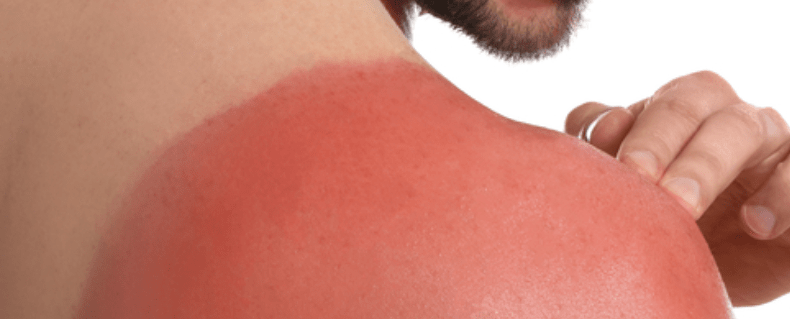
Sunburn triggers an inflammatory response in your body by trying to repair the damaged skin. This response can lead to fever, chills, and general malaise. Red, painful skin, swelling, and blistering are common signs of inflammation because of sunburn.
Sun Poisoning
In extreme cases, severe sunburn can lead to sun poisoning, which brings flu-like symptoms such as nausea, fever, chills, and headache. Alongside severe sunburn, you may experience swelling, dizziness, and dehydration.
Heat Stroke
A heat stroke occurs when the body's temperature rises to dangerous levels. It can happen if you are sunburned and continue to cycle in the heat without adequate cooling. Symptoms include high body temperature, confusion, rapid pulse, and loss of consciousness. Heat stroke requires immediate medical attention.
6 Tips to Prevent Feeling Sick After Cycling Through Sunburn
Sunburn can be more than a minor inconvenience; it can turn a pleasurable cycling experience into a health hazard. Taking preventive measures to avoid feeling sick from sunburn while cycling is essential. Here are detailed tips to help you stay safe on your rides.
Stay Hydrated
Hydration is pivotal in preventing sunburn-related sickness. When you cycle in the sun, your body sweats to regulate its temperature, causing you to lose fluids rapidly. Here’s how to stay adequately hydrated:
- Pre-Hydration: Begin hydrating well before you start your ride. Drink water or an electrolyte solution at least an hour before you set out.
- During the Ride: Carry a water bottle and take regular sips every 15-20 minutes. Consider bringing an electrolyte drink for longer rides to replenish lost minerals such as sodium, potassium, and magnesium.
- Post-Ride Rehydration: After your ride, hydrate to replace any fluids lost during cycling. Consuming drinks with electrolytes can help you recover faster and maintain your energy levels.
Use Sun Protection
Adequate sun protection is critical to prevent sunburn and its associated health risks. Here’s how you can protect your skin:
- Sunscreen: Should apply to all exposed skin, including the face, neck, arms, and legs. Don't forget your neck and ears. Reapply every two hours or more frequently if you’re sweating heavily.
- UPF-Rated Clothing: Wear high Ultraviolet Protection Factor (UPF) clothing. UPF-rated garments block out UV rays, providing superior protection to regular clothing.
- Accessories: Use a wide-brimmed hat or a cycling cap with a visor to shield your face and neck. Sunglasses with 100% UV protection are also essential to protect your eyes from harmful rays.
Take Breaks
Regular breaks are crucial to avoid overheating and allow your body to cool down. Here’s how to incorporate breaks effectively:
- Plan Your Route: Map out your cycling route to include shaded areas or rest stops where you can take a break from the sun.
- Frequency of Breaks: Take a break every 45 minutes to an hour. Use this time to hydrate, apply more sunscreen, and cool your body down.
- Cool Down: During breaks, seek shaded or cool areas. Cool, damp cloths can be used to wipe down your face, neck, and arms to help lower your body temperature.
Avoid Peak Sun Hours
Timing your cycling sessions to avoid the sun’s peak intensity can significantly reduce the risk of sunburn and heat-related illnesses. Here’s what to consider:
- Optimal Times: Aim to ride early in the morning or late in the afternoon when the sun’s rays are less intense. The hours between 10 a.m. and 4 p.m. are usually when UV radiation is at its peak.
- Weather Forecast: Check the weather forecast for UV index levels before you head out. High UV index levels show a greater risk of sunburn and cause extra precautions.
Cool Down
Cooling down after your ride is as important as staying cool during it. Here’s how to effectively cool down:
- Post-Ride Routine: After your ride, take a cool shower to relieve sun-exposed skin. Don't take hot showers if you have sunburned skin.
- Hydrate and Replenish: Continue to drink fluids, and consider a recovery drink that includes electrolytes to help your body recover.
- Cold Compresses: Wrap ice packs or cold compresses in a cloth over sunburned areas to reduce inflammation and ease pain.
Monitor Symptoms
Being vigilant about your body’s signals makes it easier to avoid serious health problems from developing. Here’s how to monitor symptoms effectively:
- Early Signs of Sunburn: Look for early signs such as redness, pain, and warm skin. If you notice these, take immediate action to cool down and apply aloe vera or a soothing lotion to the affected areas.
- Heat Exhaustion and Heat Stroke: The signs of heat exhaustion are in heavy sweating, weakness, dizziness, nausea, and headache. Heat stroke is more severe, with Loss of consciousness, confusion, and a rapid heartbeat are common symptoms. If you or a fellow cyclist show signs of heat stroke, seek medical attention immediately.
- Dehydration: Common signs include dry mouth, fatigue, dizziness, and dark-colored urine. Take more fluids if these symptoms occur and rest in a cool place.
Conclusion
Feeling sick after a sunny cycling session is more common than you might think, and sunburn is often at the heart of it. Avoid unpleasant aftereffects by staying hydrated, using proper sun protection, taking regular breaks, avoiding peak sun hours, and cooling down effectively. Remember, the key to a great ride isn’t just about pushing through; it’s about intelligent preparation and listening to your body. Stay healthy and enjoy those sunny rides without unwanted side effects.