
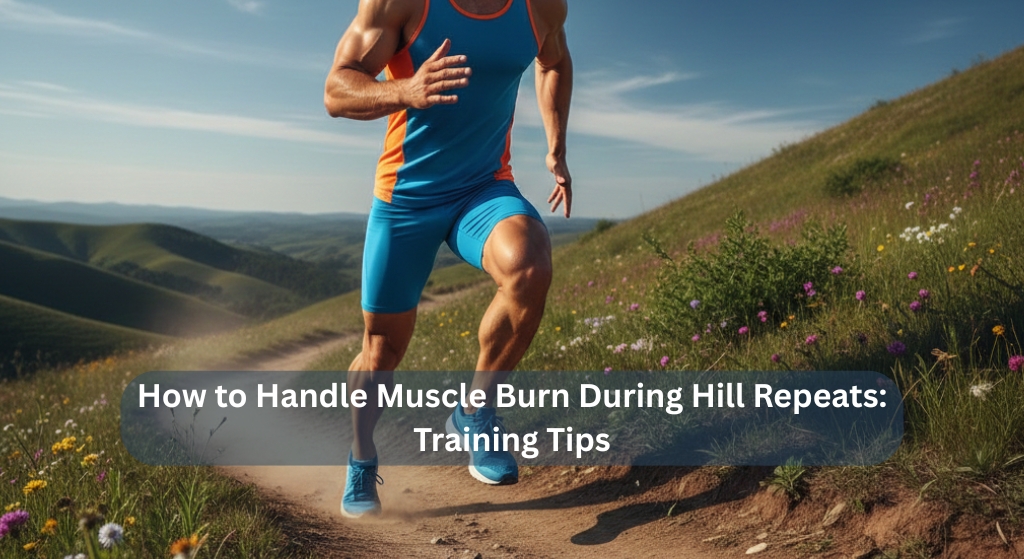
Muscle burn hits fast during hill repeats, and it can catch even strong runners off guard. The feeling is sharp, hot, and often confusing if you are not sure what causes it. Once you understand why it happens, you can manage it instead of fighting it.
Muscle burn during climbs comes from higher force demands, rising fatigue, and quick lactate buildup. These demands target your calves, quads, hamstrings, and glutes. Some burn is expected as you work uphill, but intense or growing pain is a sign that something is off in pacing, form, or recovery. With the right approach, the burn becomes manageable and even useful for building strength.
This guide walks you through the causes of muscle burn and the most effective ways to handle it during hill repeats.
How to Handle Muscle Burn During Hill Repeats: Training Tips

Hill repeats push your legs harder than flat running, which is why the burn shows up early. When you climb, your muscles must create more force with each step. This creates a strong, warm pressure that builds as the hill steepens.
The muscles that usually feel this most are the quads, calves, glutes, and hamstrings.
Normal burn feels warm and steady. Excessive burn feels sharp, sudden, or keeps getting worse even when you recover. Knowing the difference helps you train safely.
Understanding the Cause of Muscle Burn
Muscle burn often comes from lactate buildup and rising fatigue. When you climb, your legs use energy faster than your body can clear these byproducts.
Uphill gradients also demand more force per step. If you push too hard at the start, the burn sets in early. A short or rushed warm-up can make your legs feel heavy right away.
These factors mix together, which is why the burn can come on quickly even if you feel rested.
Techniques to Manage Muscle Burn During Repeats
A few small adjustments help control the burn before it becomes overwhelming. Start each interval with relaxed pacing so your body settles into the effort.
You can also change how you move to ease strain on your muscles.
Try these tips:
- Shorten your stride or lift your cadence to reduce impact.
- Lean slightly forward from the hips to keep power moving uphill.
- Stay smooth and steady instead of surging.
- Focus on effort, not speed, especially in early reps
These choices keep the burn manageable and help you finish the session strong.
Breathing Strategies to Reduce Burn
Your breath plays a bigger role in muscle burn than most runners realize. Steady, rhythmic breathing helps your body deliver more oxygen to working muscles.
Shallow breathing limits oxygen and makes the burn build faster.
Use deeper, fuller breaths to slow fatigue. This helps your legs clear tension and stay relaxed as the climb gets tougher.
Mental Approaches to Handle Burn
The right mindset helps you stay calm as the burn rises. Before you start each hill, break it into smaller parts so the climb feels more manageable.
As you run, shift your focus to form instead of the discomfort.
Helpful cues include:
- Relax the shoulders
- Light feet
- Drive the knees smoothly
- Stay tall and steady
These small mental shifts help you stay relaxed and in control.
Recovery Between Repeats
Recovery between intervals keeps the burn from building too fast. Gentle walking or slow jogging lets your legs clear tension without cooling down completely.
Your recovery time should match the effort. Harder hills need longer rest, while short, moderate climbs can use shorter breaks.
Aim for recovery that leaves you ready for the next rep without feeling stiff or rushed.
Post-Session Methods to Reduce Lingering Muscle Burn

After the workout, your goal is to help your legs settle down. Light stretching and mobility work ease tight spots.
An easy cooldown walk, spin, or jog keeps blood moving through tired muscles.
A few simple habits help even more:
- Hydrate well, especially with electrolytes.
- Eat something light with carbs and protein.
- Move gently for the rest of the day to avoid stiffness.
These steps help your legs recover for your next training day.
When Muscle Burn Signals a Problem
Sometimes the burn is a warning sign. Sharp or sudden pain means you should stop right away. If the burn gets worse instead of improving during rest, your body may be too fatigued. Other signs include heavy legs, low energy, or trouble keeping form, which can point to overtraining. Stopping early is the smart choice when something feels wrong.