
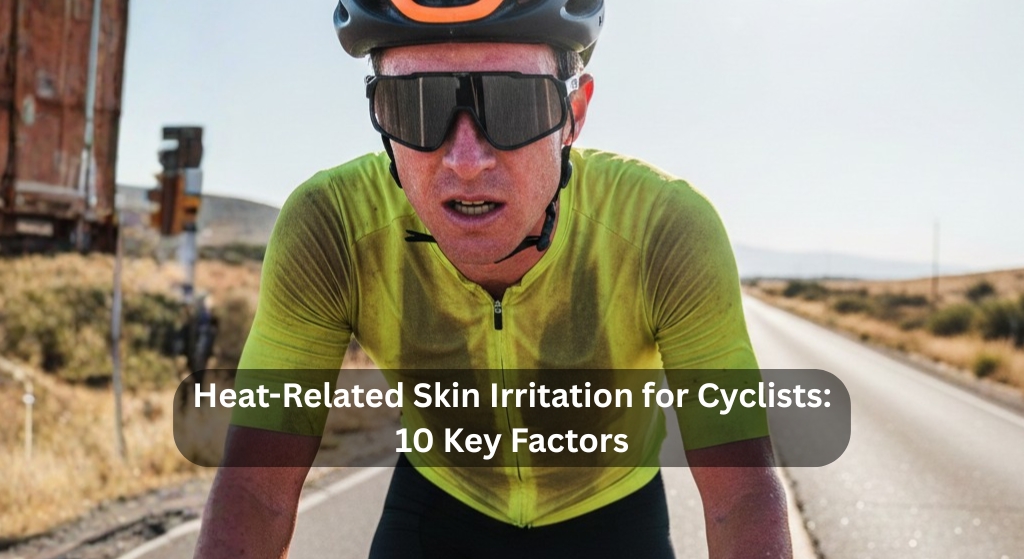
Riding in hot weather can feel great until your skin starts to sting, burn, or rub raw. Many cyclists deal with irritation during warm months, and it can turn a good ride into a miserable one fast. The mix of heat, sweat, and constant movement challenges even seasoned riders.
Heat-related skin irritation happens when sweat, friction, and pressure build up in areas where the skin is already working hard. These reactions can show up as chafing, rashes, redness, or tender spots. Once the skin breaks down, it becomes easier to irritate and harder to heal, which is why early care matters.
In this guide, you’ll learn why heat makes irritation worse, how to spot early signs, and the best ways to prevent and treat it.
Heat-Related Skin Irritation for Cyclists: 10 Key Factors
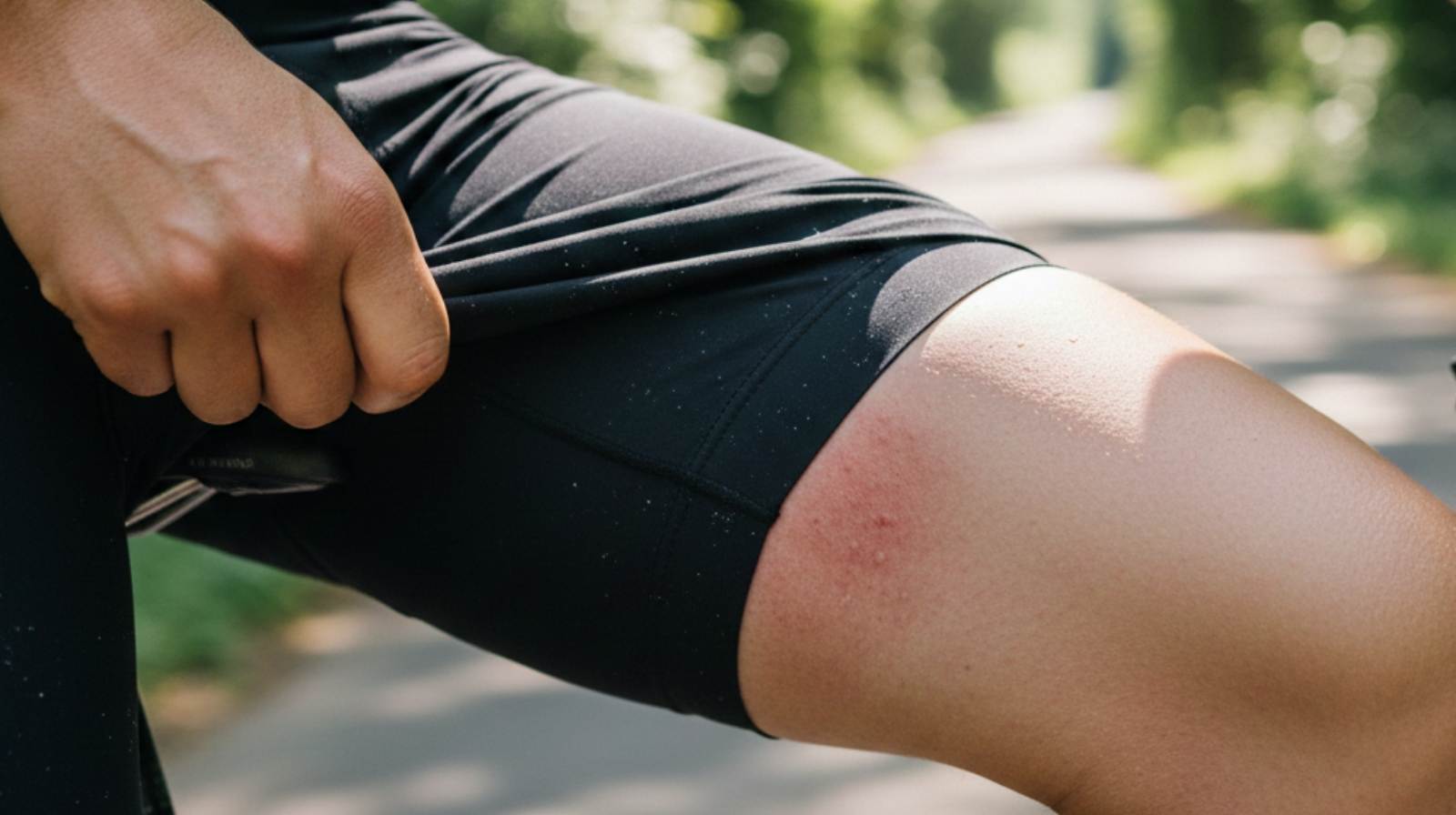
Hot weather pushes your skin to work overtime, which makes irritation more likely during long or intense rides. The mix of heat and constant movement adds stress to areas that already take a lot of pressure.
Cyclists often feel irritation in the inner thighs, groin, underarms, lower back, and anywhere straps or clothing sit tight. These areas trap sweat and heat, which weakens the skin over time. It helps to know the difference between simple heat discomfort and true irritation. Discomfort fades with cooling, while irritation lingers, burns, or forms bumps.
How Heat Triggers Skin Irritation
When it’s hot, sweat builds up faster than it can dry. That moisture creates friction that wears the skin down.
Heat also causes pores to clog more easily, trapping sweat under the surface. As the salt from sweat becomes more concentrated, it can sting and aggravate sensitive spots. These combined effects make the skin more reactive during summer rides.
Types of Heat-Related Skin Irritation in Cyclists
Hot rides can trigger several kinds of irritation, each with its own pattern. Knowing what you’re dealing with helps you treat it sooner.
Common forms include:
- Chafing from repeated movement in areas like the thighs and groin
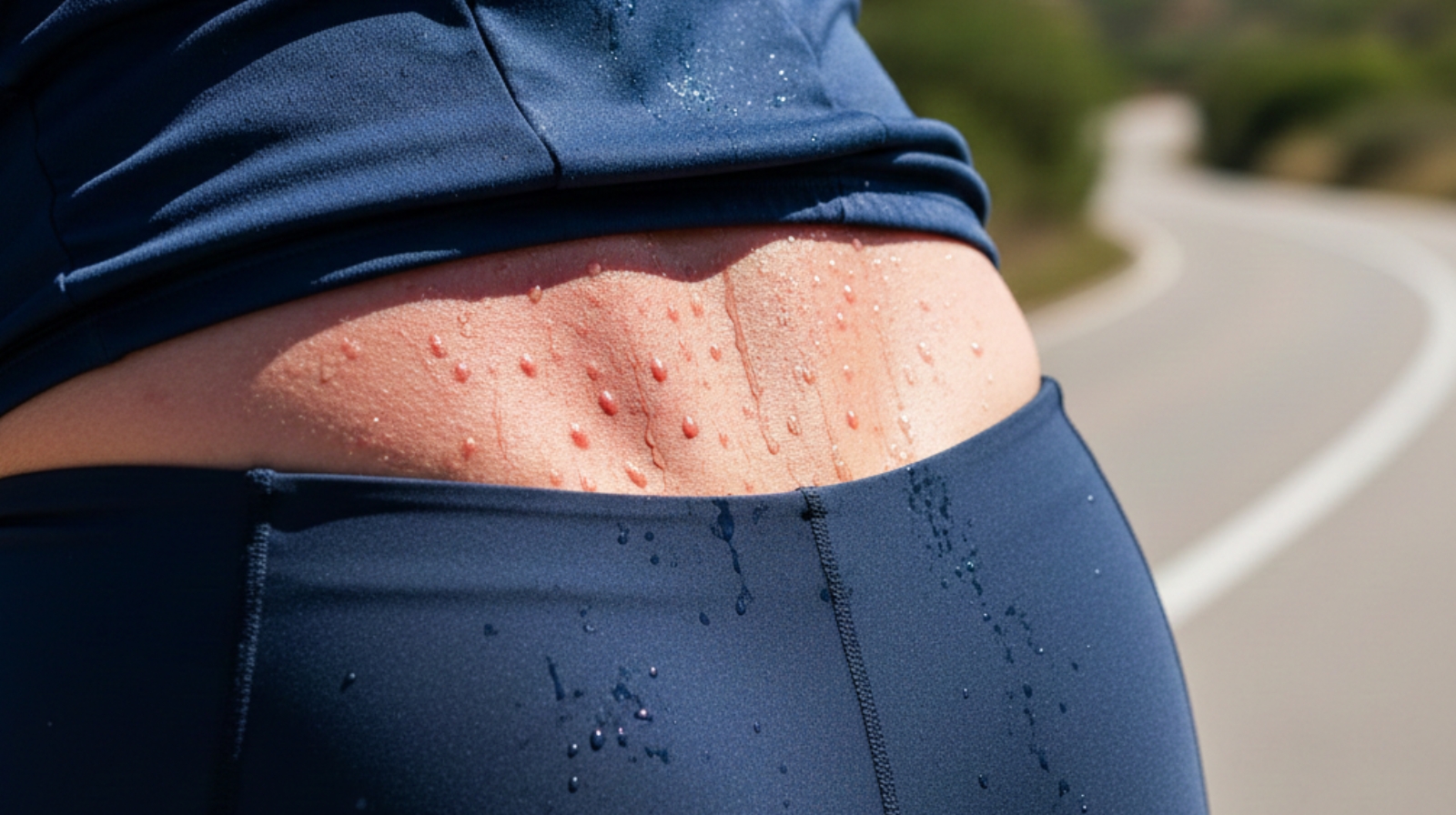
- Heat rash when sweat ducts get blocked
- Saddle-area irritation from pressure, heat, and moisture
- Helmet and strap irritation along the face, chin, and neck
High-Risk Contact Areas
Some parts of the body are more likely to flare up because they hold sweat or experience constant rubbing.
These high-risk spots include:
- Inner thighs and groin
- Underarms and chest
- Lower back where sweat collects
- Under helmet straps and backpack straps
How Sweat and Salt Worsen Irritation
Sweat is meant to cool the body, but on long rides it can work against you. When sweat mixes with friction, the skin can become raw or inflamed.
Salt crystals that dry on the skin create tiny abrasive points that rub with every pedal stroke. Dehydration thickens sweat and raises its salt level, which makes irritation even more likely.
Gear-Related Causes
Your equipment plays a huge role in how your skin handles heat. Even small gear issues can turn into big problems on warm days.
Trouble often comes from:
- Non-breathable fabrics that trap heat
- Shorts or jerseys that don’t fit well
- Worn-out chamois that fail to protect
- Straps tightened too much, leading to pressure points
Immediate Steps When Irritation Starts
If you feel a hot spot forming during a ride, act quickly to keep it from getting worse. A small adjustment can prevent a painful flare-up.
Helpful steps include:
- Reducing friction by adjusting clothing or posture
- Cleaning and cooling the area if possible
- Avoiding further rubbing by easing effort or shifting position
Post-Ride Care for Irritated Skin
After the ride, give your skin a chance to recover. Proper care can calm irritation and stop minor issues from turning into bigger problems.
Good habits include:
- Washing sweat and salt off right away
- Using gentle cooling products
- Keeping the area dry until healed
- Avoiding tight clothing until irritation fades
When Heat-Related Irritation Signals a Problem
Most irritation clears up with rest and care, but sometimes it can point to something more serious. Pay attention to signs that the skin needs medical attention.
Watch for:
- Signs of infection like warmth, swelling, or pus
- Severe rash or blisters
- Irritation that doesn’t improve after a couple of days
- Pain that gets worse instead of better
Conclusion
Hot weather makes irritation more common, but understanding the causes helps you stay ahead of it. Early detection, quick adjustments, and smart post-ride care can keep your skin healthy and your rides enjoyable. With the right habits, you can handle the heat and keep riding strong all summer.