
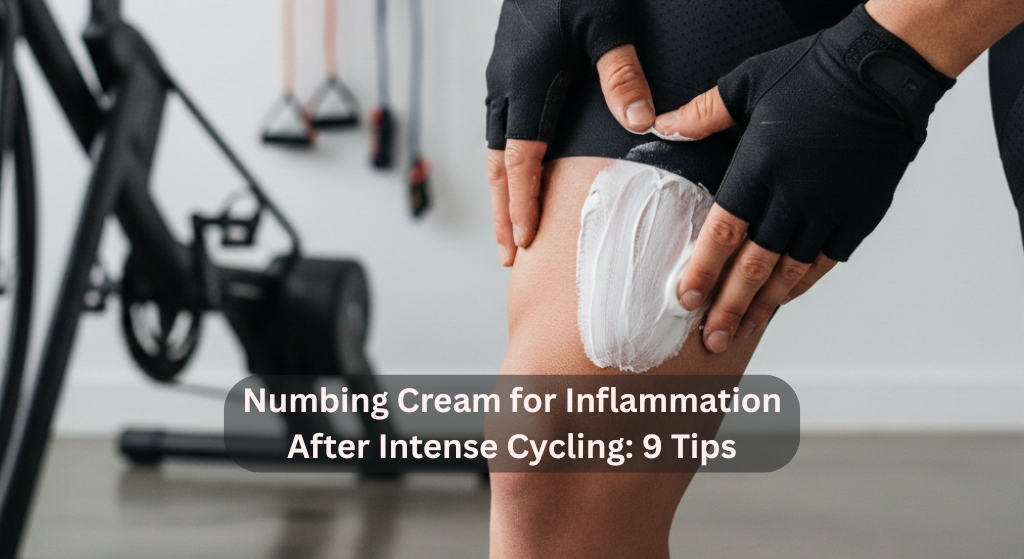
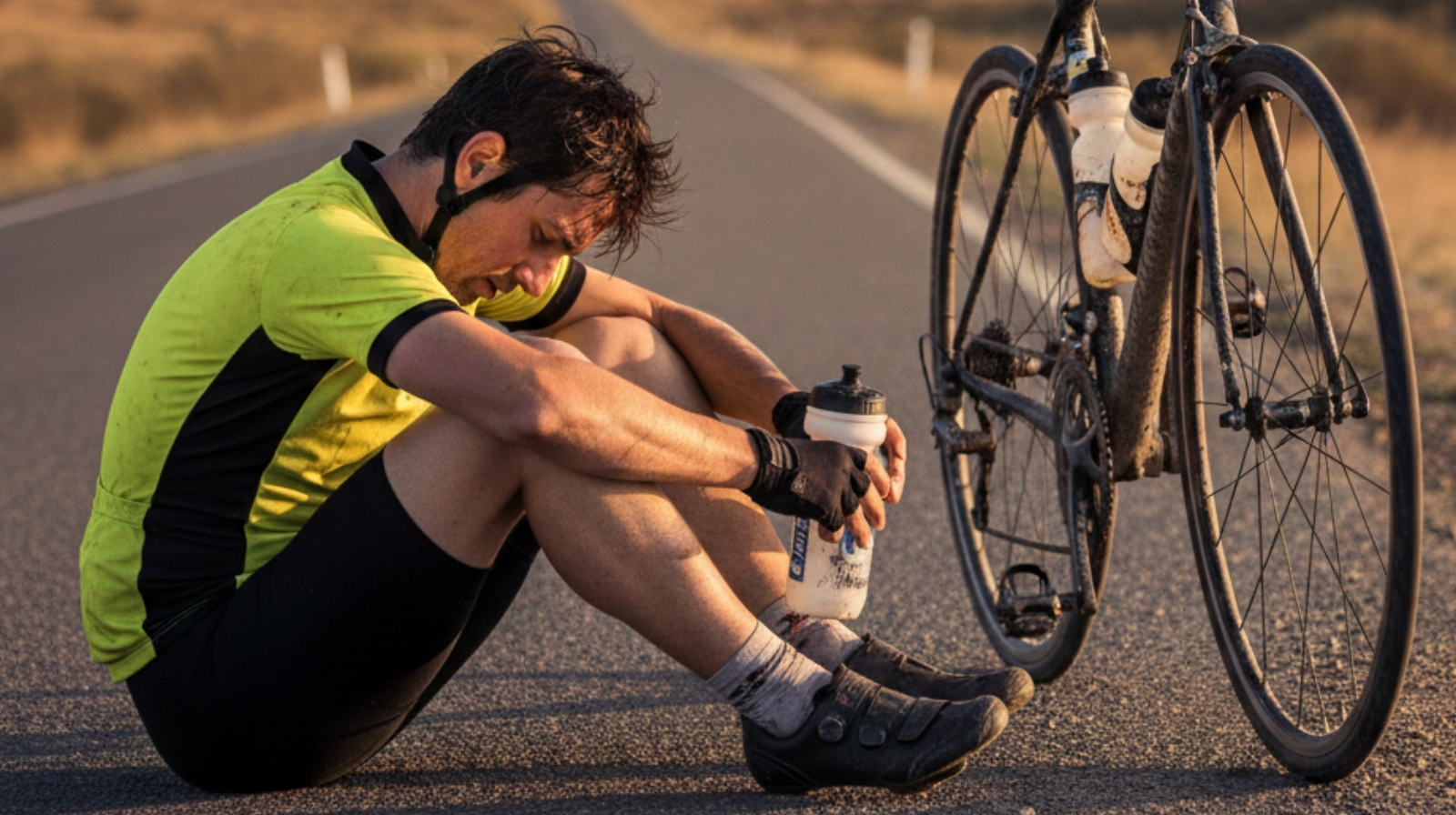
Intense rides feel great until the soreness hits. Muscles tighten, joints ache, and sometimes the skin in the saddle area feels raw. Many cyclists look for quick relief and wonder if numbing cream can help calm the burn.
Numbing cream can reduce pain after hard cycling sessions, but it only works on sensation. It cannot treat the inflammation underneath.
When used the right way, it can be a short-term tool that helps you stay comfortable while you recover, but it should sit inside a larger plan that protects your long-term health, performance, and training goals.
This guide walks you through how numbing creams work, when they help, their limits, and the safest way to use them as part of a full recovery strategy.
Numbing Cream for Inflammation After Intense Cycling: 9 Tips
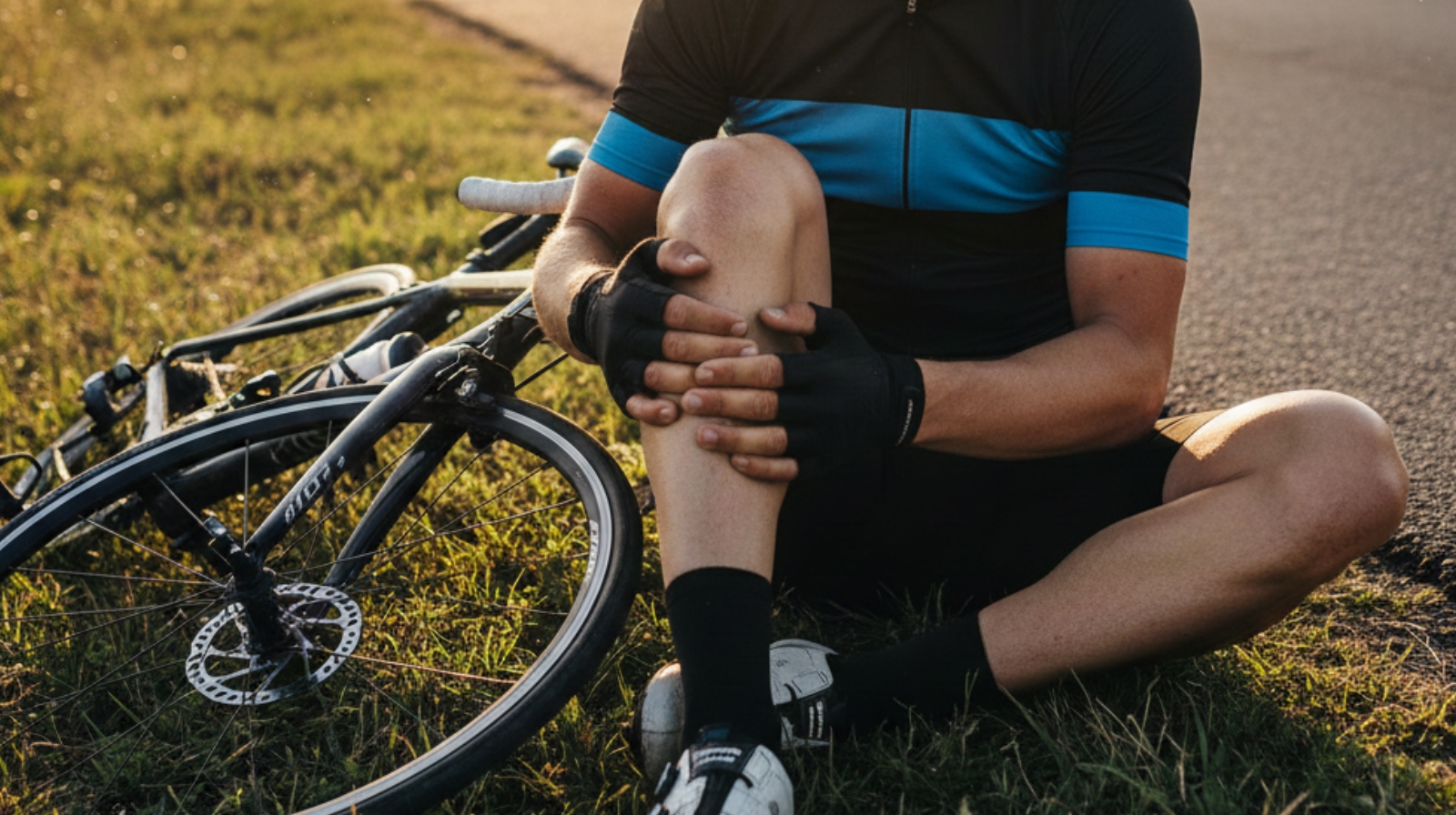
Cyclists often deal with muscle and joint soreness after tough rides. Hard climbing, long races, or back-to-back training days can overload tissues. This stress leads to microtrauma in muscles, joints, and soft tissue.
Common issues include:
- Muscle overload after long or intense sessions
- Joint strain from repeated motion
- Skin irritation from pressure and friction
- Perineal soreness from time in the saddle
If inflammation is ignored, it can slow training and raise injury risk.
Why Some Cyclists Consider Numbing Cream
Numbing creams rely on topical anesthetics that lower pain by blocking nerve signals near the skin.
Cyclists often reach for them to manage:
- Localized pain after long or intense rides
- Sensitive soft-tissue spots like the knees or lower back
- Short-term discomfort that interrupts normal daily activity
They help with sensation, but they do not calm inflammation itself.
When Numbing Cream Might Help
Soreness after intense cycling usually feels sharp or focused, which makes numbing cream appealing.
It may help when:
- Pain is small and targeted
- The discomfort is near the skin
- You need relief during recovery, not before another hard ride
Avoid using numbing cream to mask pain during training.
Types of Topical Products for Cyclists
Cyclists have several topical options, each with a different purpose.
- Topical anesthetic creams with lidocaine or benzocaine
- Topical NSAID gels or patches like diclofenac for inflammation
- Combined or compounded creams guided by a clinician
Common Cycling Scenarios
Different riding conditions create different pain patterns.
Cyclists often experience:
- Thigh and calf soreness after intense climbing
- Knee irritation from high torque or poor fit
- Lower back or neck tightness from long hours in position
- Under-saddle friction that may lead to chafing or early saddle sores
Use caution when applying numbing cream in the saddle region.
Benefits of Using Numbing Cream
Numbing creams can help riders feel more comfortable right after a tough ride.
Key benefits include:
- Fast surface-level relief
- Lower reliance on oral pain medication
- Targeted action without affecting the whole body
Limits and Risks to Consider
Numbing creams only help with sensation. They do not fix tissue irritation.
Risks to keep in mind:
- Masking deeper pain that signals injury
- Overuse during training instead of proper rest
- Possible skin reactions or irritation
- Unsafe use on broken or sensitive skin
NSAIDs vs Anesthetics in Recovery
Both play a role in cycling recovery, but they work differently.
- Topical NSAIDs help with pain and inflammation
- Anesthetic creams help with surface pain only
- Best results come when products are paired with smart training choices
How Cyclists Should Apply These Products
Apply numbing or anti-inflammatory products after the ride, never before testing them.
Best practices include:
- Clean and dry the skin first
- Use a thin, even layer only on the painful area
- Avoid sensitive regions, including mucous membranes
- Do not apply before long rides where pain signals matter
Safe Dosage and Use
The over-the-counter products list clear limits. Follow them closely.
Safety tips include:
- Do not exceed daily applications
- Avoid covering large surface areas
- Stop use if irritation appears
- Talk to a clinician if you have heart or liver conditions, are pregnant, or take certain medications
Why Saddle-Area Numbing Is Controversial
The saddle area is a sensitive region where numbing cream may do more harm than good.
Concerns include:
- Masking serious saddle sores
- Missing signs of infection or pressure injuries
- Allowing nerve compression to progress
- Hiding discomfort that signals bike fit problems
Most experts prefer chamois creams for saddle comfort.
Making Numbing Cream Part of a Bigger Recovery Plan
A full recovery routine uses several approaches, not one product. Smart recovery can include:
- Rest and reduced load after tough sessions
- Ice or heat, depending on the tissue involved
- Stretching and mobility work
- Strength training to support weak areas
- Bike fit assessments for long-term comfort
Numbing cream is a supplement, not a solution.
When to Stop Using Numbing Cream
It’s important to listen to your body. Stop immediately if you notice:
- Worsening pain or swelling
- Heat, redness, or spreading irritation
- Fever or general illness
- Numbness or tingling that doesn’t fade
These issues need medical attention.
When Professional Care Matters
A trained clinician can help you understand what your body is telling you.
Professionals can assist by:
- Identifying overuse injuries early
- Separating normal soreness from real damage
- Recommending the right topical products
- Adjusting your training and bike fit
How This Site Supports Your Recovery
We offer cyclist-focused guidance and products that help you manage post-ride inflammation safely.
Our services provide:
- Targeted product recommendations for cycling needs
- Clear usage plans for numbing and anti-inflammatory care
- Recovery programs that pair topical care with training support
- Access to specialists who understand cycling demands
You can book an assessment, purchase recommended products, or join a recovery plan built specifically for riders.
Conclusion
Numbing cream can help reduce discomfort after intense cycling, but it only affects sensation, not inflammation. When paired with smart training habits and good recovery practices, it can support healing and help you ride pain-free in the long run.