
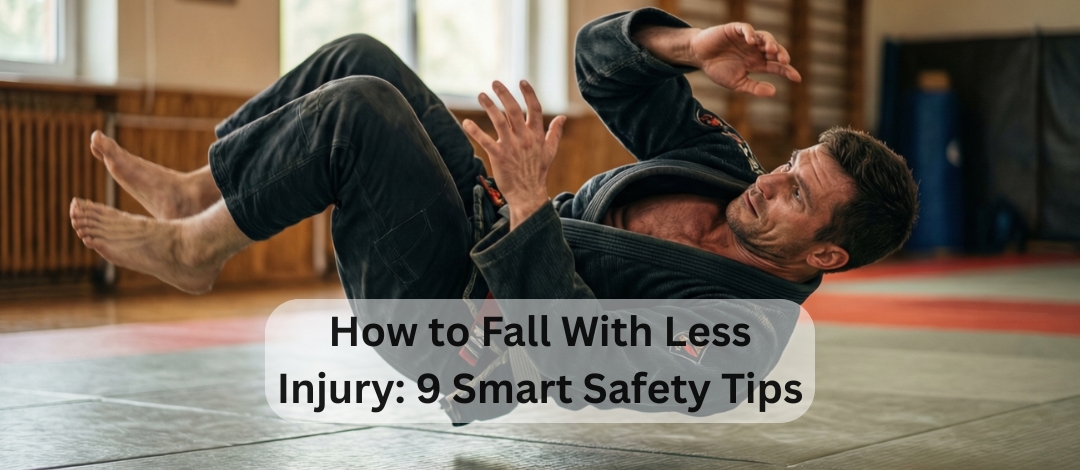
Falling happens fast. One moment you are steady, and the next you are on the ground, wondering what went wrong. Whether you ride often, walk on uneven paths, or simply move through busy streets, a fall can happen to anyone.
Reducing injury during a fall comes down to preparation and body awareness. When you train yourself to stay relaxed, protect sensitive areas like the head and neck, and spread the force across stronger muscles, you give your body a safer path to absorb impact.
Small movements such as bending your joints, tucking your chin, and rolling with the motion help lower stress on bones and prevent harsh landings. These are practical skills that anyone can learn, regardless of age or activity level.
In this guide, you will learn how to prepare your body, react safely during a fall, and recover the right way afterward.
How to Fall With Less Injury: 10 Smart Safety Tips

Falls injure the body mainly because of sudden impact. When the body hits a hard surface without preparation, the force travels through bones and joints instead of being absorbed by muscles.
Common injury patterns often come from uncontrolled landings. People tend to stiffen up, which increases the shock on contact.
Key reasons falls lead to injury include:
- High impact force that the body cannot distribute properly
- Direct hits to joints such as wrists, knees, or hips
- Poor body positioning that concentrates pressure in one area
- Lack of reaction time to adjust before hitting the ground
Learning safe falling techniques matters because the body can be trained to respond better. With practice, safer movement becomes automatic.
Staying Aware Before a Fall Happens
Most falls begin with a small loss of balance. Catching that moment early gives you precious time to react.
Your reaction speed directly affects injury severity. Even a split second allows you to bend your knees, turn your body, or prepare for a roll.
Focus on these habits:
- Watch for unstable surfaces such as gravel, wet roads, or loose dirt
- Keep your weight centered instead of leaning too far forward or back
- Stay mentally alert when riding or walking in crowded areas
- Lower your center of gravity if you feel yourself tipping
Good body positioning before impact can turn a dangerous fall into a manageable one.
Protecting the Head and Neck During a Fall
Head and neck injuries are often the most serious because they can affect the brain and spine. Protecting these areas should always be your top priority.
A simple movement like tucking your chin can prevent the head from snapping backward.
Remember these protective actions:
- Tuck your chin toward your chest as you fall
- Keep your neck aligned with your spine
- Avoid looking backward during a fall
- Let your shoulders absorb force instead of your head
These small adjustments greatly lower the risk of severe trauma.
Learning to Bend and Relax the Body
Your natural instinct may be to tense up, but stiff muscles increase the shock your body absorbs.
Relaxed joints act like springs. They help spread the force instead of letting it strike one fragile point.
Practice these responses:
- Bend your knees and elbows as you go down
- Stay loose rather than rigid
- Let large muscles take the impact, especially thighs and shoulders
- Exhale during the fall to avoid locking your torso
Flexibility during impact often means fewer injuries afterward.
Rolling Instead of Bracing on Impact
Many people throw their hands out to stop a fall. Unfortunately, this often leads to wrist fractures or elbow injuries.
Rolling shifts the force across a wider area, making the landing less harsh.
Safer rolling basics include:
- Turn slightly to one side instead of landing flat
- Aim to roll from the shoulder to the opposite hip
- Keep arms close rather than locked
- Use momentum to continue the movement
It may feel unnatural at first, but rolling is one of the most effective ways to reduce injury.
Avoiding Common Mistakes That Increase Injury
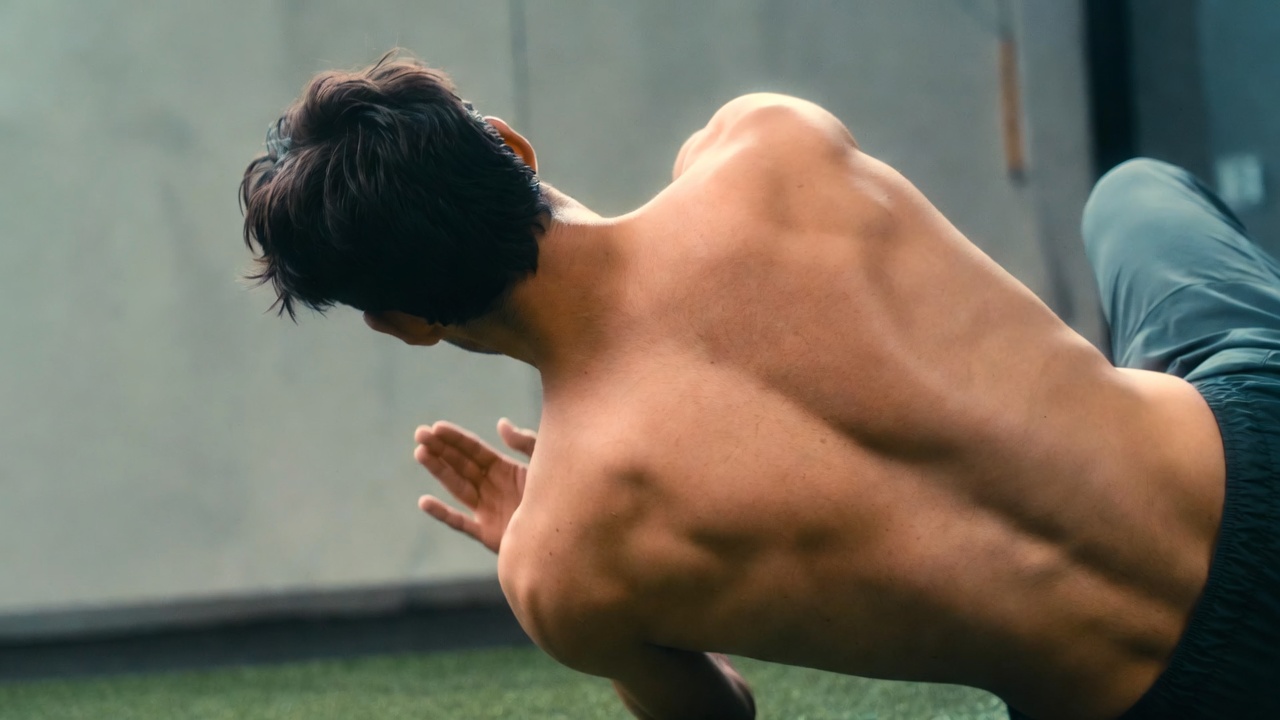
Certain reactions almost guarantee more pain after a fall. The good news is they are easy to correct once you recognize them.
Watch out for these mistakes:
- Locking your elbows or knees
- Twisting mid-air, which stresses the spine
- Reaching backward with your hands
- Trying to stop the fall abruptly
Think of a fall as a movement you guide, not something you fight.
Falling Forward, Backward, and Sideways Safely
Falls rarely happen the same way twice. Knowing how to adjust your body based on direction improves your chances of walking away safely.
When falling forward:
- Turn your face to the side
- Bend your arms, avoiding straight wrists
- Let your forearms and shoulders absorb contact
During a backward fall:
- Tuck your chin immediately
- Avoid planting your hands behind you
- Try to land on your upper back and roll
For sideways falls:
- Protect your hips by bending your knees
- Keep your arm close to your body
- Let your shoulder take the impact instead of the hip bone
Directional awareness makes every fall less damaging.
Getting Up Safely After a Fall
The fall is not always the end of the risk. Moving too quickly afterward can cause a second injury.
Pause and assess how you feel before standing.
Follow this approach:
- Check for sharp pain or dizziness
- Roll onto your side before getting up
- Push yourself up slowly
- Seek medical care if pain persists, you hit your head, or feel disoriented
A calm recovery is just as important as a safe landing.
Practicing Fall Awareness and Body Control
Safer falling is a learned physical skill. Practice helps your body react correctly without conscious thought.
You do not need intense training. Simple, controlled movements build confidence over time.
Helpful ways to practice include:
- Gentle balance exercises to improve stability
- Slow, controlled squats to learn joint bending
- Practicing soft rolls on padded surfaces
- Strength training for better muscle support
With repetition, your instincts become safer.
Key Takeaways for Reducing Injury From Falls
Remembering a few core principles can make a huge difference when a fall happens.
Keep these ideas in mind:
- Protect your head first
- Stay relaxed and bend your joints
- Roll instead of bracing
- Avoid locking your limbs
- Practice awareness daily
Small adjustments during a fall often separate minor soreness from serious injury. Treat fall safety as a skill worth developing.
Conclusion
No one plans to fall, but being physically prepared can greatly reduce the damage when it happens. Staying alert, keeping your body flexible, and responding with controlled movement allows you to handle sudden loss of balance with greater safety. Treat these techniques as skills worth practicing, because the confidence and protection they provide can support you in everyday life as well as more active moments.