
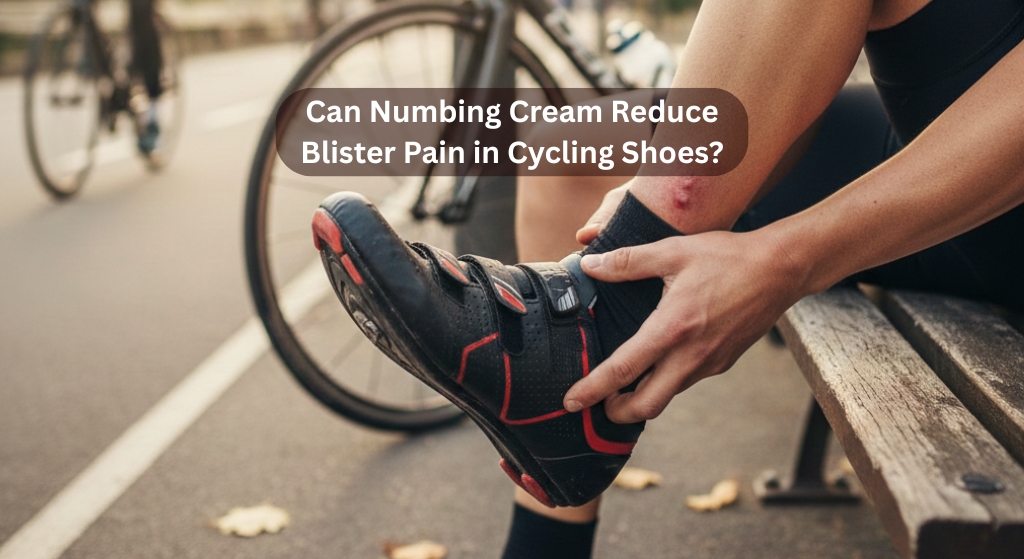
Blisters can turn a good ride into a rough one fast. When your shoes rub in the wrong spot, even a short route can start to feel twice as long. It’s no surprise that many riders look for quick ways to ease the sting.
Numbing cream can help in some situations, but it isn’t a perfect solution. It dulls nerve signals for a short time, which can take the edge off blister pain. The trouble is it won’t fix the friction that caused the blister, so relief is limited and temporary.
For some cyclists, it’s a handy backup, but it’s not something to rely on for prevention or long rides
This guide explains how blister pain develops, how numbing cream works, when it might help, when it doesn’t, and safer alternatives you can trust.
Can Numbing Cream Reduce Blister Pain in Cycling Shoes?
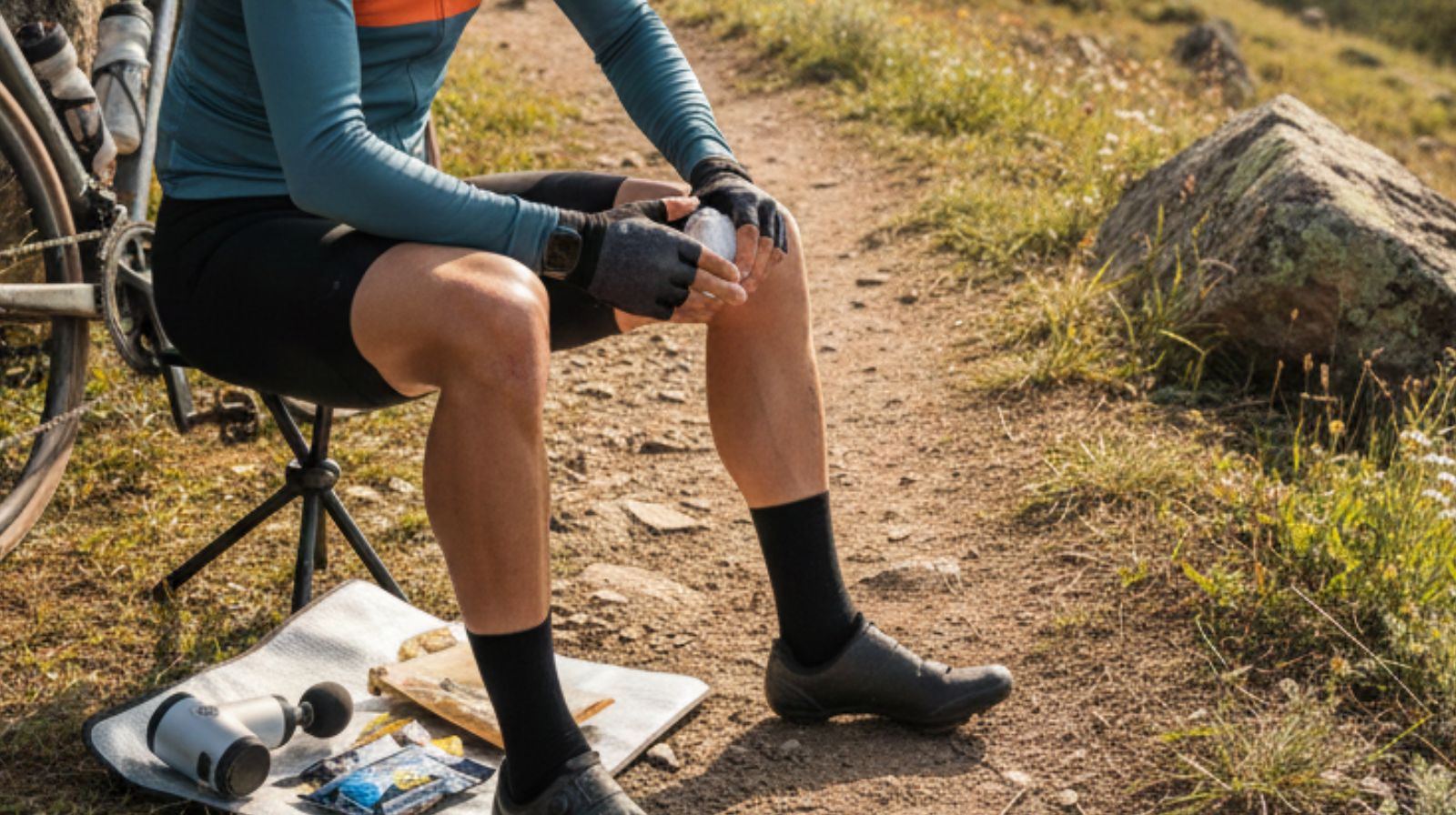
Blisters usually come from a mix of rubbing, pressure, and heat. Even small changes in your shoe setup can create trouble. A few common triggers include:
- Friction spots inside the shoe
- Pressure points from a tight or uneven fit
- Heat and moisture that soften the skin during long rides
These factors break down the top layers of skin, which is why blisters feel tender every time the shoe contacts them.
How Numbing Cream Works
Numbing cream reduces sensation by calming the nerves in the area. Most products use ingredients that gently dull the pain signals for a limited time. The effect doesn’t last long, but it can make a blister feel less sharp or sore while you ride.
Can Numbing Cream Reduce Blister Pain?
Numbing cream can take the edge off a blister once it’s already there. Some cyclists use it to get through a ride or event when stopping isn’t an option. But the relief only covers the pain. It doesn’t stop the friction, so the blister can still worsen even if you don’t feel it.
When Numbing Cream Might Be Useful
Sometimes riders need a short break from pain so they can finish a ride or race. In those cases, numbing cream can help. It can also be useful when:
- You have a minor blister that isn’t limiting movement
- You need temporary comfort for a single ride
- You don’t have access to other blister care options
It works best as a backup tool, not a main fix.
Risks and Considerations
It’s important to be cautious with numbing cream inside a warm, enclosed shoe. Heat and moisture can irritate the skin. Other things to keep in mind include:
- Pain masking can lead to bigger blisters because you don’t feel the damage
- It won’t prevent blister formation
- Open or broken skin may react badly to the cream
If you notice redness, burning, or worsening pain, you should stop using it.
Safer and More Effective Alternatives
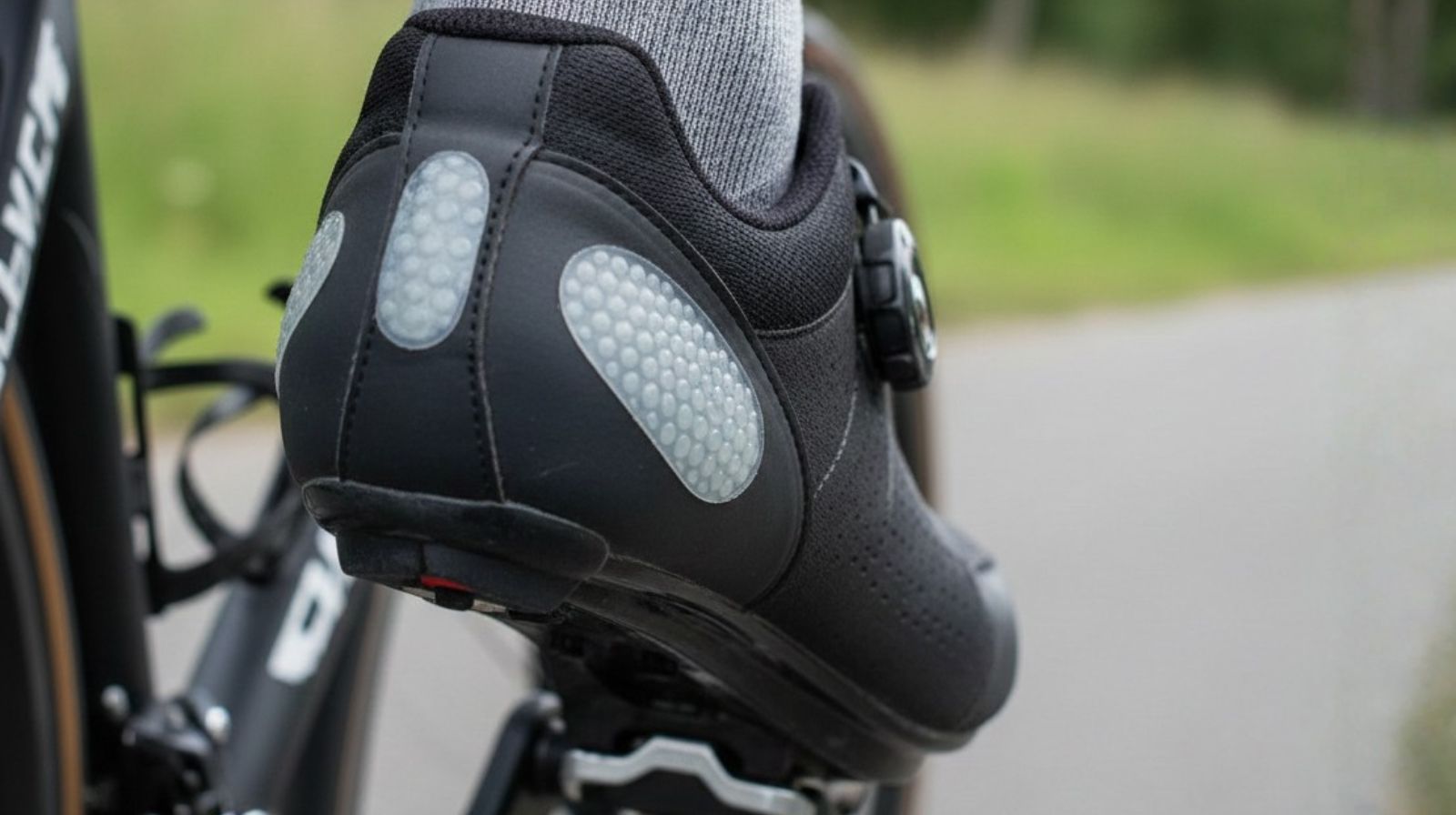
Most of the time, addressing the cause of the problem works better than dulling the pain. Many riders find consistent relief by trying:
- Adjusting shoe fit or repositioning the insole
- Using blister pads or hydrocolloid bandages
- Applying lubricants to cut down friction
- Wearing cycling socks that handle moisture well
These options reduce rubbing at the source, which makes them more reliable for training and long rides.
Conclusion
Numbing cream can ease blister pain for a short time, but it isn’t a long-term solution. It doesn’t stop the friction that caused the problem, so it shouldn’t replace proper shoe fit or protective gear. Fixing the root cause is the best way to stay comfortable and keep riding without setbacks.