

Nerve flares can catch you off guard. They can feel sharp, electric, or simply overwhelming, and many people look for fast ways to quiet the discomfort. One of the first options people try is a numbing cream.
Numbing creams can reduce nerve flares in certain situations. They can calm irritated nerve endings, lower the intensity of sudden spikes, and make sensitive skin zones easier to tolerate.
Their effect is temporary and depends on how deep and widespread the nerve problem is. They work best for localized neuropathic pain, where research shows topical anesthetics can soften ongoing pain and ease allodynia for several hours.
This guide walks you through how these creams work, what the research says, their limits, and when to consider broader care.
Can Numbing Cream Reduce Nerve Flares? 7 Factors Explained

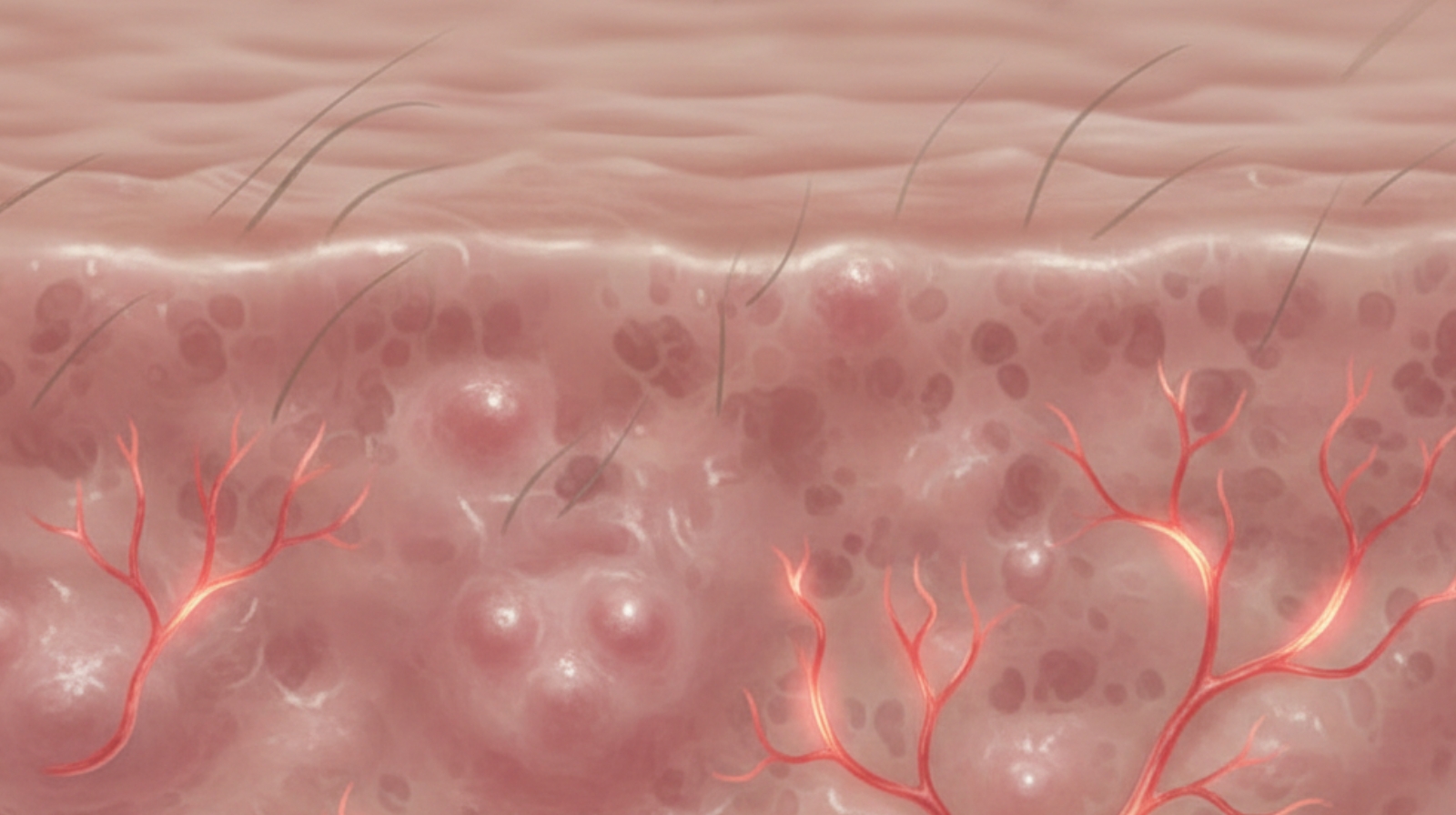
Many people reach for numbing cream because it acts quickly on the surface layers of the skin. These products can calm irritated nerve endings long enough to take the edge off a flare. The main way they work is by blocking sodium channels in peripheral nerves, which slows abnormal pain signals before they reach the brain.
Common benefits include:
- Short-term relief for sharp, burning, or tingling flares
- Less sensitivity in irritated skin areas
- Reduced allodynia, especially when touch or clothing triggers pain
- Localized targeting, which avoids whole-body side effects
Lidocaine is the most studied ingredient. When applied to areas of superficial neuropathic pain, it can lower flare intensity for several hours while the medicine stays active.
What Clinical Evidence Shows
Research on topical lidocaine and similar agents offers helpful insight. Studies in adults with localized neuropathic pain report higher rates of meaningful pain reduction compared with placebo. The relief often lasts a few hours after the cream or patch is removed, which suggests a stabilizing effect on overactive nerves.
Experts often recommend 5 percent lidocaine patches as a first option for specific neuropathic problems like:
- Postherpetic neuralgia
- Focal peripheral neuropathies
- Localized areas of skin that react strongly to light touch
In tougher cases, combination formulations such as ketamine, gabapentin, imipramine, and bupivacaine have shown multi-hour relief by targeting several pain pathways at once. These are typically used under medical supervision for patients who have not responded to standard therapies.
Limits of Numbing Creams for Nerve Flares
Numbing creams are helpful, but they are not a full solution. They work best when the pain is near the skin surface and confined to a small area. When flares originate deeper in the tissues, follow broader nerve pathways, or involve central nervous system changes, topicals alone usually are not enough.
Important limits to keep in mind:
- Short duration: Most creams last only a few hours
- Superficial action: They do not reach deeper or widespread nerve problems
- Condition-specific: Not all flare mechanisms respond to sodium channel blockers
- Not a cure: They do not repair the nerve or stop long-term progression
Some experimental pain models also show that lidocaine does not reduce every type of flare response, which is why results vary from person to person.
When Numbing Creams Fit Into a Care Plan
Even with their limits, numbing creams can be a simple and practical part of nerve flare management. They are especially useful when you want quick, targeted relief without systemic medication.
They fit well in situations like:
- Sudden spikes in a specific pain spot
- Clothing intolerance or sensitivity in small areas
- Times when you need temporary comfort during activity
- Early steps in managing new or mild neuropathic symptoms
For ongoing or severe flares, a structured evaluation is important. Most people benefit from a plan that combines topicals with other treatments such as lifestyle adjustments, physical therapies, or systemic medications. This approach aims to reduce flare frequency, protect nerve health, and explore the root cause instead of masking symptoms.
Conclusion
Numbing creams can reduce nerve flares when the pain is localized and close to the surface. They offer short term relief, help calm oversensitive skin, and can make daily activity more manageable. They are not a cure and work best as part of a broader strategy that addresses the underlying nerve issue.