
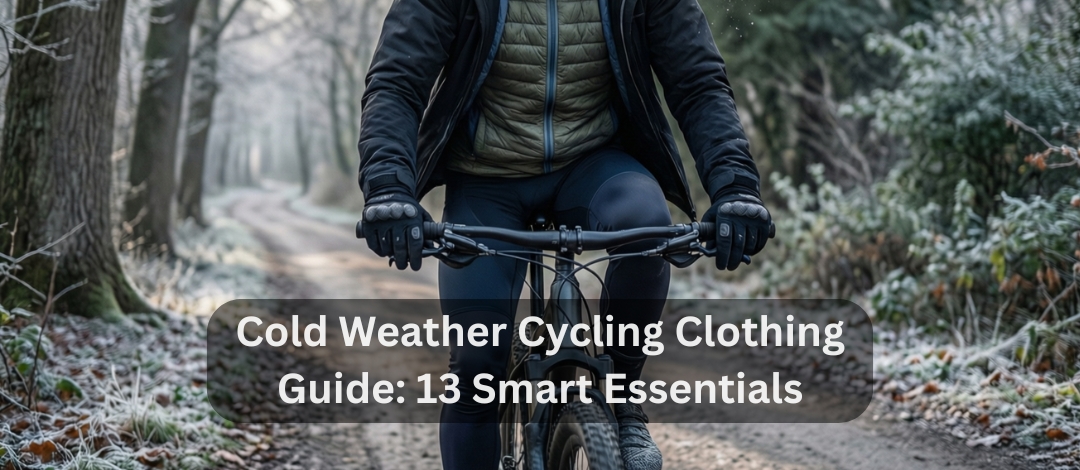
Cold rides can feel brutal when the wrong clothing turns a fun spin into a battle against numb fingers and stiff legs. Many cyclists quit early in winter, not because of fitness, but because they feel uncomfortable and exposed.
Dress for cold-weather cycling by using layers, not heavy single pieces. Start with a moisture-wicking base layer, add insulation for warmth, and finish with a wind- and water-resistant outer layer. Protect extremities like hands, feet, head, and neck first since they lose heat fastest. Adjust layers based on effort, wind, and moisture to stay warm without overheating.
This guide explains how cold weather affects your ride and how to choose smart cycling clothing that keeps you comfortable from head to toe.
Cold Weather Cycling Clothing Guide: 13 Smart Essentials
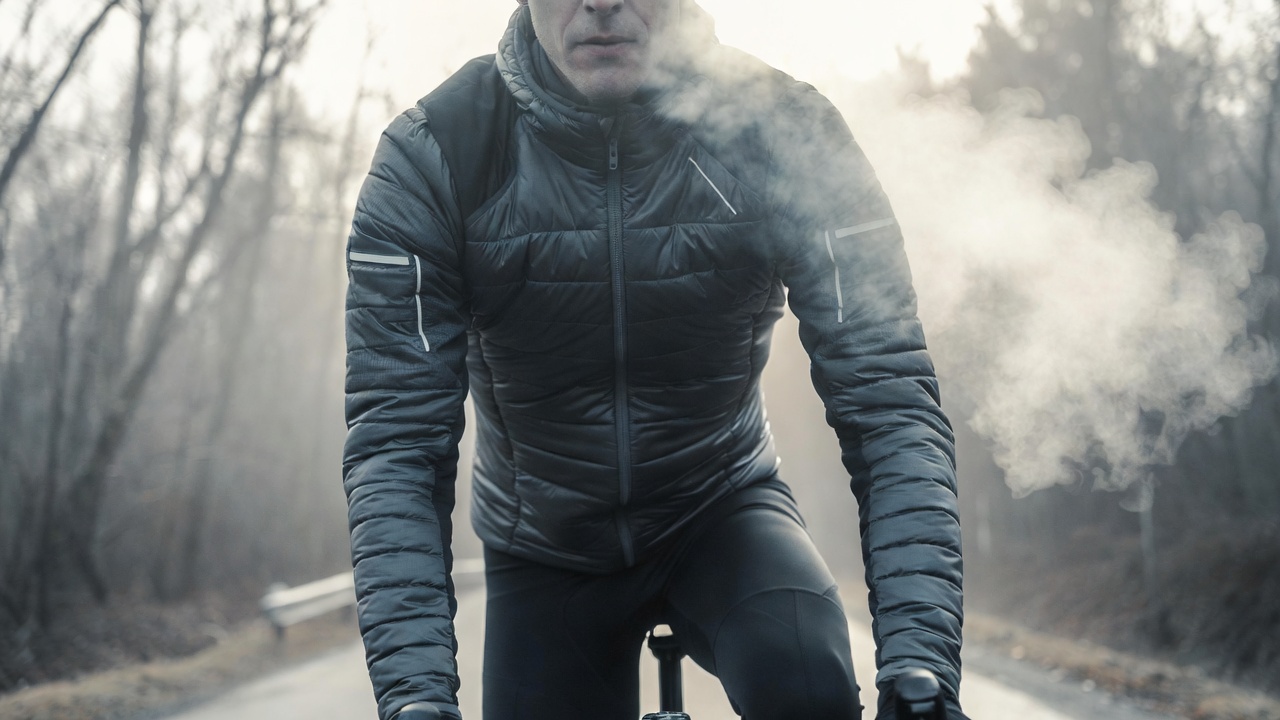
Riding in cold weather demands more than adding a thick jacket. Your body heats up fast, cools down quickly, and reacts to wind and moisture in ways many riders underestimate.
Proper cycling clothing matters because it helps regulate body temperature while allowing movement and airflow. Winter gear designed for cycling supports your posture, pedaling motion, and changing effort levels.
When chosen correctly, cold weather gear improves comfort, boosts confidence, and reduces the risk of fatigue caused by cold stress.
Cold Weather Cycling Conditions
Cold conditions affect cyclists differently than walkers or runners because of speed and exposure. Temperature alone does not tell the full story.
Wind chill can drop the felt temperature by several degrees, especially on descents. Moisture from rain, snow, or sweat pulls heat away from the skin and increases discomfort.
Dry cold rides usually feel easier to manage with proper layers, while wet cold rides demand stronger protection to prevent heat loss and chafing.
The Layering System for Cold Weather Cycling
Layering is the foundation of winter cycling comfort. Each layer has a specific role that supports the others.
Base Layer Moisture Management
A base layer sits directly against your skin and controls sweat. Its main job is to move moisture away before it cools your body.
Good base layer options include:
- Synthetic fabrics that dry quickly and resist odor
- Merino wool for warmth, softness, and natural temperature control
The fit should be snug without restricting movement, allowing moisture to transfer efficiently.
Mid Layer Insulation and Heat Retention
Mid layers trap warm air while allowing excess heat to escape. They act as your main insulation during steady riding.
Effective mid-layer choices include:
- Lightweight thermal jerseys for moderate cold
- Fleece-backed tops for longer or colder rides
Use thicker insulation when the intensity is low or temperatures drop significantly.
Outer Layer Protection from Wind and Rain
The outer layer shields you from wind, rain, and road spray. It prevents heat loss while letting moisture escape.
Key outer layer features include:
- Windproof panels across the chest
- Water resistance for changing weather
- Vent zips or breathable fabrics
Softshell jackets offer flexibility and breathability, while hardshells provide stronger rain protection.
Cold Weather Cycling Jackets
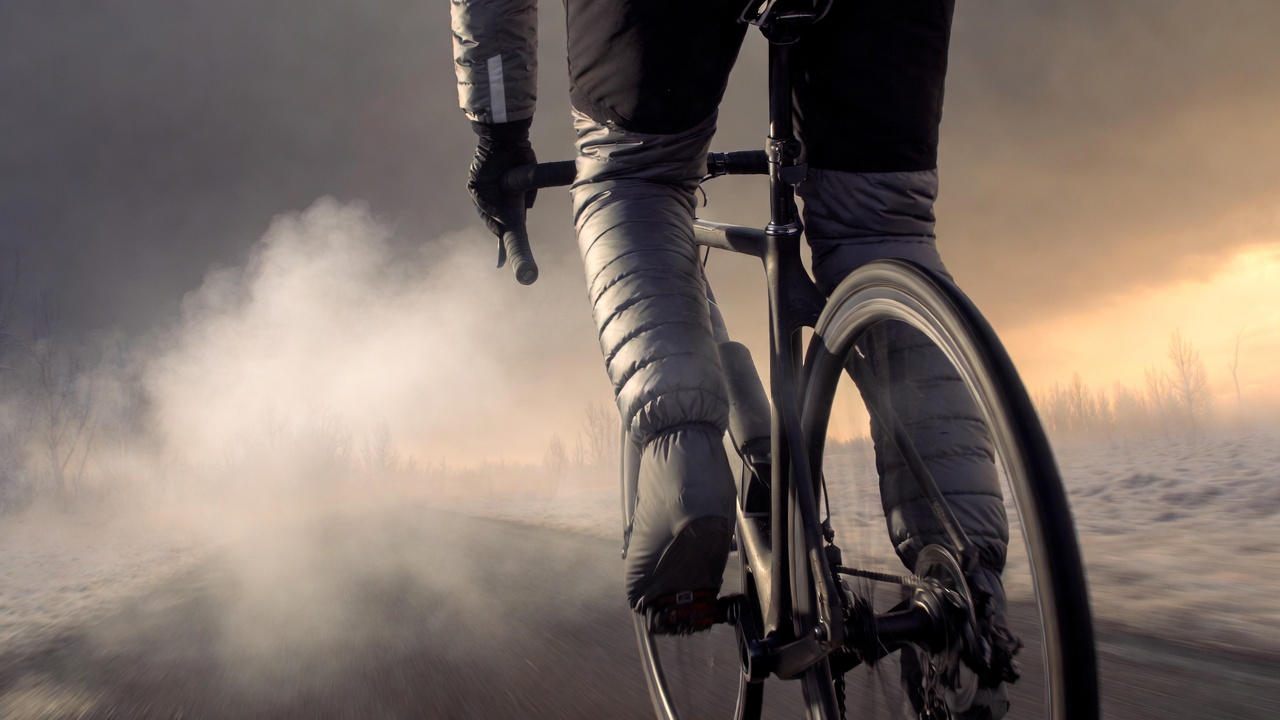
Winter cycling jackets should balance warmth and airflow. Too much insulation causes overheating, while too little leads to rapid cooling.
Look for jackets with:
- Thermal linings or brushed interiors
- Wind-blocking fronts
- Stretch panels for movement
Visibility matters during shorter days, so reflective details and bright colors help drivers see you in low light.
Cold Weather Cycling Bottoms
Lower body warmth is essential for comfort and muscle performance. Cold legs fatigue faster and feel stiff.
Thermal tights and bib tights provide insulation without bulk. Many feature wind-resistant panels on the thighs and knees where exposure is highest.
Padding should remain flexible in cold temperatures to avoid discomfort on longer rides.
Hand Protection for Cold Weather Cycling
Hands are often the first area to feel cold due to reduced blood flow. Poor hand warmth affects braking and shifting.
Cold-weather cycling gloves range from light thermal to fully waterproof designs. Choose based on temperature and moisture level.
Extra options include:
- Glove liners for added warmth
- Lobster-style gloves that combine insulation with control
Foot Protection for Cold Weather Cycling
Cold feet can end a ride early. Shoes and socks must work together to manage warmth and moisture.
Winter cycling shoes offer insulation and water resistance, while shoe covers add protection to regular shoes.
Thermal socks made from wool or synthetic blends help prevent moisture buildup and numb toes.
Head and Neck Protection
Heat escapes quickly from the head and neck, especially at speed. Lightweight coverage makes a big difference.
Cycling caps and skull liners fit under helmets without pressure. Neck gaiters and balaclavas protect exposed skin in extreme cold.
All headwear should allow moisture to escape to prevent fogging eyewear or soaking layers.
Accessories That Improve Cold Weather Comfort
Small accessories often provide big comfort gains during winter rides.
Useful additions include:
- Arm and leg warmers for temperature changes
- Toe covers and overshoes for wind protection
- Winter cycling glasses to shield eyes from cold air
These items add flexibility without forcing a full outfit change.
Choosing the Right Cold Weather Cycling Clothing
Clothing choices should match your ride style and conditions. A short, intense ride needs a different gear than a long endurance session.
Check the weather forecast before every ride and adjust layers accordingly. Prioritize breathability for high effort and insulation for steady pacing.
The goal is balance. Warm enough to stay comfortable, breathable enough to avoid sweat buildup, and flexible enough to move naturally.
Common Cold Weather Cycling Clothing Mistakes
Many riders overdress, trapping sweat that later causes chilling. Others ignore wind chill, focusing only on air temperature.
Another common mistake is wearing casual winter clothing not designed for cycling. These items restrict movement and fail to manage moisture effectively.
Cycling-specific gear solves these problems with targeted materials and fit.
Care and Maintenance of Cold Weather Cycling Gear
Proper care extends the life of winter clothing and preserves performance features.
Wash gear using mild detergent and avoid fabric softeners. Air dry whenever possible to protect insulation and waterproof layers.
Store clean, dry gear in a cool place during the off-season to prevent odor and material breakdown.
Conclusion
Investing in proper cold-weather cycling clothing transforms winter riding from a struggle into a rewarding experience. Smart layering, weather protection, and cycling-specific design keep you comfortable, safe, and confident all season long.