

Cold rides can feel sharp, sluggish and uncomfortable, even for experienced cyclists. The drop in temperature changes how your body responds to effort, which can turn a normal ride into a tougher one than expected.
Cold weather increases cycling pain by tightening muscles, slowing blood flow and making nerves more sensitive. It also raises joint stiffness, breathing irritation and overall fatigue. These changes stack together and create more soreness than you would feel on a warm day.
This guide explains the main ways cold conditions increase pain and what your body experiences during chilly rides.
How Cold-Weather Increases Cycling Pain: 9 Key Factors
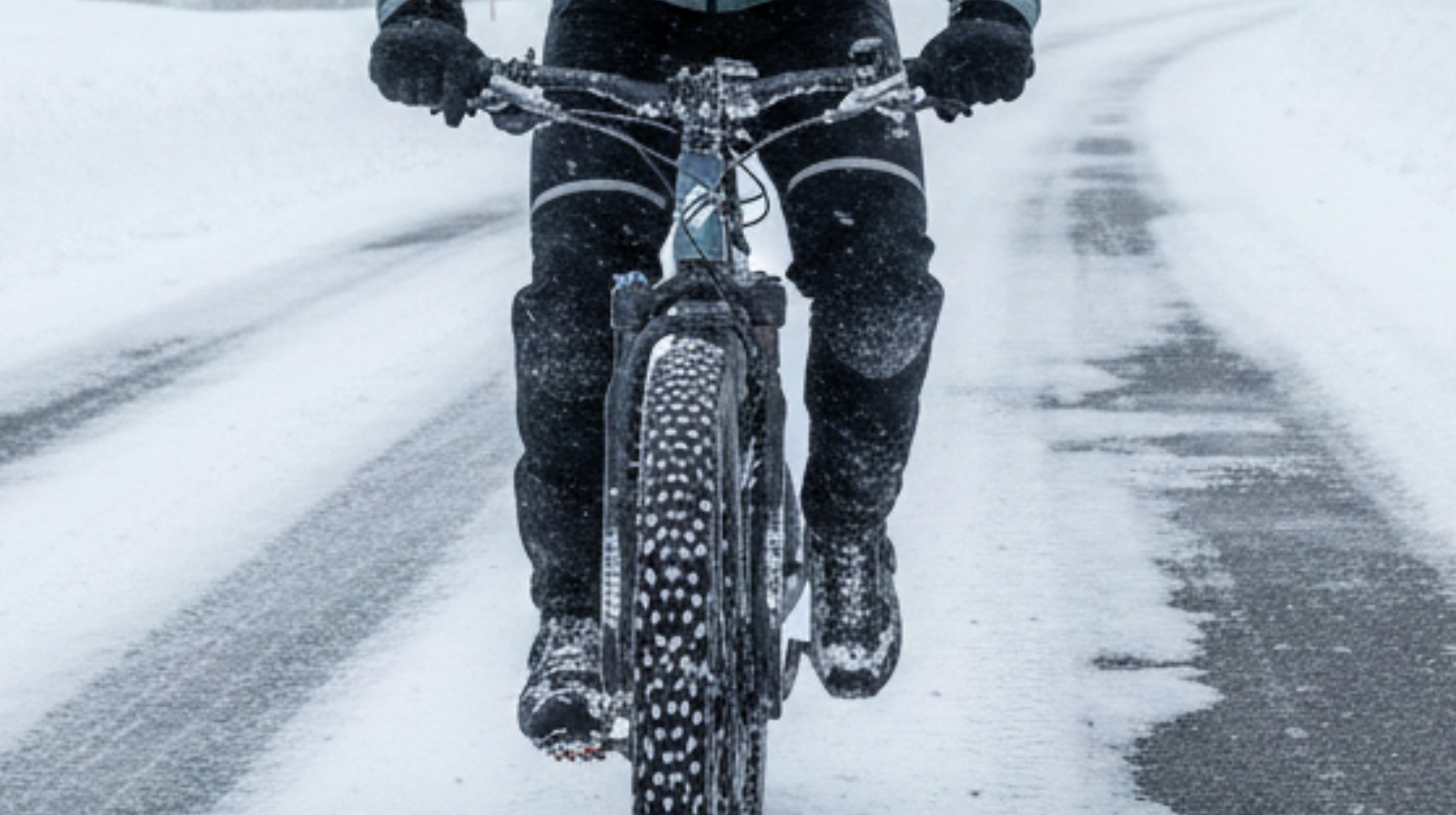
Most riders notice that low temperatures make every pedal stroke feel heavier. The cold affects muscles, joints, and nerves, which changes how your body moves and reacts. These shifts create discomfort that ranges from mild stiffness to sharper pain.
Common trouble spots include hands, feet, knees and the lower back. These areas lose heat quickly and rely on steady circulation to stay comfortable. Some discomfort is normal, but pain that lingers or grows stronger can be a sign of a deeper issue.
Mild tightness is expected, while constant numbness, sharp joint pain or loss of control should be taken seriously.
How Cold Temperatures Affect Muscles
When temperatures drop, muscles contract more slowly and lose some flexibility. This makes your first few miles feel stiff and strained.
As stiffness rises, your muscles tire faster. The effort needed to produce power goes up, even if your pace stays the same.
Starting a ride without enough warmth raises the chance of small strains because tight tissue cannot stretch as easily.
Reduced Blood Flow and Circulation
Cold air triggers blood vessels near the skin to tighten. This protects your core temperature but reduces flow to working muscles.
When muscles receive less oxygen, they feel heavier and need more effort to perform. You may notice:
- Soreness that builds early
- Legs that feel slow or weighted
- Longer warm-up times
Poor circulation makes recovery harder and increases post-ride pain.
Joint Pain in Cold Weather
Cold affects the fluid inside your joints, making it thicker and less effective. Joints that normally glide now feel stiff or sensitive.
Cyclists often feel this in the knees, hips and ankles, especially during long rides.
As stiffness builds, joint pain can rise if the tissue does not warm correctly.
Nerve Sensitivity and Tingling
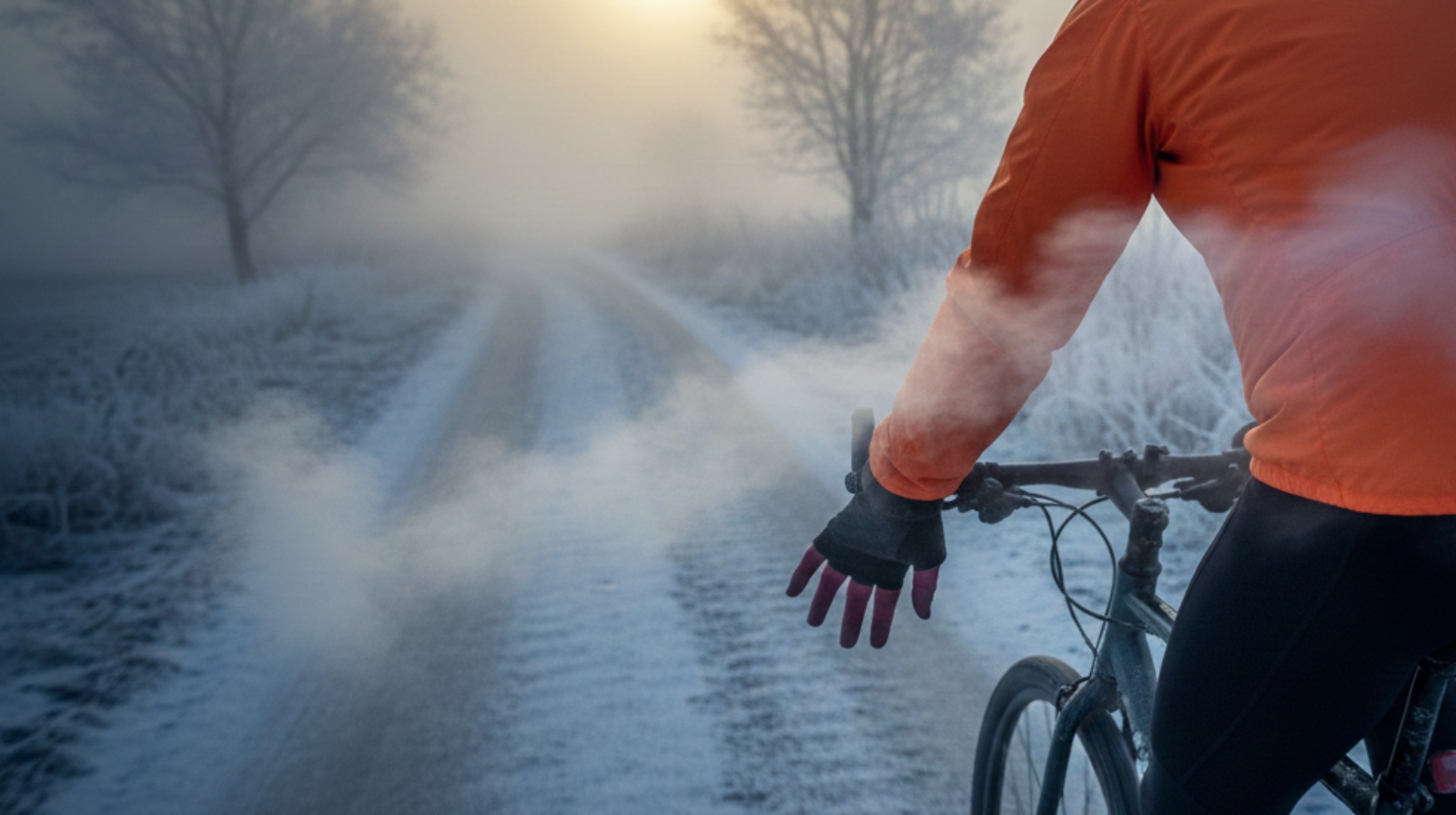
Nerves slow down in the cold, which leads to tingling or numb spots. This is most common in the hands, feet and face where there is less insulation.
When nerves react poorly, comfort and control both drop. Cold hands struggle with shifting and braking, while numb toes make it harder to maintain a steady pedal stroke.
Breathing Discomfort in Cold Air
Cold air is dry, which irritates the airways when you breathe heavily. Riders may feel chest tightness, coughing or a scratchy sensation during hard efforts.
The body must work harder to warm incoming air, so maintaining pace often feels more taxing on cold days.
Skin Exposure and Painful Contact Points
Cold wind lowers skin temperature fast, which makes pressure areas more sensitive. Contact points like the saddle, bars and pedals feel harsher.
Reduced padding in cold tissues means vibrations and bumps reach deeper. You may feel:
- More saddle pressure
- Hands hurting sooner
- Feet aching earlier
Fatigue and Energy Drain
Your body uses extra energy to stay warm, which leaves less for pedaling. This can lead to earlier fatigue even on an easy route.
Once fatigue rises, pain perception goes up. What normally feels like mild discomfort can shift into stronger soreness or tightness.
When Cold Related Pain Signals a Problem
Cold pain is common, but certain signs should not be ignored. Watch for:
- White or gray skin patches that suggest early frostbite
- Numbness that does not ease after warming
- Sharp or unusual joint pain that appears suddenly
These signs mean you should stop, warm up and reassess before continuing.
Conclusion
Cold weather changes how your muscles, joints, nerves and breathing respond to effort, which makes cycling pain more likely. Understanding these effects helps you prepare better and stay comfortable. With the right approach, you can enjoy cold rides while keeping pain under control.