
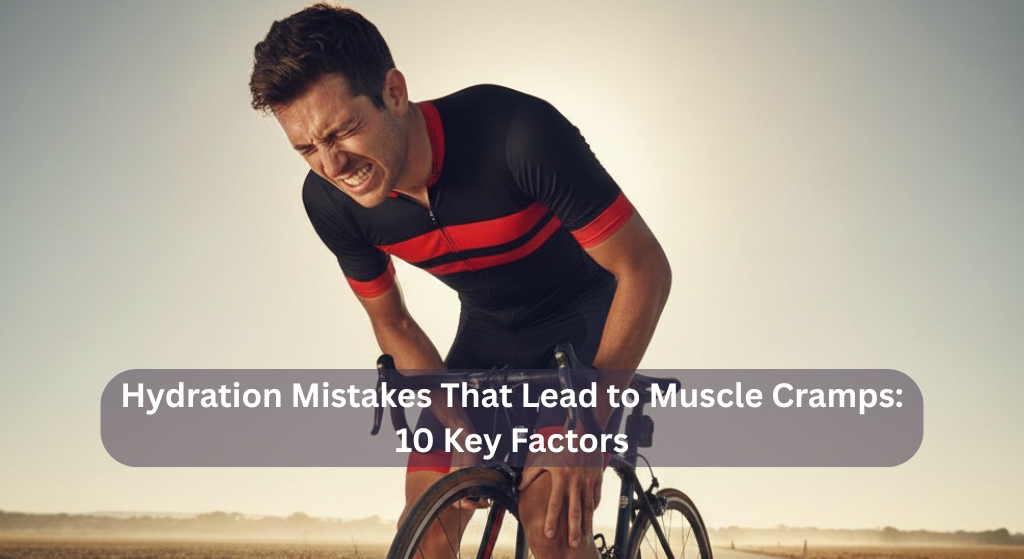
Muscle cramps can shut down even the strongest ride, often without warning. Many cyclists blame fitness or fatigue, but hydration errors are one of the biggest triggers. The good news is that most of these mistakes are easy to fix once you know what to look for.
Hydration plays a direct role in how your muscles contract, relax, and recover. When fluids or electrolytes fall out of balance, your muscles struggle to work smoothly.
This can create that sharp, sudden tightening that forces you off the bike. Water alone doesn’t solve the problem. In fact, relying only on water can sometimes make things worse.
This guide breaks down the most common hydration mistakes that lead to muscle cramps and shows you how to stay ahead of them.
Hydration Mistakes That Lead to Muscle Cramps: 10 Key Factors
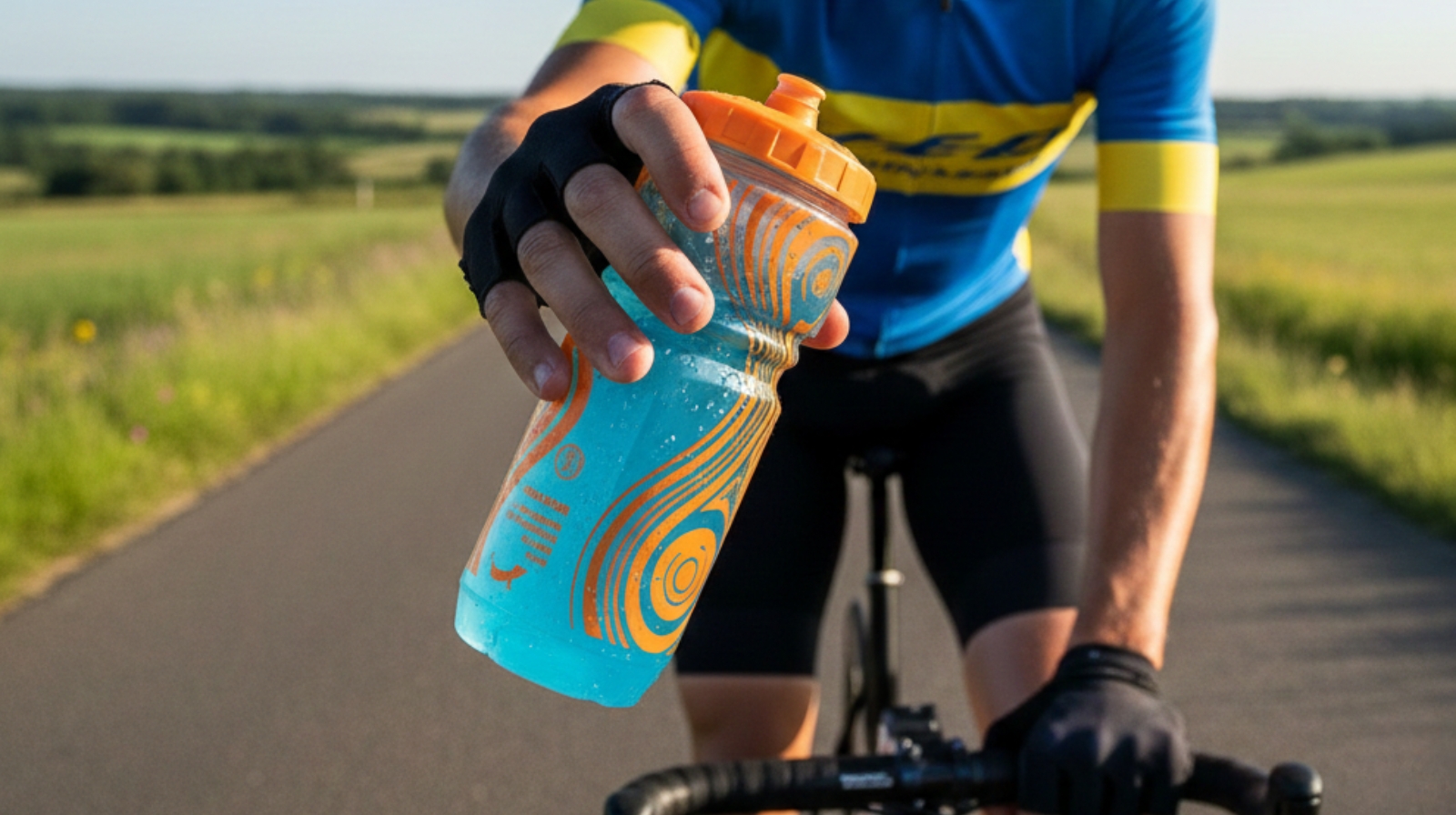
Hydration sets the foundation for steady muscle function. When your fluid levels drop, blood volume falls and your muscles get less oxygen. This slows everything down. Dehydration also makes your nerves more sensitive, which increases the chance of cramping. Many riders still think drinking water is all they need, but true hydration depends on the right balance of fluids and electrolytes.
Drinking Too Little
Not getting enough fluids is one of the fastest ways to run into trouble on a ride. Even mild dehydration can make your legs feel tight and heavy. Watch for signs like a dry mouth, dizziness, rising heart rate, or dark urine. Early symptoms include twitching, growing fatigue, and a feeling that your muscles are “on edge” before a cramp strikes.
Drinking Too Much Water
Taking in too much water might seem harmless, but it can backfire. Overhydration can lead to low sodium levels, known as hyponatremia. When this happens, the extra water dilutes your electrolytes, which are crucial for muscle signals. This imbalance makes your muscles more likely to misfire and cramp.
Ignoring Electrolyte Balance
Your body relies on sodium, potassium, magnesium, and calcium to keep your muscles firing correctly. Plain water can’t replace these minerals on long rides. Signs of imbalance include headaches, tingling, nausea, or stiff muscles that tighten without warning.
To help maintain balance, look for drinks with:
- Sodium to support fluid retention
- Potassium to aid muscle contraction
- Magnesium to reduce nerve irritability
- Calcium to help muscles relax smoothly
Poor Timing of Hydration
Your body works best when fluids arrive steadily, not in random gulps. Waiting until you feel thirsty is usually too late. Inconsistent drinking during long rides can create sudden drops in fluids or electrolytes, which easily trigger cramps.
Try to drink:
- Small sips throughout your ride
- More frequently during climbs or hard efforts
- Extra electrolytes during long or hot rides
Using the Wrong Fluids
Some drinks hurt more than they help. High-sugar drinks can spike your energy and then crash it. Caffeine and alcohol pull fluids from your system and make dehydration worse. Many flavored drinks also lack the electrolytes your muscles need.
Better options include:
- Low-sugar electrolyte mixes
- Light sports drinks with sodium and potassium
- Water paired with electrolyte tablets
Not Adjusting for Weather or Effort
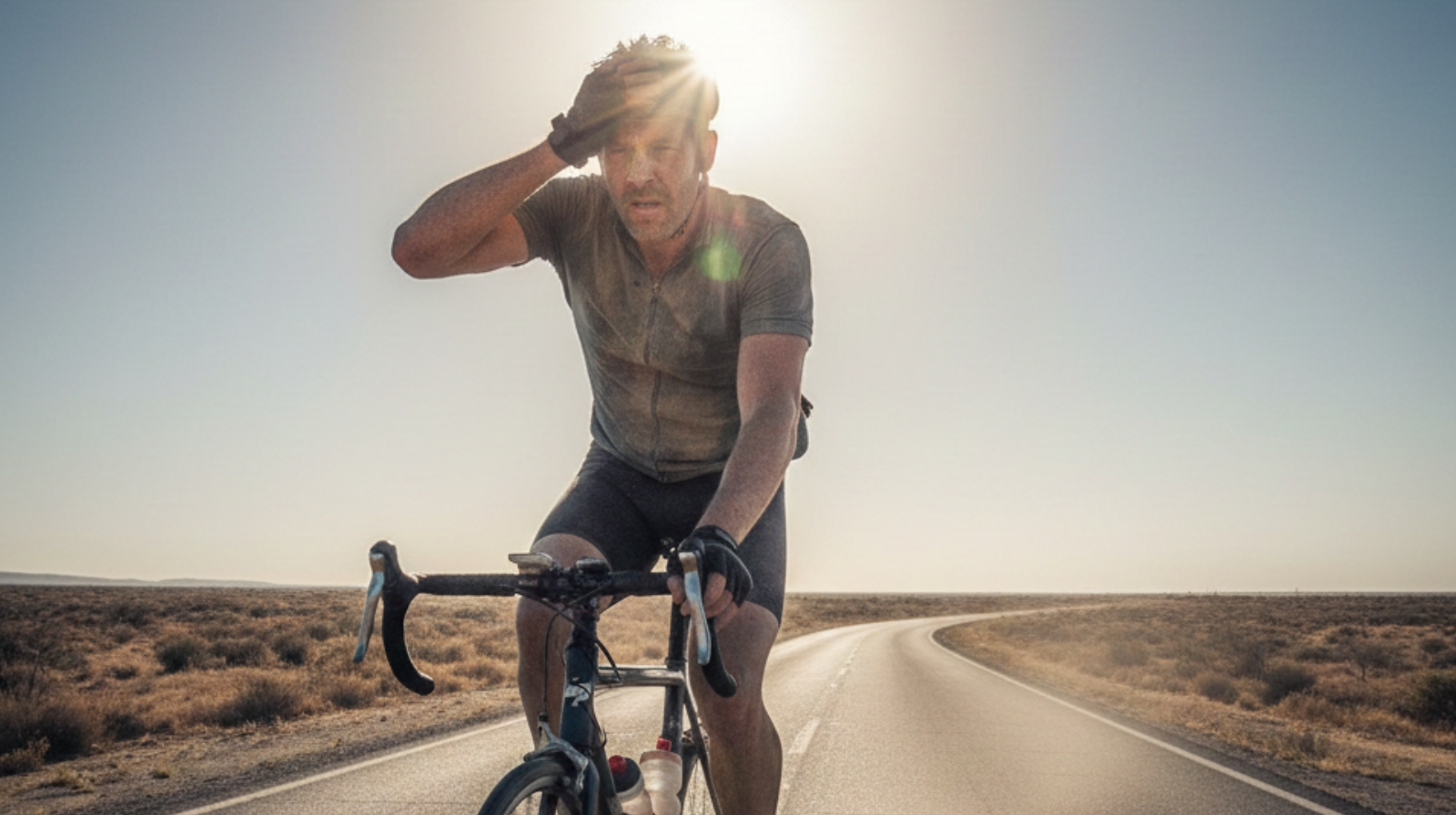
Your hydration needs shift with the environment and intensity. Hot, humid days increase sweat loss, which drains both fluids and electrolytes. Hard efforts like climbs or interval sessions raise your demand even more. Ignoring your personal sweat rate can lead to cramps, even if you think you’re drinking enough.
Helpful adjustments:
- Increase electrolyte intake in heat
- Sip more often during high-intensity segments
- Track how much you typically sweat per hour
Pre-Ride and Post-Ride Hydration Mistakes
Starting a ride already low on fluids puts you at a disadvantage. Skipping water in the hours before a ride forces your body to play catch-up, which raises cramp risk. After your ride, failing to replace lost fluids and electrolytes can make cramps show up later in the day.
Good habits include:
- Drink steadily before your ride
- Refuel with electrolytes afterward
- Avoid going long hours without fluids
When Hydration Mistakes Require Medical Attention
Most cramps fade with rest and proper hydration, but some are more serious. Seek help if cramps keep returning, if you can’t keep fluids down, or if you notice strong dizziness, confusion, or a pounding headache. These signs may point to heat-related illness or a severe electrolyte imbalance.
Conclusion
Most muscle cramps come from simple hydration mistakes, but each one can be corrected with the right balance of fluids and electrolytes. Paying attention to timing, weather, effort, and recovery helps your muscles work smoothly on every ride. A little planning goes a long way toward keeping you comfortable and cramp-free.