

Pain on the outside of the knee can stop even the most dedicated runner or cyclist in their tracks. It often starts small, then slowly becomes impossible to ignore.
Iliotibial Band Syndrome, often called ITBS, is one of the most common overuse injuries in active people. It happens when tension and friction build along the iliotibial band, leading to irritation near the knee. The good news is that ITBS is usually fixable when the root causes are addressed early and correctly.
In this guide, you will learn what causes ITBS, how it develops, and which proven fixes help reduce pain, restore movement, and prevent it from coming back.
Iliotibial Band Syndrome (ITBS) Causes & Fixes:15 Factors
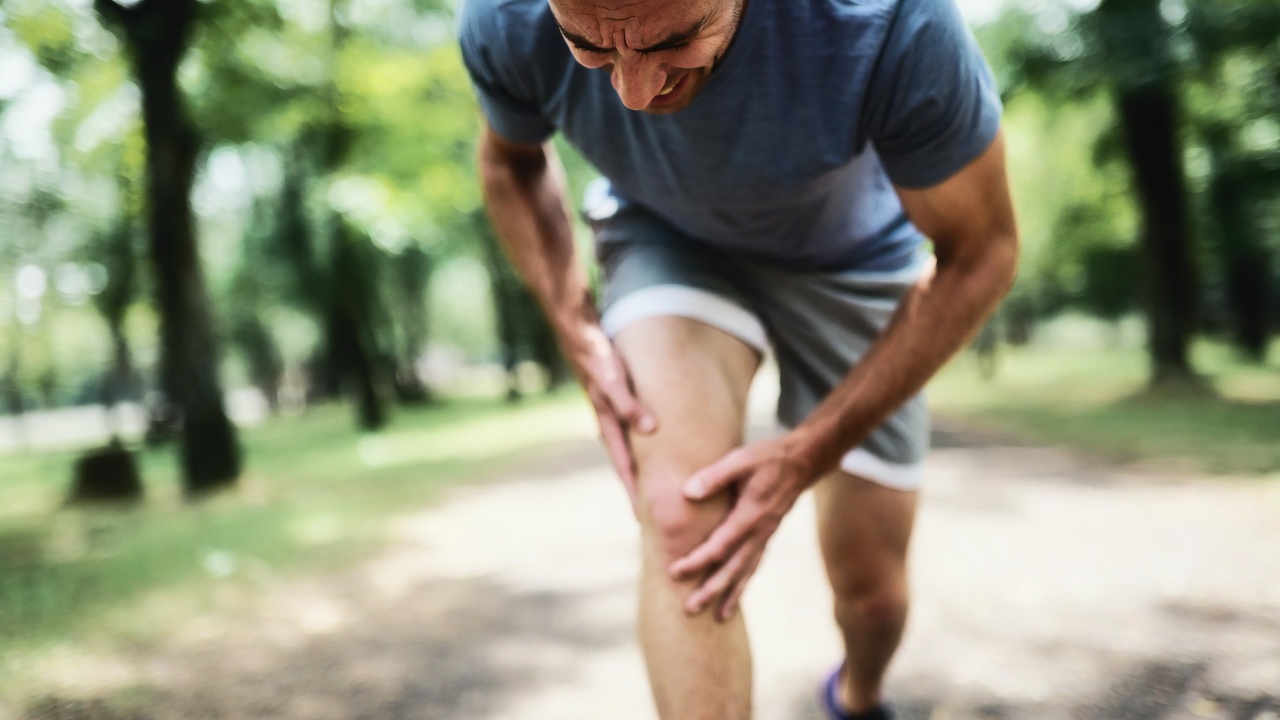
The iliotibial band is a thick strip of connective tissue that runs along the outside of the thigh. It starts at the hip and travels down to the outer knee.
Its main role is to help stabilize the hip and knee during movement. It supports the leg when walking, running, cycling, and standing on one foot. When the band becomes too tight or overloaded, it can rub against the outer knee and trigger irritation.
Primary Mechanical Causes of ITBS
ITBS often develops because of repeated stress on the knee joint. This stress builds up over time rather than from a single event.
Common mechanical contributors include:
- Repetitive bending and straightening of the knee
- Increased friction where the band passes the outer knee
- Poor force control during running or cycling movements
When these forces exceed what the tissue can handle, pain begins to appear.
Muscle Imbalances Linked to ITBS
Muscle strength and coordination play a major role in ITBS. Weak or overactive muscles change how the leg moves during activity.
Key imbalances linked to ITBS include:
- Weak hip abductors and gluteus medius
- Tight or dominant tensor fasciae latae muscle
- Uneven strength between the quadriceps and hamstrings
When the hips fail to stabilize properly, the iliotibial band absorbs extra strain.
Training and Activity-Related Causes
Training errors are one of the most common reasons ITBS develops. Even strong athletes can run into trouble with sudden changes.
Common activity-related causes include:
- Rapid increases in mileage or intensity
- Frequent downhill running or sloped road surfaces
- Limited rest days between hard sessions
The body needs time to adapt. Without recovery, tissues become irritated.
Biomechanical and Postural Contributors
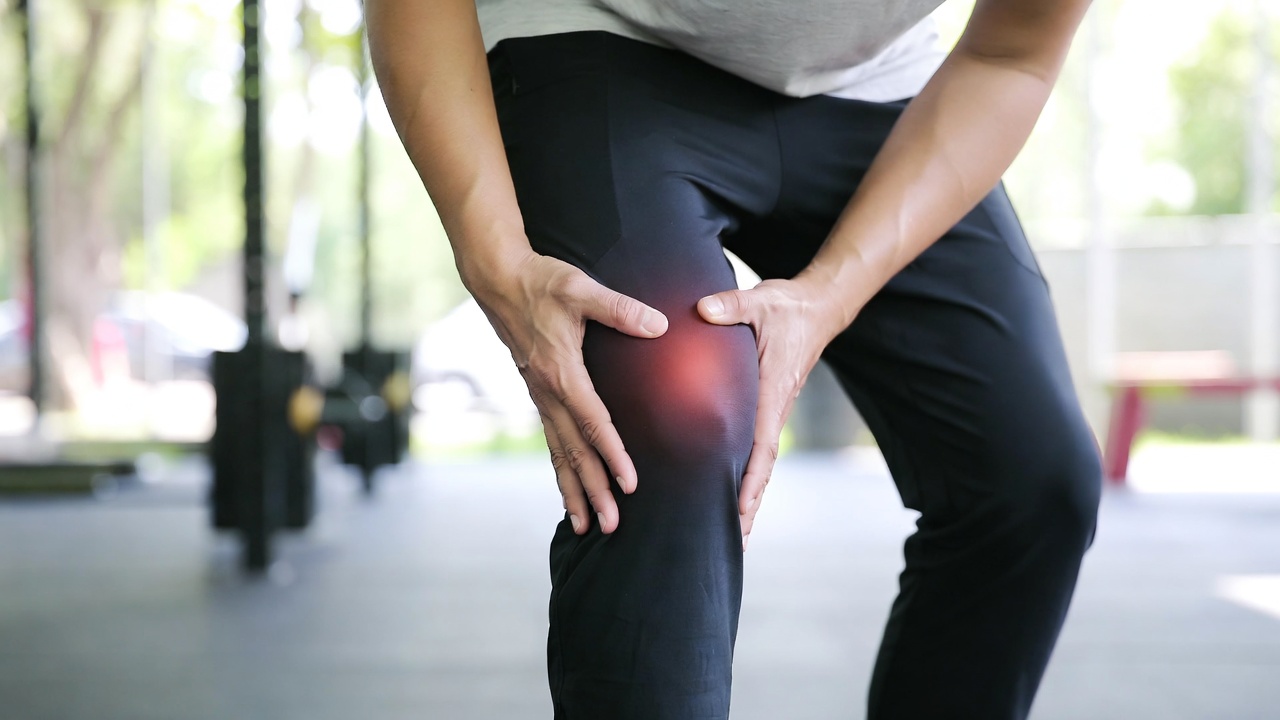
How you move matters just as much as how much you move. Small alignment issues can create big problems over time.
Biomechanical factors linked to ITBS include:
- Poor running form or stride control
- Overpronation or foot alignment problems
- Pelvic tilt or leg length differences
These issues alter force patterns and increase tension along the outer leg.
Equipment and Environmental Triggers
Sometimes the problem is not the body, but what supports it. Shoes, bikes, and surfaces all affect load distribution.
Common external triggers include:
- Worn-out or poorly matched footwear
- Hard or uneven training surfaces
- Improper bike saddle height or cleat position
Correcting these factors can significantly reduce irritation.
Early Signs That Require Immediate Fixes
Recognizing ITBS early makes recovery much easier. Ignoring symptoms often leads to longer setbacks.
Early warning signs include:
- Sharp or aching pain on the outside of the knee
- Pain that worsens with continued activity
- Discomfort that eases with rest but returns quickly
Pushing through pain usually makes ITBS harder to treat.
Activity Modification and Load Management
Reducing stress on the irritated tissue is essential during recovery. This does not always mean complete rest.
Helpful adjustments include:
- Cutting back on aggravating movements
- Temporarily lowering training volume
- Gradually reintroducing activity as pain improves
Smart load management supports healing without losing all fitness.
Stretching Techniques for ITBS Relief
Stretching can help reduce tension in nearby muscles, though the iliotibial band itself does not stretch easily.
Effective stretching focuses on:
- Hip flexors and lateral hip muscles
- Tensor fasciae latae release positions
- Gentle daily sessions rather than aggressive force
Stretching should feel relieving, not painful.
Strengthening Exercises That Fix ITBS
Strength training is one of the most effective long-term fixes for ITBS. It addresses the real cause instead of just the symptoms.
Key strengthening areas include:
- Hip abductors and glute muscles
- Controlled single-leg stability drills
- Core muscles that support pelvic control
Consistent strength work improves movement quality and reduces strain.
Soft Tissue Techniques and Mobility Work
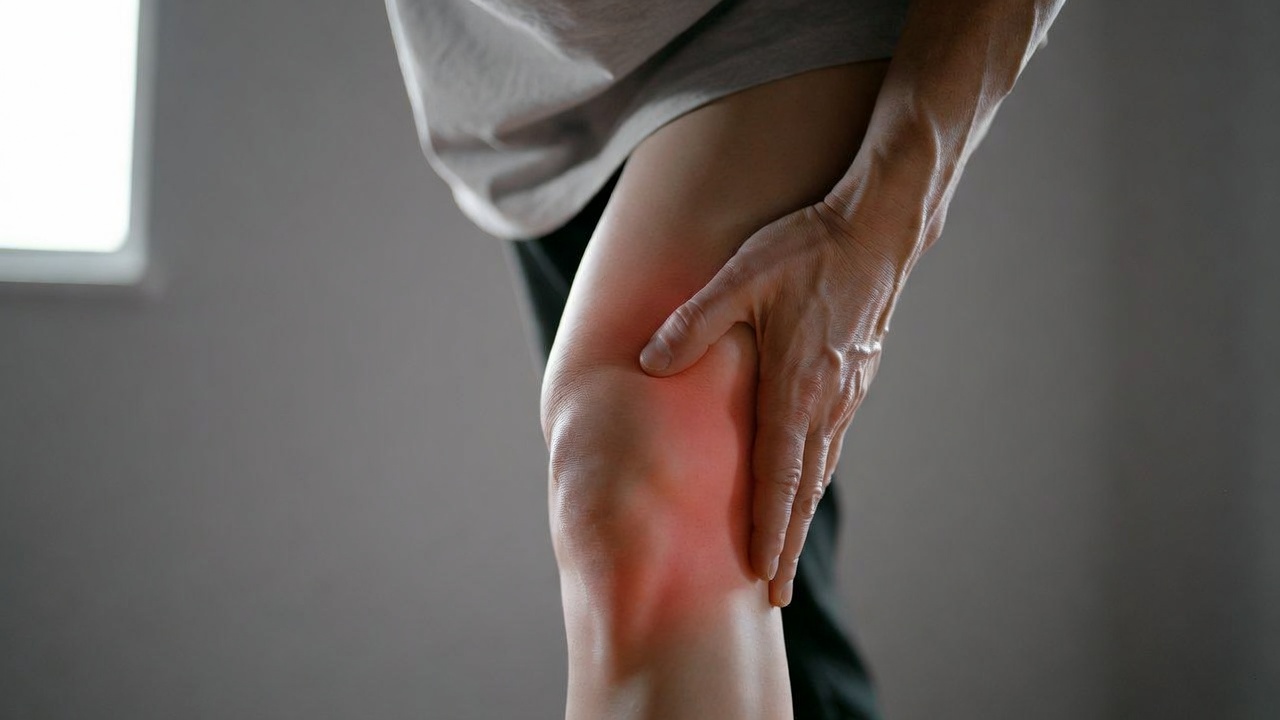
Soft tissue work can help reduce discomfort and improve movement when used correctly.
Supportive techniques include:
- Foam rolling around the hip and thigh
- Targeted myofascial release work
- Manual therapy guided by a trained professional
These methods work best alongside strength and load control.
Footwear, Orthotics, and Support Options
Support tools can play a helpful role when alignment issues contribute to ITBS.
Options may include:
- Switching to shoes that better match foot mechanics
- Using orthotics for excessive pronation
- Temporary taping or bracing for symptom relief
These tools support recovery but should not replace strength work.
Professional Treatment Options
When pain persists, professional guidance can speed recovery and prevent misdiagnosis.
Treatment options may include:
- Physical therapy with movement assessment
- Gait analysis and technique retraining
- Medical care if conservative treatment fails
Early expert input often shortens recovery time.
Preventing ITBS Recurrence
Long-term success depends on consistent habits rather than quick fixes.
Prevention strategies include:
- Maintaining hip and core strength
- Proper warm-up and cooldown routines
- Gradual and planned training progressions
Prevention focuses on balance, control, and patience.
When to Seek Medical Evaluation
Not all knee pain is ITBS. Certain signs require professional assessment.
Seek evaluation if you notice:
- Pain that does not improve with rest
- Repeated flare-ups despite proper care
- Swelling, locking, or instability in the knee
An accurate diagnosis ensures the right treatment plan.
Conclusion
Iliotibial Band Syndrome is not just about tight tissue or sore knees. It reflects how the body handles load, strength, and movement over time. By identifying the real causes, adjusting training, and building proper strength, most people can fix ITBS and prevent it from returning. Consistent effort and smart movement choices make the biggest difference.