

Cyclists love to ride. When motivation is high, rest days can feel like a setback instead of a smart move. Skipping recovery often seems harmless until progress slows or pain shows up.
Rest days give your body time to repair muscle damage from riding and restore energy. They help reduce soreness, prevent overuse injuries, and protect joints and tendons.
Time off the bike also refreshes the nervous system and improves focus. With regular rest, cyclists stay healthier, stronger, and more consistent over time.
This article explains how rest days support recovery, protect your body, boost performance, and help you ride consistently for years.
Importance of Rest Days for Cyclists: 7 Proven Benefits

Hard rides place small tears in muscle fibers and drain energy stores. Rest days allow the body to repair that damage, so strength can improve rather than decline.
During recovery, your body focuses on:
- Repairing and rebuilding muscle tissue
- Reducing soreness and lingering fatigue
- Refilling glycogen stores for future rides
Skipping rest slows this process. Muscles stay tired, legs feel heavy, and power output suffers.
Injury Prevention
Cycling is low impact, but repetition adds up fast. Knees, hips, Achilles tendons, and the lower back are constantly under stress.
Rest days help by:
- Lowering the risk of overuse injuries
- Reducing chronic inflammation
- Supporting joint and connective tissue health
Many cycling injuries develop quietly. Regular rest can prevent small issues from becoming season-ending problems.
Performance Improvement
Training gains do not happen during the ride itself. They happen after, when the body adapts to stress.
With proper rest, cyclists often notice:
- Increased strength and power
- Better endurance and ride efficiency
- Fewer performance plateaus
Rest turns hard work into measurable progress. Without it, effort increases but results fade.
Nervous System Recovery
Cycling challenges more than muscles. The nervous system works hard to control balance, coordination, and reaction time.
Rest supports:
- Recovery of the central nervous system
- Sharper bike handling and control
- Lower risk of mental and physical burnout
When the nervous system stays overloaded, rides feel harder even at easy speeds.
Hormonal Balance
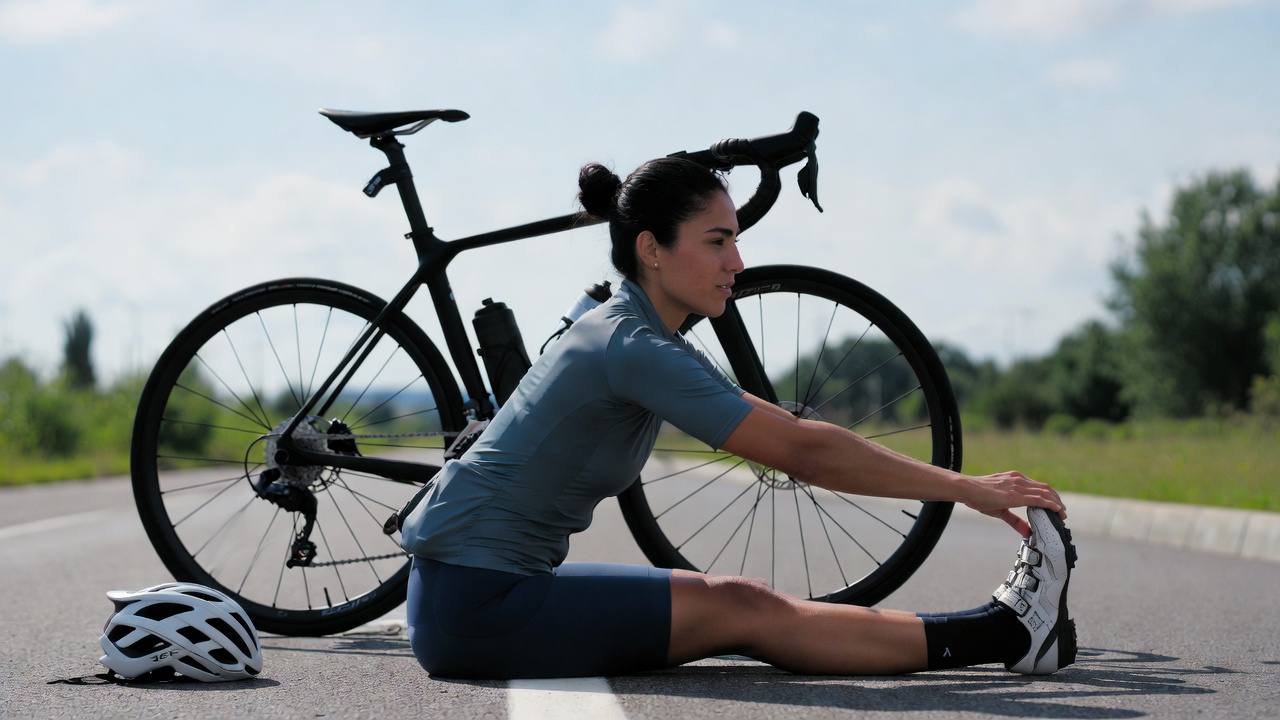
Training stress affects hormone levels. Too much stress and not enough recovery can disrupt that balance.
Rest days help:
- Regulate cortisol and other stress hormones
- Support muscle-building and recovery hormones
- Maintain long-term training adaptations
Balanced hormones support steady progress and healthier recovery patterns.
Mental Recovery
Mental fatigue often shows up before physical fatigue. Training can feel like a chore instead of something you enjoy.
Rest days allow:
- A break from routine and pressure
- Renewed motivation and focus
- Greater enjoyment when you return to riding
A rested mind helps you train smarter, not just harder.
Long-Term Consistency
The biggest gains in cycling come from consistency over time. Burnout and injury are the fastest ways to lose that momentum.
Regular rest supports:
- Sustainable training across seasons
- Lower risk of forced time off
- Steady, progressive improvement
Cyclists who rest properly ride longer, stronger, and with fewer setbacks.
Conclusion
The importance of rest days for cyclists goes far beyond taking time off the bike. Rest fuels recovery, prevents injury, sharpens performance, and keeps both body and mind healthy. When rest becomes part of your training plan, cycling stays enjoyable and sustainable for the long run.