
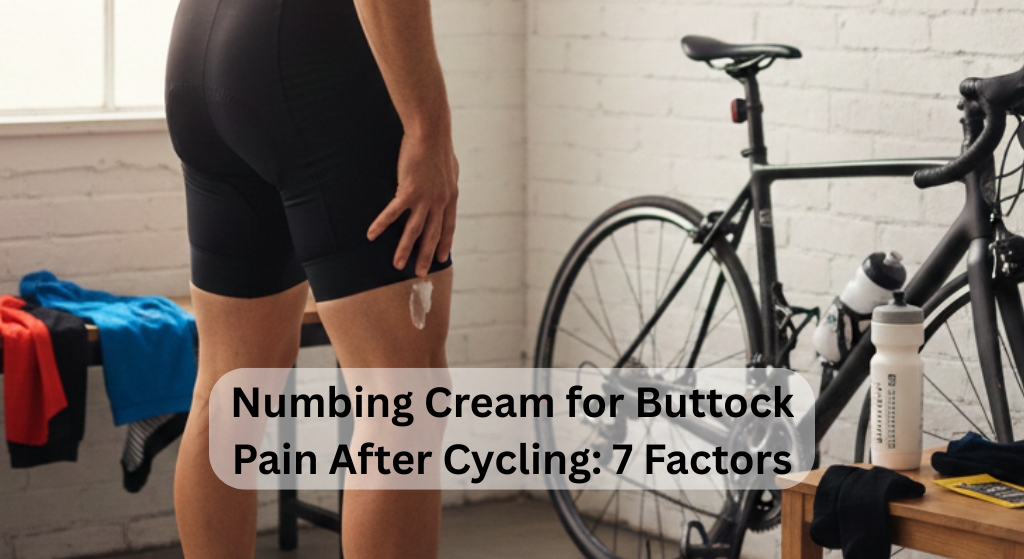
Buttock pain after a ride can pull the joy out of cycling. When the skin feels raw or every movement stings, it’s natural to look for quick relief. Many riders wonder if a numbing cream is the answer.
Numbing creams can help with certain kinds of pain on the surface of the skin, but they are not a fix for deeper problems. They may soothe irritation for a short period, yet the real solution often involves a better fit, technique, and care for the skin. Used the wrong way, numbing products can hide warning signs your body needs you to notice.
This guide walks you through what causes cycling buttock pain, how numbing creams work, when they help, when they hurt, and the steps that lead to lasting comfort.
Numbing Cream for Buttock Pain After Cycling: 7 Factors
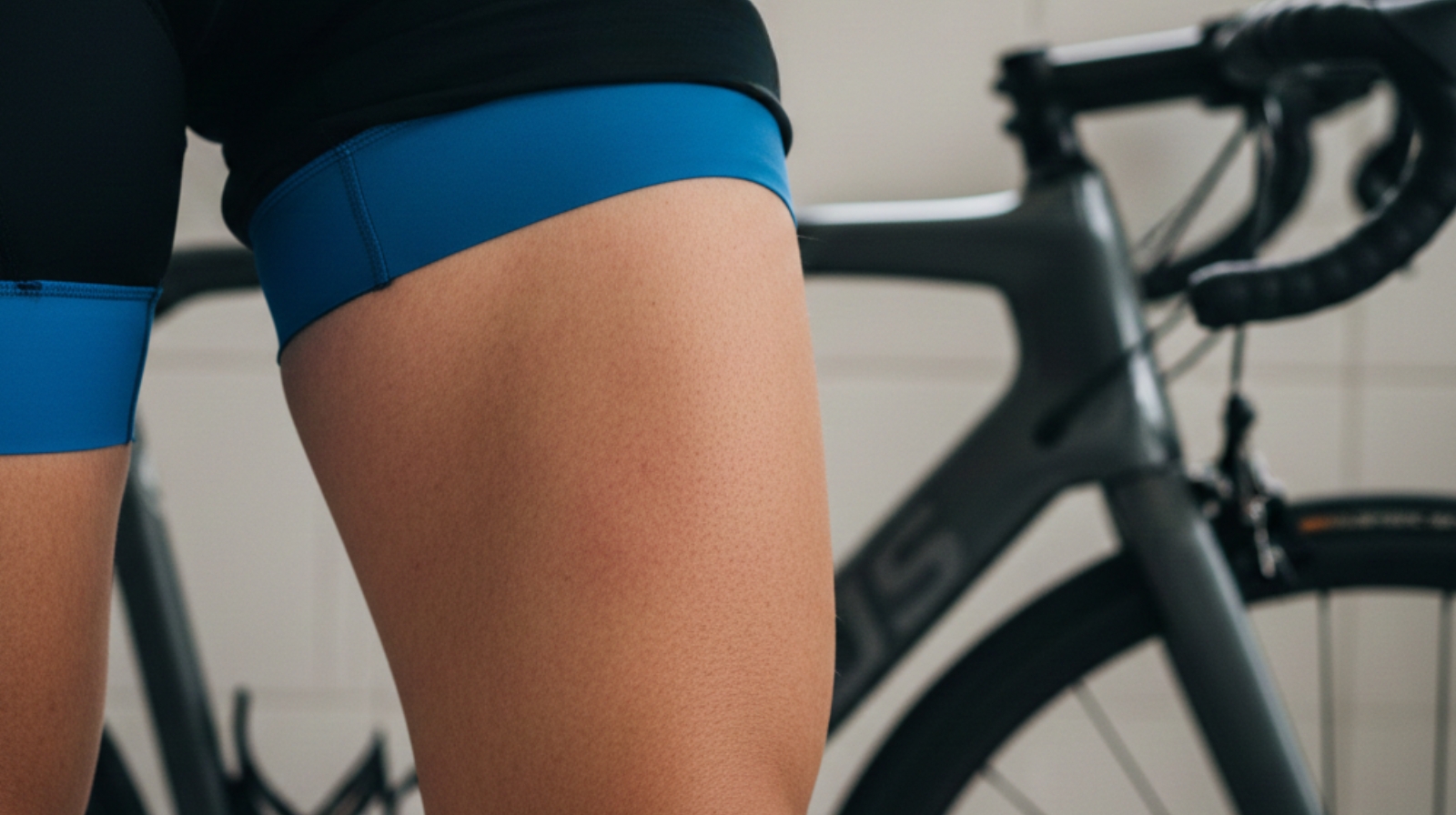
Buttock pain shows up in a few clear patterns. Each has a different cause, so it helps to understand what your body is telling you.
Common types of pain riders notice:
- Skin chafing from friction between shorts and the saddle
- Saddle sores that form when skin is irritated or clogged with bacteria
- Deep muscle pain from long hours in the saddle
- Nerve-type discomfort or numbness in the buttock or perineal area
Numbing creams only affect the top layers of the skin, so they help with surface irritation, not deeper muscle or nerve compression. When pain is caused by saddle angle, posture, or nerve pressure, you need a proper fit or medical guidance.
How Numbing Cream Works
Numbing creams use ingredients like lidocaine to block pain signals in the skin. Riders sometimes look to these products when a sore spot becomes too tender to ignore.
A thin layer of numbing cream can dull surface pain for a short time. This may help if you have mild chafing and need relief while you recover. Still, the cream does nothing to stop pressure or rubbing, which means the real trigger stays in place until you fix it.
Types of Topicals Cyclists Use
Cyclists often mix up numbing cream with other skin products. Each one has a different job.
- Numbing cream: Helps with pain on the skin.
- Chamois cream: Adds lubrication, lowers friction, and helps prevent sores.
- Barrier and zinc creams: Protect irritated skin from moisture and rubbing.
- Soothing creams: Menthol, aloe, or arnica for comfort after a ride.
- Antibiotic ointments: For sores that look infected, usually guided by a clinician.
Knowing which product fits your situation helps you avoid masking a problem that needs real attention.
When Numbing Cream Can Help
Sometimes you just need temporary relief to get through a short window of training or a key event. If the skin is intact and the pain is shallow, a numbing cream may help ease irritation.
It may also work as part of a broader recovery plan when:
- The pain is on the surface and not deep in the muscle
- You have short-term soreness from chafing
- A professional has already ruled out serious causes
- You are adjusting your saddle or shorts but still need relief
Used thoughtfully, numbing cream can support but should not replace rest, ice, better gear, or a proper bike fit.
When Numbing Cream Is a Bad Idea
Numbing cream can hide pain that needs quick care. If you numb the skin and keep riding, you may make the problem worse.
Avoid numbing creams when you see:
- Open sores, broken skin, or signs of infection
- A lump or swelling that feels warm
- Deep buttock pain that feels sharp
- Numbness or tingling in the perineal area
These signs point to pressure, infection, or nerve issues. Covering up symptoms with anesthetic cream can delay treatment that protects your long-term comfort and safety. In these cases, schedule a bike fit or medical evaluation before riding again.
Safety Tips and Side Effects
Lidocaine can be safe when used as directed, but overuse can cause trouble. Applying too much or spreading it on damaged skin increases the chance of irritation or, in rare cases, systemic effects.
Keep these points in mind:
- Follow all dosage and timing instructions
- Do not combine multiple lidocaine products
- Keep cream away from mucous membranes
- Stop using the product if you notice a rash or burning sensation
If you have a history of allergies or sensitive skin, talk with a clinician first.
How to Use Numbing Cream Correctly
If a clinician or cycling specialist suggests numbing cream, proper application matters. A small amount goes a long way.
Steps to follow:
- Clean and dry the area before applying
- Use a thin, even layer only on intact skin
- Let the cream absorb before putting on shorts
- Avoid stacking it with other active creams
- Limit use to short periods
Some riders use numbing creams before long events, but many experts prefer using relief after the ride while focusing on prevention for future sessions.
Other Ways to Ease and Prevent Buttock Pain
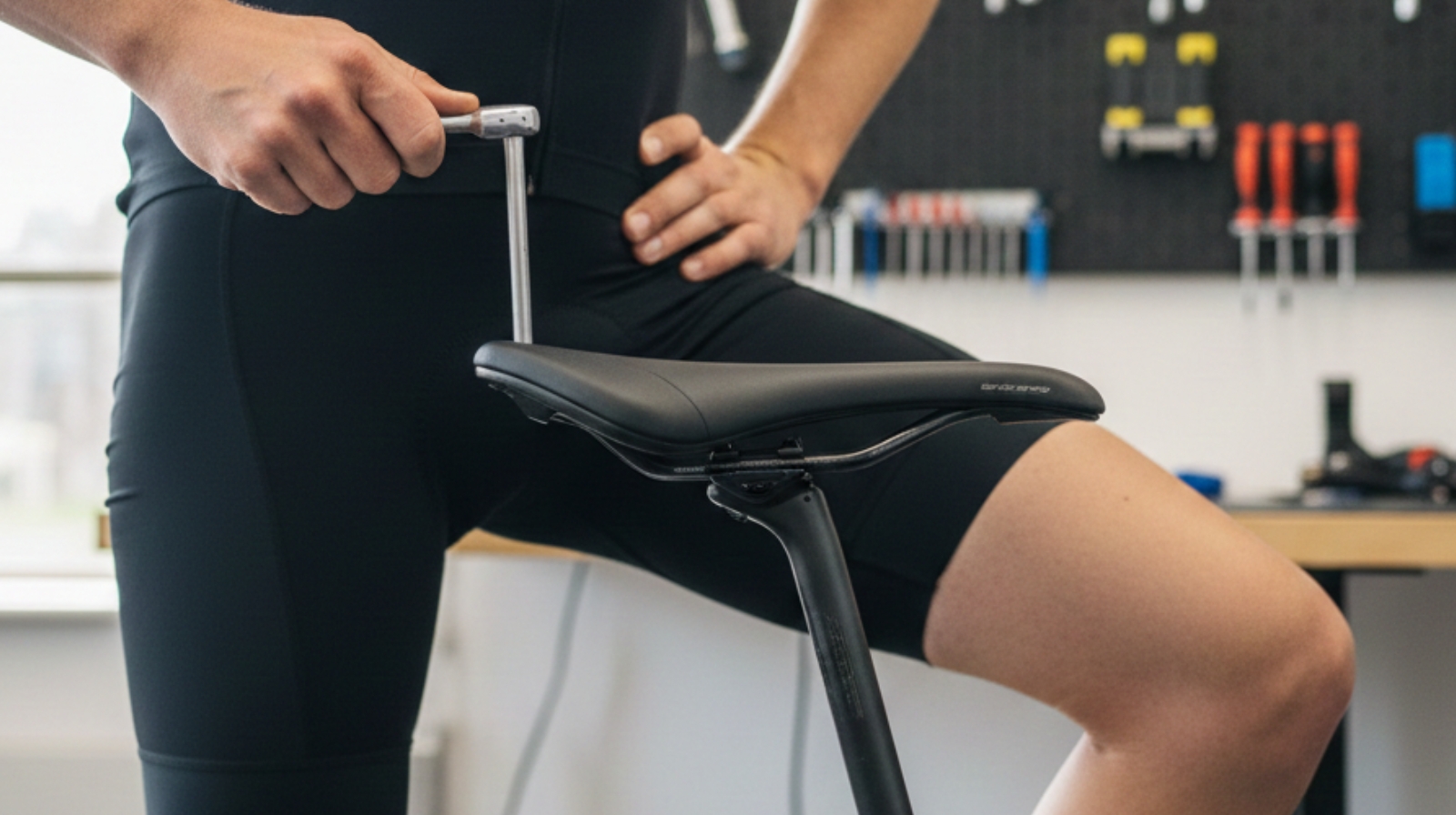
Numbing cream should never be your main plan. Most buttock pain improves when you adjust fit, improve skin care, and build comfort in the saddle.
Helpful steps include:
- Using a quality chamois and proper shorts
- Picking a saddle that matches your sit bone width
- Keeping the saddle level and at the right height
- Adding rest days when the skin feels tender
- Using ice packs after tough rides
- Stretching the hips and glutes
- Working on posture and core strength
If pain keeps coming back, these changes make a bigger difference than any topical product.
Professional Services That Fix Root Causes
When pain becomes a pattern, the smartest move is to get tailored help. These services often solve the problem faster than trial and error.
- Recurrent chafing or saddle sores
Recommended:Bike fit or saddle fitting
A proper fit adjusts saddle width, tilt, and position so pressure spreads evenly. This lowers friction and reduces the need for numbing creams. - Deep buttock or nerve-like pain
Recommended:Sports medicine or physiotherapy consult
A clinician can check for muscle imbalance, joint issues, or nerve compression linked to your riding position. - Frequent infected or severe saddle sores
Recommended:Dermatology or sports medicine review
These specialists guide safe wound care and decide when antibiotics or other treatments are needed.
If you want long-term comfort, consider booking a saddle pain assessment, bike fitting, or physio session through CA Cycling Hub.
Conclusion
Numbing cream can help with surface-level buttock pain, but it is only one small part of managing saddle discomfort. The most reliable fix comes from improving your bike fit, caring for your skin, and getting a professional assessment when symptoms point to deeper issues. With the right plan, most riders return to pain-free miles without relying on numbing products.