
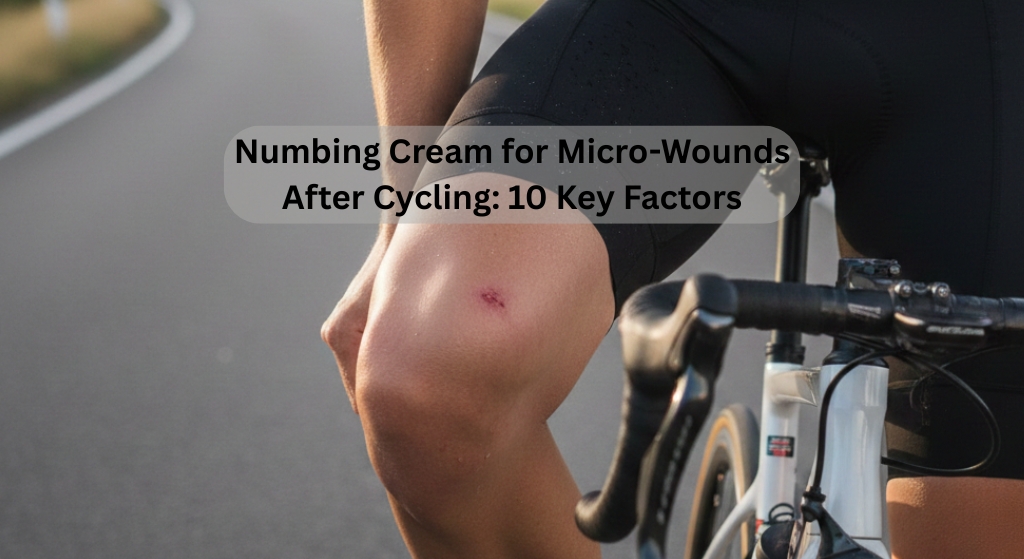
Long rides can leave your skin irritated in ways that surprise you. Even the tiniest abrasion can feel sharp once sweat, pressure, and friction get involved. If you’ve ever stepped off the bike and felt a sting you can’t ignore, you’re not alone.
Numbing cream for micro-wounds after cycling can be a short-term tool to manage pain from small grazes, chafing, and saddle-sore-like skin irritation.
It helps you tolerate cleaning, dressing, and sometimes a brief test ride when pain would otherwise stop you. It isn’t a cure on its own, but can make early care much easier.
This guide walks you through what micro-wounds are, when numbing cream helps, how to apply it safely, and when to book a professional service for tailored care.
Numbing Cream for Micro-Wounds After Cycling: 10 Key Factors
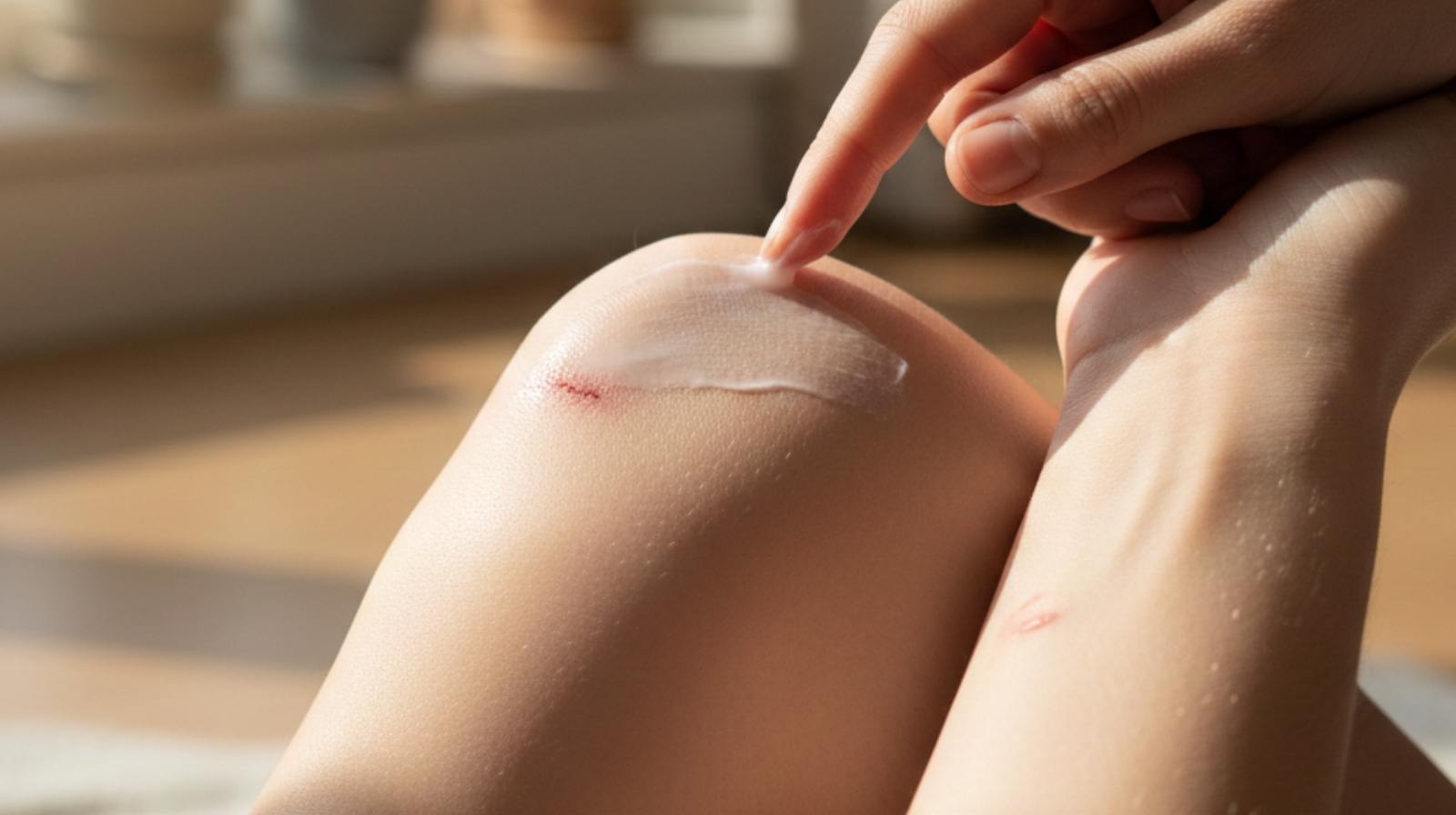
Micro wounds usually show up as small abrasions, grazes, or chafed spots where your skin rubs against the saddle, shorts, or sweat-soaked fabric. They’re tiny but can be surprisingly painful.
Typical spots include:
- Inner thighs
- Perineum
- Buttocks
- Groin
- Any area under the chamois
They hurt more than their size suggests because these regions have high nerve density and stay warm, moist, and compressed on the bike.
When numbing cream is appropriate
Numbing cream helps when pain limits your ability to clean or dress the wound. It works best for shallow, uncomplicated skin irritation.
It can be useful for:
- Superficial abrasions
- Light grazes
- Chafed skin with minimal bleeding
- Pain that makes cleaning difficult
- Short test rides where you need temporary relief
Avoid numbing cream if:
- The wound is deep
- Bleeding is heavy
- You see infection signs
- You have allergies to anesthetics
How numbing creams work
Topical anesthetics soften pain by blocking nerve signals in the upper skin layers. The effect stays local and fades after a short period.
Common ingredients include:
- Lidocaine
- Benzocaine
- Tetracaine
- Occasionally, mild antiseptic or antibiotic blends
Most start working within minutes and provide temporary comfort for cleaning or light movement.
Pre-application assessment after a ride
Before applying anything, look closely at the irritated area. The goal is to tell simple friction wounds from early saddle sores or deeper problems.
Red flags that need medical help:
- Pus or drainage
- Firm swelling or lumps
- Fever
- Deep or throbbing pain
- Rapid worsening
Then decide if continuing to ride is safe or if rest is the better choice. A short break can prevent a minor issue from escalating.
Step-by-step application process
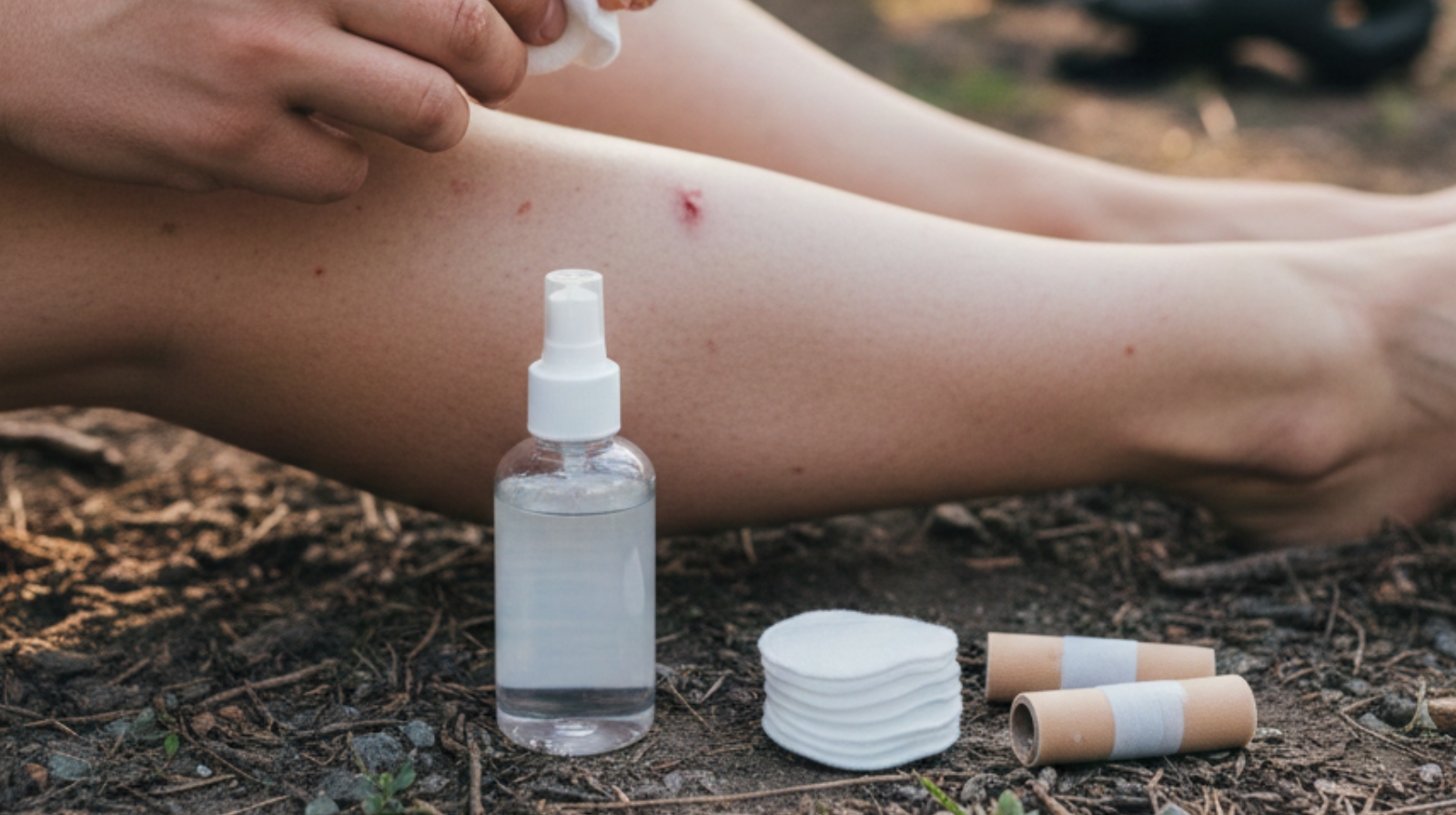
Start with a simple wash to remove sweat, grime, and bacteria. Pat the skin dry without rubbing.
Apply numbing cream by:
- Using a thin layer
- Staying within the surface area listed on the label
- Avoiding open or bleeding skin if the product warns against it
After application:
- Let the cream sit for the recommended time
- Decide whether to cover the area with a light dressing
- Check that clothing won’t rub the spot if you plan to ride
Combining numbing cream with other cycling skin products
Numbing cream is a treatment step, not a preventive one. Chamois creams and anti-chafing balms belong in your pre-ride routine.
You can combine care by:
- Using chamois or anti-chafing balms before rides
- Applying barrier creams like zinc oxide after numbing and cleansing
- Adding healing ointments if your clinician suggests them
Numbing cream doesn’t replace antiseptic care and shouldn’t be used as the only treatment.
Safety, dosing limits, and contraindications
Local anesthetics absorb through the skin, so you want to use the smallest effective amount.
Key safety points:
- Limit frequency of use
- Avoid large surface areas
- Use extra caution on genital or perineal skin
- Stop immediately if irritation increases
- Consult a clinician if you take medications that may interact
Anyone with known anesthetic allergies should avoid these products unless cleared by a professional.
Impact on riding performance and risk masking
Numbing cream can help you finish a light session or test a saddle position when pain would otherwise stop you.
Possible benefits:
- Better comfort on short rides
- Easier post-ride cleansing
- Improved tolerance during dressing changes
Risks include:
- Masking pain that signals deeper irritation
- Riding through a developing saddle sore
- Worsening tissue damage without realizing it
Stop riding and get help if pain returns quickly or the area breaks down again.
Integration into a post-ride care protocol
A complete care routine uses numbing cream as one small part of a larger plan.
A typical sequence includes:
- Assessment
- Gentle cleansing
- Targeted numbing
- Antiseptic or antibiotic ointment if needed
- Barrier cream
- Light dressing
- A short follow-up plan
A professional service can customize products and timing based on your riding style, anatomy, and history with saddle issues. Education is also part of the process, including bike fit, saddle choice, short selection, and daily skin care to reduce future flare-ups.
When and how to book the service
You should book a session when micro wounds keep returning, when the same spot keeps reopening, or when you’re unsure how to manage sensitive skin on your own.
During a session you can expect:
- A private exam
- A tailored pain-relief plan
- Safe product selection
- Clear return-to-ride guidance
Follow-up visits help adjust treatment, track healing, and refine prevention so you rely less on numbing products over time.
Conclusion
Numbing cream can make early care for cycling micro wounds much easier, as long as you use it safely and pair it with cleansing and proper skin protection. When pain persists or the area keeps breaking down, a professional service gives you clear guidance and keeps your riding on track.