

Shin pain can turn a great ride into a frustrating one. Many cyclists deal with that sharp or aching feeling along the front of the lower leg and start looking for anything that brings quick relief. A numbing cream seems like an easy fix, but it is not always the full answer.
Numbing creams can take the edge off by calming pain signals in the skin and nearby tissues. They can help you get through daily tasks or light rides while you sort out what caused the discomfort.
They do not treat the root problem, though, which is often linked to training loads, muscle imbalance, or bike setup.
This guide explains what numbing cream can do, what it cannot do, and how cyclists can use it safely as part of a complete plan to manage shin pain.
Numbing Cream for Shin Pain After Cycling: 9 Factors
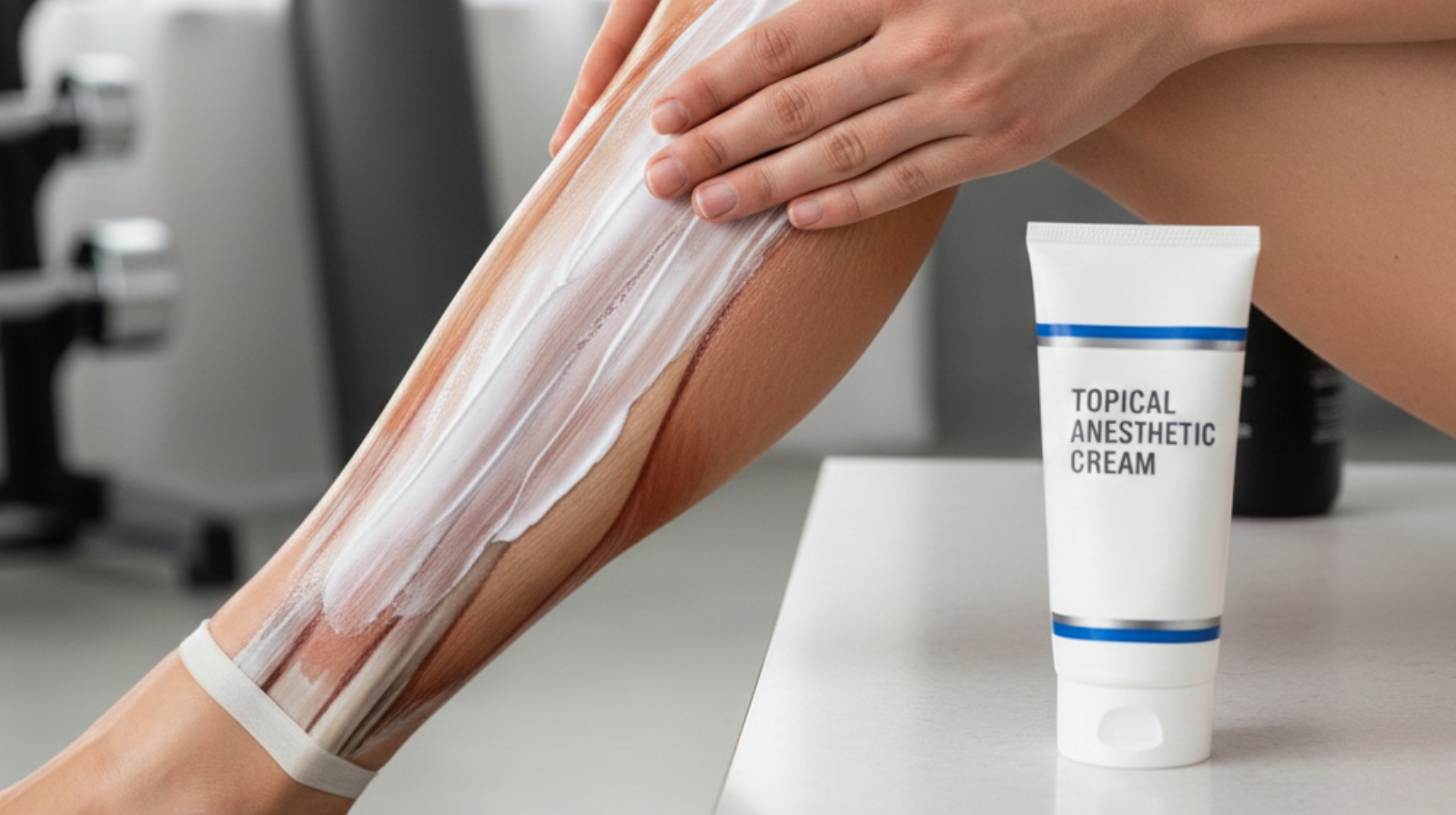
Shin pain after riding usually comes from overusing the muscles and tendons along the tibia. It feels similar to classic shin splints. Cyclists can trigger this through sudden mileage spikes, hard climbs, poor bike fit, or weak calves that shift load to the shin.
Some riders reach for numbing cream because they want to soften the pain so they can ride or function comfortably during the day. That’s understandable, but it helps to know exactly what these creams can and can’t do.
What Numbing Cream Can and Cannot Do
Numbing cream often contains a local anesthetic such as lidocaine. It reduces pain signals in the skin and nearby soft tissues. This can give temporary relief when your shins feel irritated or sore.
What it cannot do is fix the underlying cause. It won’t correct training errors, poor mechanics, tight muscles, or inflammation deeper in the leg. Think of it as a short helper, not the main strategy.
When It Is Appropriate for Cyclists
Most cyclists use numbing cream when the pain is mild or moderate and clearly linked to recent riding load. It works best when a clinician or sports therapist is already guiding your care.
It should not be used when you have:
- Severe pain or swelling
- Redness or heat
- Suspected fracture
- New weakness or numbness
- Pain that gets worse even with rest
These signs call for medical assessment instead of self-treatment.
Types of Topical Products for Shin Pain
There are two main categories cyclists consider. Each works differently and serves a different purpose.
- Local anesthetic creams: Lidocaine-based products create surface numbness within minutes and the effect fades in a short window. They target skin-level discomfort.
- Topical NSAID gels: These include diclofenac or ibuprofen gels. They help reduce inflammation and overall pain. Research supports their use in sports-related overuse injuries and they tend to be better suited for shin strain than numbing alone.
Evidence and Basic Safety
Many studies support topical NSAIDs for short-term relief of sports-related musculoskeletal pain. Evidence for lidocaine in athletic settings is lighter, but it is generally safe when used correctly.
Key safety basics include:
- Follow the dosing on the label
- Avoid broken or irritated skin
- Treat only a small area
- Watch for allergies or skin reactions
- Avoid overuse, which increases the chance of systemic effects
How Cyclists Should Apply Topical Creams
Apply creams with care so you get consistent results and avoid irritation.
- Clean and dry your skin
- Spread a thin layer only over the sore soft tissue
- Avoid open cuts or abrasions
- Wash your hands after applying
If your clinician approves it before a ride, apply it well ahead of time so you know how your body reacts. Keep your ride easy. A numb leg can mask signals your body needs you to hear, which means you could push too hard without realizing it.
Risks of Masking Shin Pain During Cycling
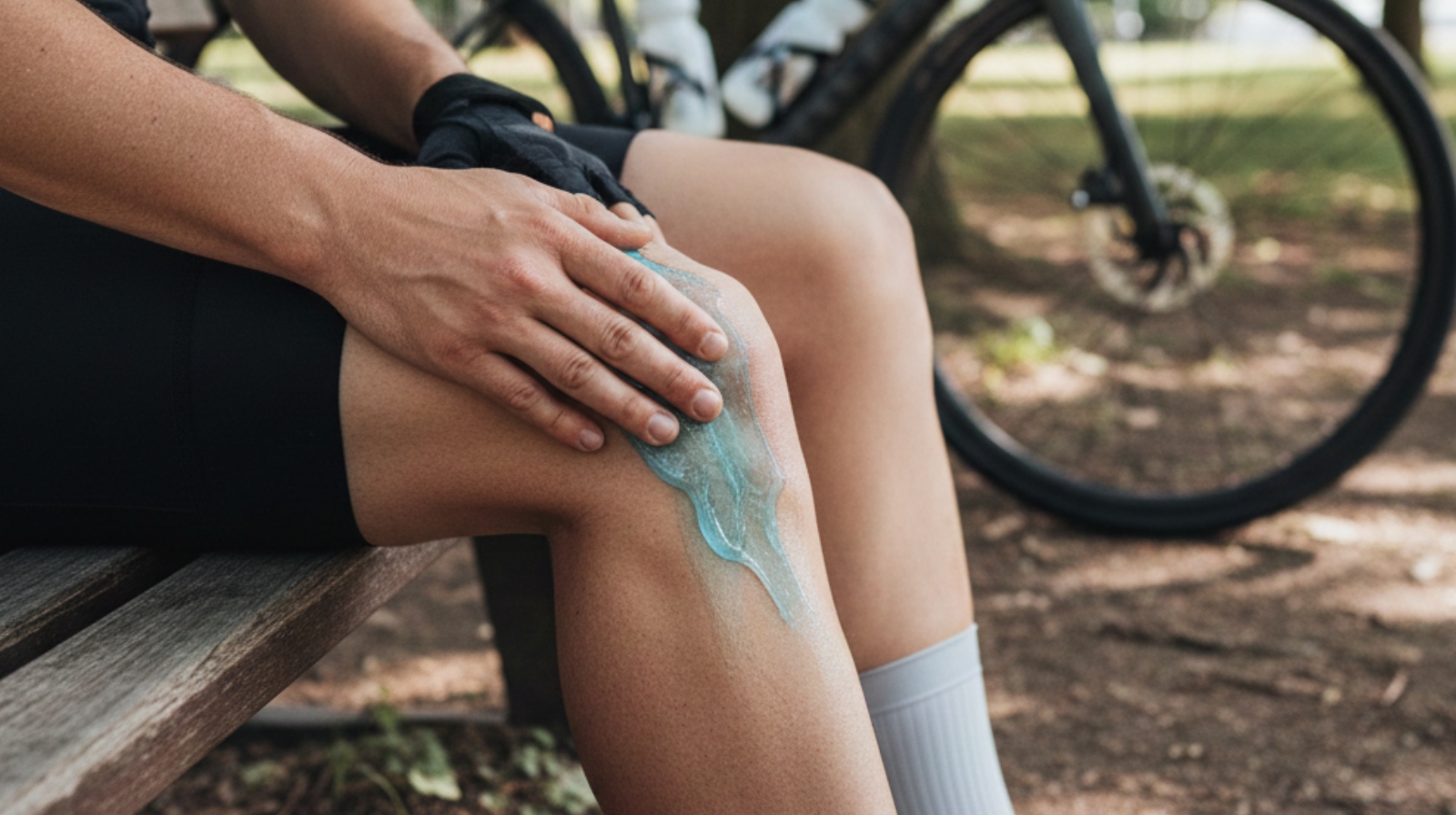
Pain is information. When you numb it, you may keep riding on a leg that needs a break. This can push simple shin irritation toward a stress reaction or even a stress fracture.
If your pain pattern gets worse, becomes sharp, or comes back quickly once the cream wears off, it’s time for a sports-medicine evaluation. Continuing to self-treat at that point can delay proper care.
Fitting Numbing Cream Into a Complete Care Plan
Numbing cream should never be the first or only tool. A full plan for shin pain usually includes:
- Short-term load modification
- Rest days
- Ice after hard efforts
- Calf and shin stretching
- Strengthening for lower-leg muscles
- Bike fit adjustments or cleat alignment changes
Footwear updates or orthotics may also help with shock absorption and lower-leg alignment. A sports physio or podiatrist can guide these decisions.
When to Seek Professional Help
If your shin pain lasts more than one to two weeks despite rest, returns every training block, or interrupts walking, it’s worth booking a professional evaluation. A clinician can rule out stress fractures, compartment syndrome, or nerve issues. They can also build a structured rehab plan, adjust your training load, and guide the safe use of both numbing creams and anti-inflammatory gels.
Conclusion
Numbing cream can give short-term comfort, but it isn’t a fix for shin pain after cycling. The real progress comes from correcting training load, strengthening your lower leg, and adjusting your bike setup. If your pain keeps returning or stops you from riding confidently, a professional assessment is the safest next step.