
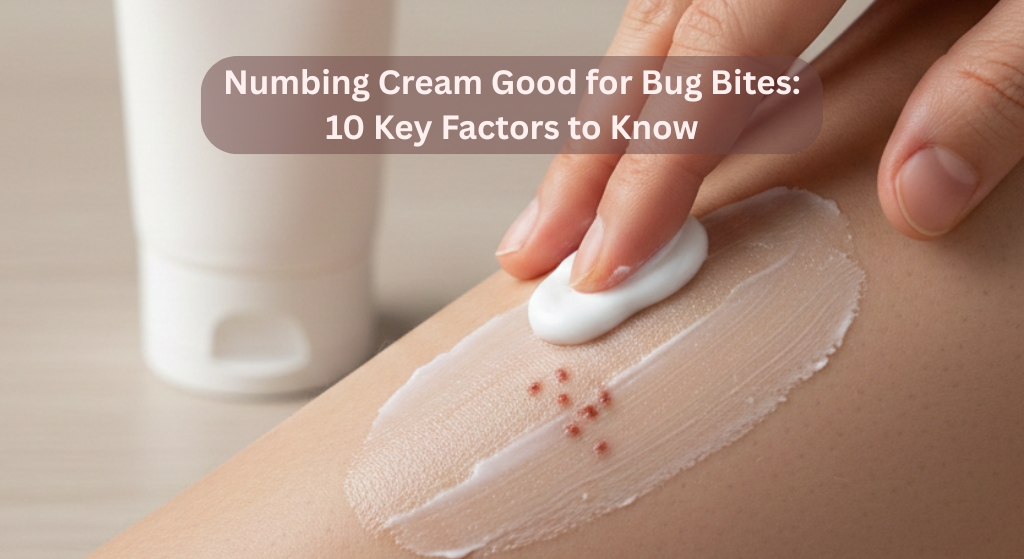
Bug bites can turn a quiet day into hours of itching or burning. Many people reach for numbing creams hoping for fast relief, but it helps to know when they actually work and how to use them safely.
Numbing creams can ease pain and itch from bites for a short time, especially when basic soothing steps are not enough. They work by calming nerve signals in the skin, though they cannot fix the allergic reaction underneath. Used the right way and in the right situations, they can be a helpful part of your care routine.
This guide explains how numbing creams work, when they are useful, how to use them safely, and when to seek professional care.
Numbing Cream Good for Bug Bites: 10 Key Factors to Know
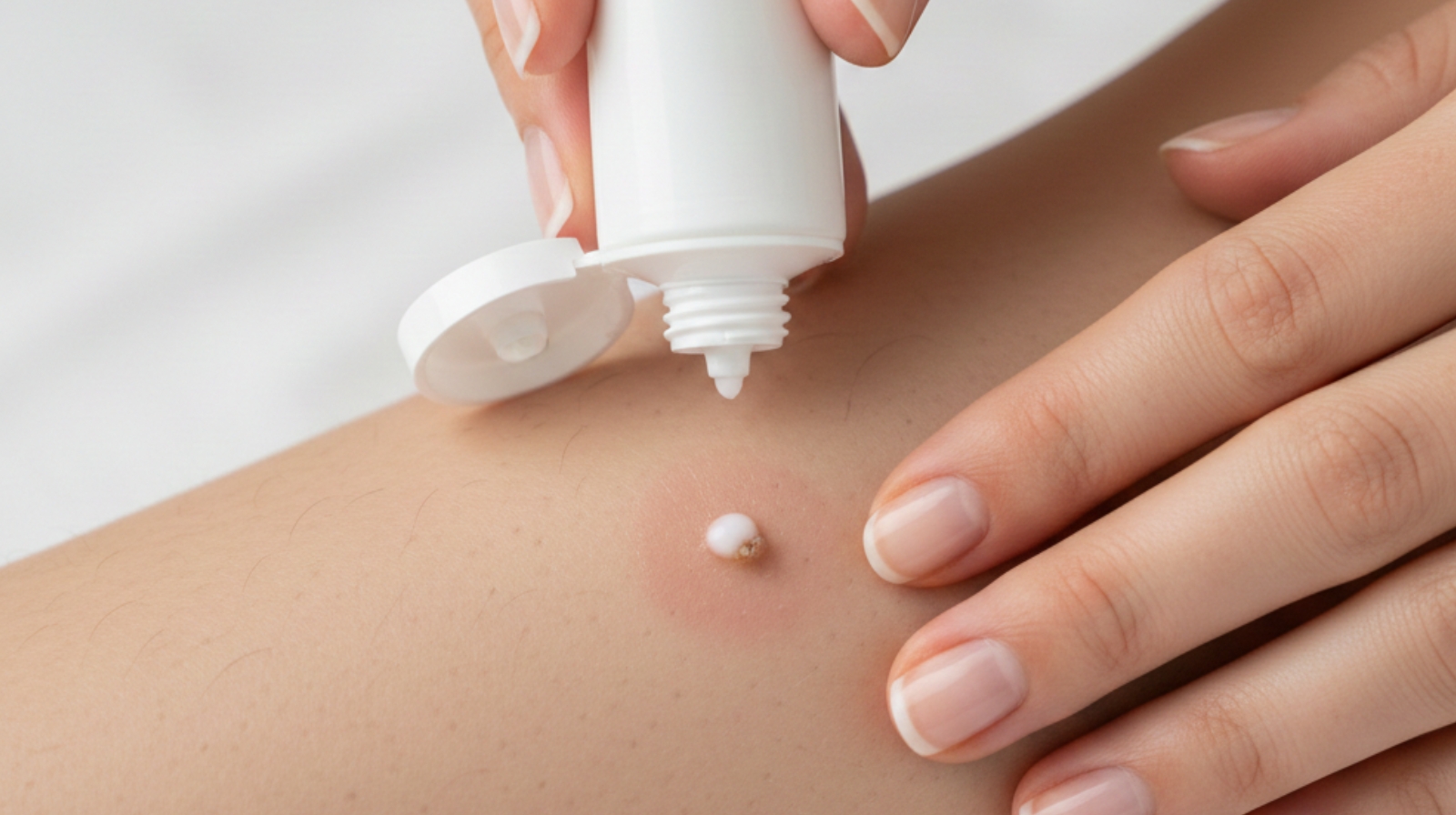
Numbing creams are topical anesthetics made to reduce nerve activity on the skin. Common ingredients include lidocaine, benzocaine, and pramoxine. These products decrease the feeling of itch or pain for a short period of time.
While they ease discomfort, they work differently from antihistamines, hydrocortisone, or soothing lotions. Those products target swelling and the immune response, while numbing creams focus only on sensation.
When Numbing Cream Is Considered Good for Bug Bites
Numbing cream can help when a bug bite causes strong itching, stinging, or burning. It is often used for mosquito bites, flea bites, chigger bites, and mild stings.
It may be helpful for adults and older children who need temporary relief, especially when cool compresses, oral antihistamines, or basic lotions are not enough.
Common Active Ingredients and Their Roles
Numbing creams rely on a few well-known anesthetics that calm nerve activity in the skin. You will often see ingredients such as:
- Lidocaine for quick local relief
- Benzocaine for short-term numbing
- Pramoxine for itch and sting reduction with less chance of irritation
Some products blend these with soothing ingredients like aloe or menthol. Others mix them with antihistamines or hydrocortisone for a broader effect.
How Numbing Creams Help
Numbing creams work by blocking nerve signals that carry itch and pain from the skin to the brain. This brings fast comfort for a short window. They offer helpful benefits:
- Quick relief during the worst moments of itch
- A break in the itch-scratch cycle
But there are limits. These creams do not treat inflammation, stop infection, speed healing, or prevent allergic reactions.
Proper Use on Bug Bites
A numbing cream works best when applied with care. Start with a clean bite area and use only a thin layer. Most over-the-counter products can be used up to three or four times a day. Typical guidance includes:
- Apply only to intact skin
- Use on small areas only
- Avoid more than about seven days of use unless your clinician advises otherwise
Avoid the eyes, mouth, broken skin, or covering the area with airtight dressings unless a professional recommends it.
Age, Skin Type, and Special Populations
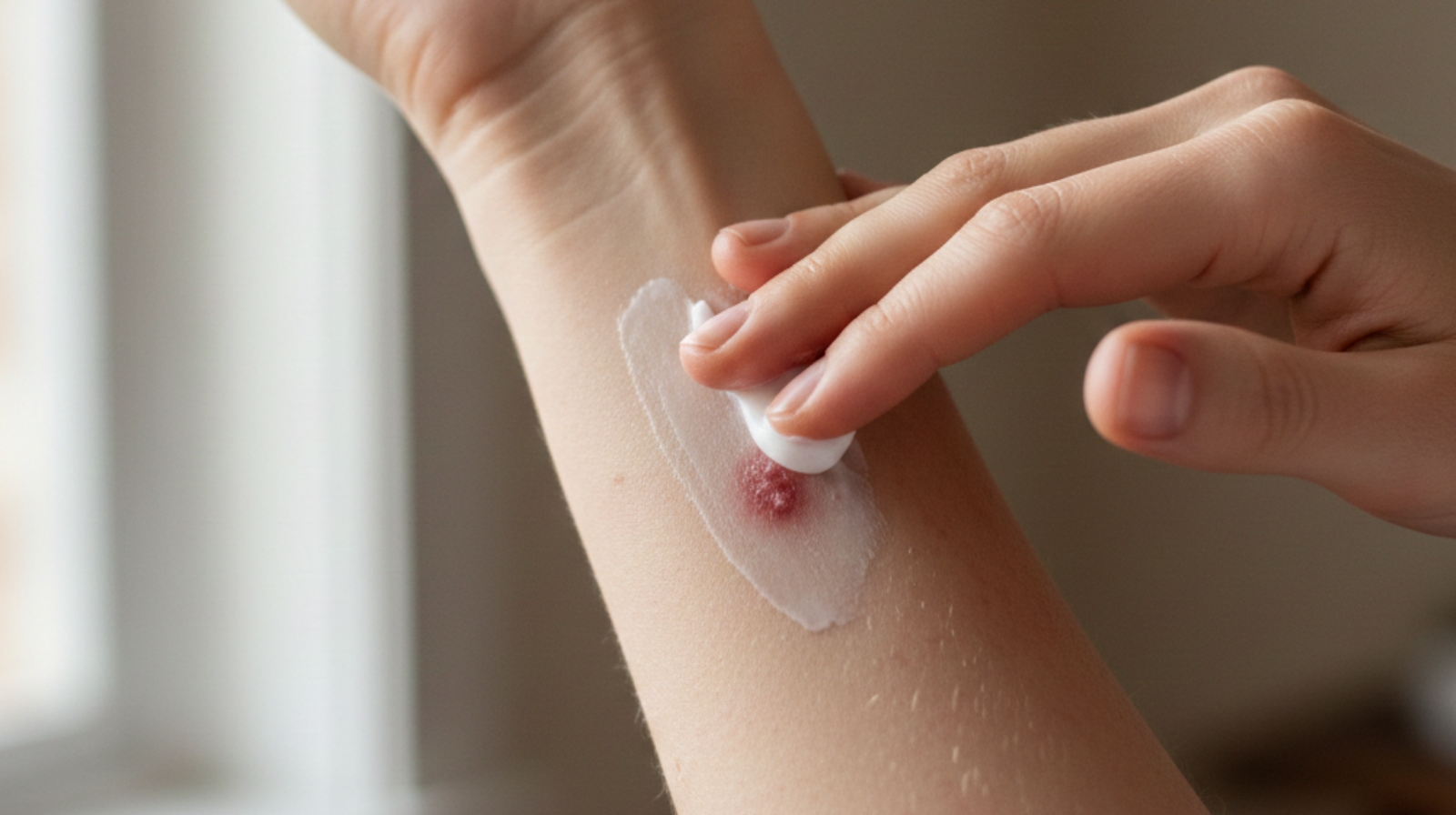
Children under two, pregnant or breastfeeding individuals, and anyone with chronic skin conditions should speak with a clinician before using numbing creams. Their skin can absorb ingredients more easily, which raises the risk of irritation or side effects. In higher-risk groups, use gentle alternatives such as:
- A cool compress
- Oral antihistamines
- A low-dose hydrocortisone cream (with medical guidance)
Safety Risks and When Numbing Cream Is Not Good
Most people tolerate numbing creams well, but side effects can happen. These include stinging, redness, or allergic reactions. Using too much on large areas or damaged skin can increase the chance of systemic toxicity. Benzocaine carries a rare risk of methemoglobinemia, a condition that affects oxygen levels in the blood. People with a history of reactions to topical anesthetics should avoid these products.
Situations Requiring Medical or Emergency Care
Some symptoms after a bite signal more than simple irritation. Seek medical help if you notice:
- Fast-spreading redness or warmth
- Pus, fever, or severe swelling
- Trouble breathing or swallowing
- Swelling of the lips, tongue, or face
If symptoms do not improve or get worse even after using numbing cream and other basic care, reach out to a primary care provider, dermatologist, urgent care, or allergy specialist.
Comparing Numbing Creams with Other Bug Bite Treatments
Numbing creams play a specific role in managing discomfort. Here is how they compare to other common options:
Numbing creams (lidocaine or pramoxine):
- Calm itch and pain sensation
- Work fast but wear off quickly
- Help with comfort but do not treat the cause
Antihistamine creams or lotions:
- Reduce itch by blocking histamine
- Offer steady symptom control
- Work well for allergic-type reactions
Steroid creams (hydrocortisone):
- Decrease inflammation and swelling
- Take longer to work but last longer
- Best used for more inflamed bites with guidance
Service-Oriented Guidance and Next Steps
If you are unsure which numbing ingredient is right for your skin or your type of bite, a pharmacist or clinician can help you compare strengths and formulas. Their guidance is especially helpful for children, sensitive skin, recurring bites, or strong reactions. For ongoing issues or unclear symptoms, a visit to dermatology, allergy care, primary care, or a travel clinic can help you get the safest and most effective treatment plan.
Conclusion
Numbing creams can be a useful way to manage short-term itch and pain from bug bites when used correctly and in the right situations. They offer fast comfort, but they do not replace proper care for infection, inflammation, or allergic reactions. If symptoms change or you are unsure about safe use, reach out to a trusted medical professional.