
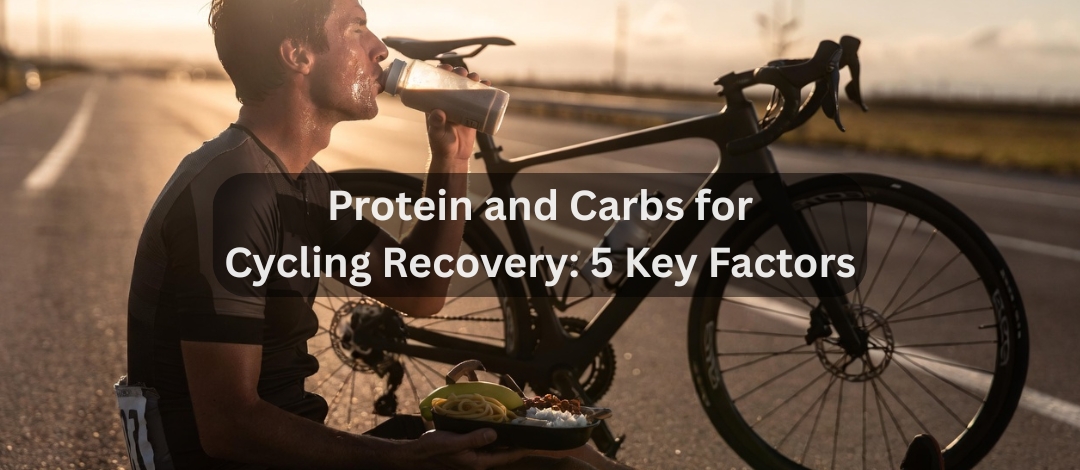
Recovery is where cycling fitness is built. You can train hard, ride long, and hit your power targets, but without the right nutrition afterward, progress stalls fast.
Protein and carbs for cycling recovery work together to refuel muscles, repair training stress, and prepare your body for the next ride. Carbohydrates restore depleted energy stores, while protein rebuilds muscle tissue damaged during training. When timed correctly, they reduce fatigue and support consistent performance.
This guide breaks down how carbs and protein support recovery, how much you need, when to take them, and how to use both together for the best results.
Protein and Carbs for Cycling Recovery: 5 Key Factors

Carbohydrates are the main fuel source used during cycling, especially during long or intense rides. After training, your body’s top priority is replacing the energy it burned.
Glycogen is stored in your muscles and liver, and once it is depleted, performance drops quickly on future rides. Restoring these stores is the foundation of recovery.
Key reasons carbohydrates matter after cycling
- Restore depleted muscle and liver glycogen
- Support repeat performance on consecutive training days
- Reduce lingering fatigue and heavy legs
Recommended carbohydrate intake
- First 0–2 hours post-ride: 1.0–1.2 g per kg bodyweight per hour
- Next 24 hours after hard or long rides: 6–10 g per kg bodyweight total
Best carbohydrate choices
- High to moderate glycemic carbs immediately after riding for fast absorption
- Mixed carb sources later in the day for steady glycogen replenishment
Role of Protein in Cycling Recovery
Cycling may feel low-impact, but it still causes minor muscle damage, especially during climbs, sprints, and long sessions.
Protein supplies the amino acids needed to repair muscle fibers and adapt to training stress. Without enough protein, recovery slows and strength gains suffer.
Why protein matters for cyclists
- Repairs muscle micro-damage from training
- Supports strength, endurance, and tissue resilience
- Helps prevent cumulative fatigue over time
Recommended protein intake
- Post-ride dose: 0.25–0.4 g per kg bodyweight
- Daily total on training days: 1.6–2.2 g per kg bodyweight
Protein quality considerations
- Choose complete proteins that contain all essential amino acids
- Leucine-rich sources are especially effective for muscle protein synthesis
Protein and Carbohydrate Synergy
Carbohydrates and protein work best when consumed together after cycling. Each serves a different role, but their combined effect is greater than either alone.
Carbohydrates trigger an insulin response, which helps drive amino acids from protein into muscle cells. This improves both glycogen storage and muscle repair.
Benefits of combining carbs and protein
- Faster glycogen replenishment
- Improved muscle repair and remodeling
- More efficient nutrient uptake
Optimal post-ride ratio
- Carbohydrate to protein: 3:1 to 4:1
When synergy matters most
- Back-to-back training days
- Multiple rides on the same day
- High-volume or high-intensity training blocks
Timing Strategy Summary
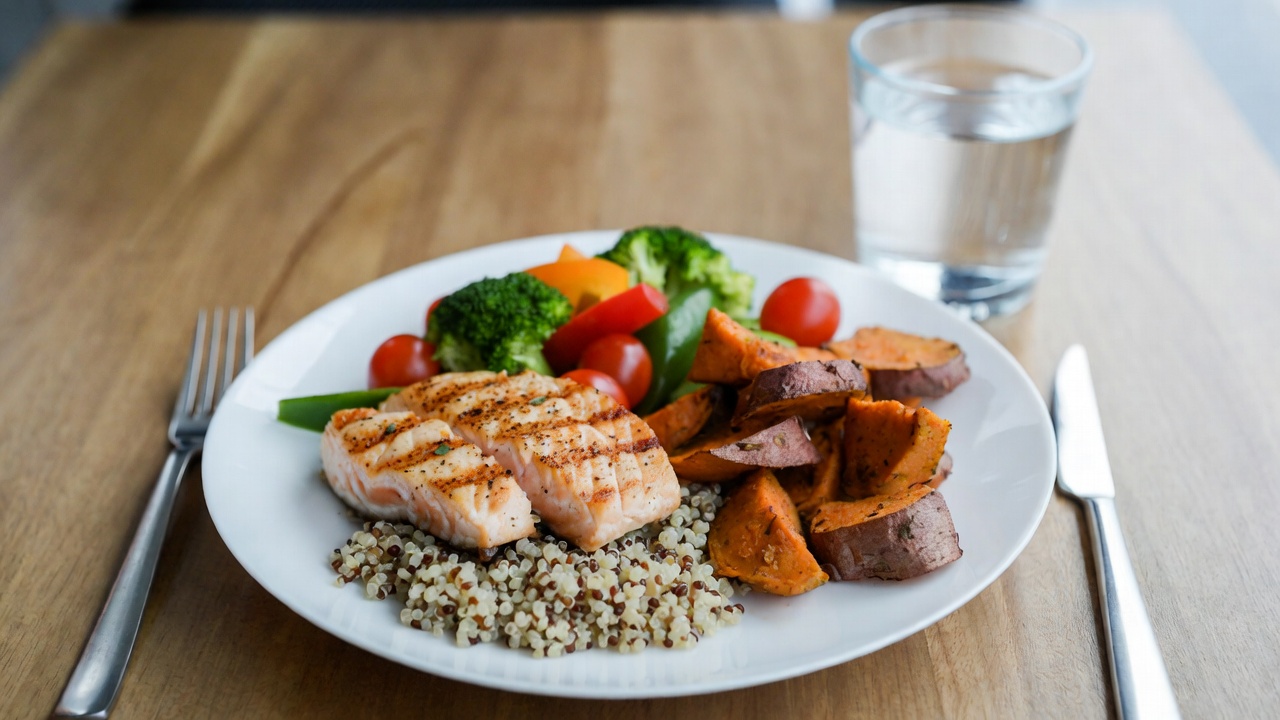
Recovery nutrition works best when spread across the day rather than rushed into a single meal. Timing helps ensure energy and muscle repair keep pace with training demands.
Your body is most receptive to nutrients immediately after exercise, but continued intake matters just as much.
Immediate window
- Fast-digesting carbs paired with protein within 30 minutes
Short-term recovery
- Ongoing carb intake with moderate protein over the next 2–4 hours
Long-term recovery
- Adequate daily carbs and protein across the next 24 hours
Key Recovery Targets
Recovery nutrition should always focus on outcomes, not just numbers. The goal is to feel ready to train again, not simply to hit intake targets.
When protein and carbs are matched to training load, recovery becomes faster and more reliable.
Primary targets
- Carbohydrates: Speed and completeness of glycogen restoration
- Protein: Maximizing muscle protein synthesis and repair
Overall outcome
- Faster recovery
- Improved performance in the next session
- Reduced fatigue accumulation over time
Conclusion
Protein and carbs for cycling recovery are not optional extras. They are essential tools that fuel adaptation, protect performance, and keep fatigue from piling up. When you prioritize timing, quantity, and balance, recovery becomes a competitive advantage rather than a weak link.