
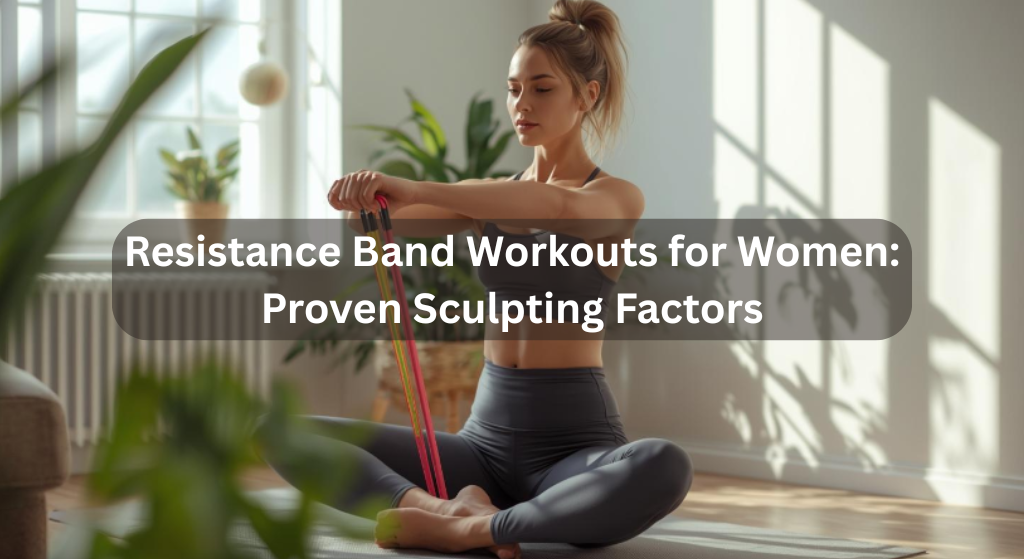
Resistance bands might look simple, but they have quietly become one of the most effective tools for shaping the female body. They fit in a drawer, travel anywhere, and somehow manage to deliver a burn that rivals much heavier equipment. That mix of simplicity and effectiveness is exactly why so many women are rethinking how they train.
Resistance band workouts for women are a smart way to build lean muscle, improve curves, and protect joints at the same time. Bands create increasing tension as you move, which challenges muscles without overloading them.
This leads to firm glutes, toned arms, and a tighter core without the bulk many women worry about. Because the resistance adapts to your strength, bands also help activate muscles that traditional weights often miss, especially around the hips and waist.
This article breaks down why bands work, what equipment you need, and how to use them to sculpt your glutes, legs, arms, and core while avoiding common mistakes
Resistance Band Workouts for Women: Proven Sculpting Factors
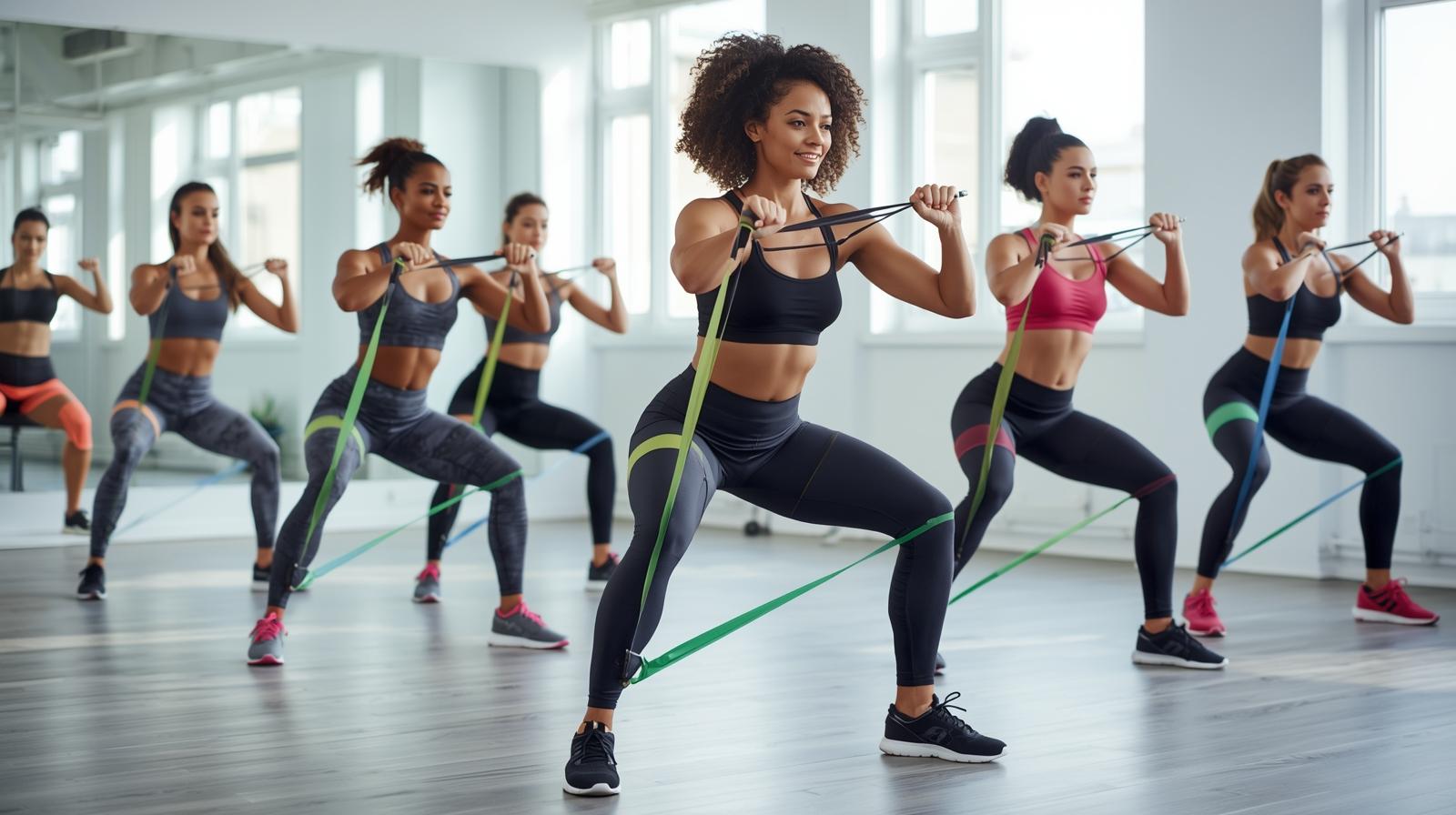
Resistance bands challenge your muscles in a smarter way than traditional weights. Instead of a constant load, tension increases as you move, which matches natural strength curves.
This matters for women because it supports lean, dense muscle tone without excessive joint strain.
Key reasons bands work so well include:
- Variable resistance that peaks at the strongest point of a movement
- Lower joint stress compared to heavy barbells
- Better muscle engagement throughout each rep
Bands also shine when it comes to glute development. They force the knees outward during lower body work, activating the glute medius and minimus. These side glute muscles create roundness and hip curves that dumbbells often miss.
The Sculpting Kit You Actually Need
You do not need a full gym to get results from resistance band workouts. A simple setup covers everything from glutes to shoulders.
Each tool has a specific purpose, and using the right one makes a big difference.
Essential pieces include:
- Mini-loop bands for hips, glutes, and thighs. Fabric bands are best because they stay in place and do not roll.
- Long power loops for rows, deadlifts, and assisted pull-ups. These allow full-body pulling movements.
- Tube bands with handles for upper-body isolation, like curls and presses, that feel more like gym machines.
Having multiple resistance levels is important, especially for lower-body training where strength is higher.
The Hourglass Glute and Leg Routine
This routine focuses on lifting the glutes and shaping the thighs without overloading the quads. Bands keep tension where you want it and reduce knee strain.
Move slowly and focus on control rather than speed.
Banded Glute Bridges with Abduction
- Mini-band goes just above the knees.
- Lift hips, push knees outward against the band, then lower with control.
- This targets the upper glute shelf that creates a lifted look.
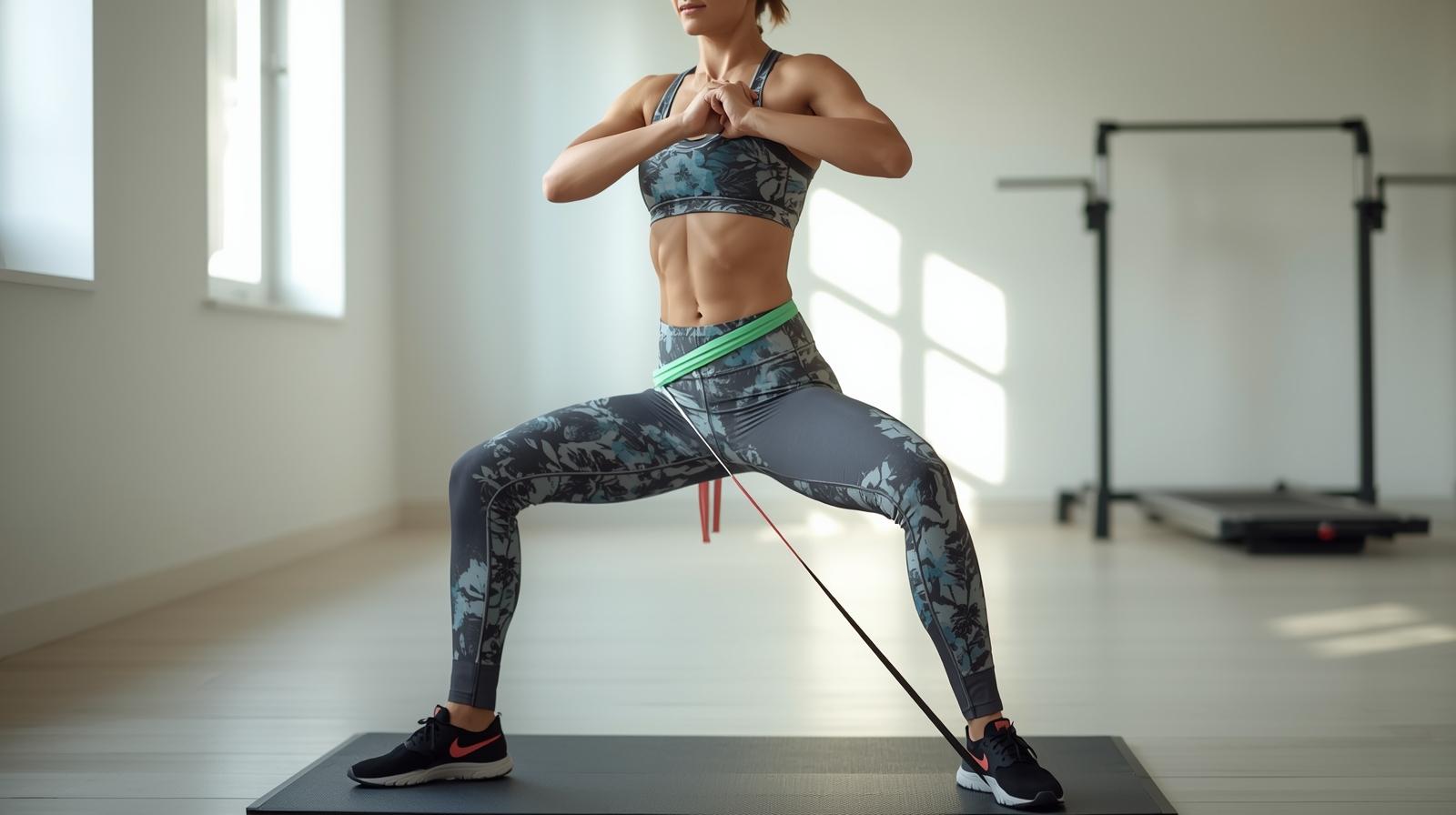
Monster Walks
- Place the band around the ankles for more challenge or above knees for easier tension.
- Stay in a slight squat and step sideways with control.
- This hits the side glutes that shape hip curves and reduce saddlebag appearance.
Donkey Kicks
- Loop the band around one foot and anchor it under the opposite knee.
- Kick the heel toward the ceiling without arching the lower back.
- This isolates the glute without loading the spine.
The Sleek Arms Upper Body Routine
Upper body band work builds shape and definition while improving posture. The goal is firmness and balance, not bulky arms.
Keep movements smooth and focus on squeezing at the end of each rep.
Tricep Kickbacks
- Stand on the band and hinge forward slightly.
- Hold the band close to the hip and extend the arm back until straight.
- Pause for two seconds to fully engage the triceps.
Postural Pull-Aparts
- Hold the band at chest height with palms facing up.
- Pull the band apart until it touches your chest while squeezing shoulder blades.
- This helps reverse rounded shoulders and lifts the chest naturally.
Overhead Shoulder Press
- Stand on the band and press hands overhead.
- Brace your core and avoid arching your lower back.
- This builds shoulder shape without neck or joint strain.
The Cinched Core Finisher
Band resistance turns core training into a waist-shaping tool rather than just ab work. The focus is deep stability muscles that support a tapered look.
These movements challenge control, not momentum.
Banded Bicycle Crunches
- Place a mini-band around your feet near the laces.
- Perform slow bicycle motions while fighting the band’s pull.
- This increases tension through the entire core.
Pallof Press
- Anchor the band at chest height.
- Hold the handle close to your chest, press straight out, and hold for three seconds.
- Resist twisting as the band pulls you sideways.
- This tightens the waist by activating the transverse abdominis.
Common Mistakes Women Make With Bands
Resistance bands are simple, but small errors can limit results. Fixing these issues leads to faster progress and better muscle tone.
Watch out for these common problems:
- Using bands that are too light, which builds endurance instead of shape. Lower body work often needs heavy resistance.
- Letting knees cave inward during squats or bridges, which reduces glute activation and stresses joints.
- Rushing the release phase of movements instead of controlling the band on the way back. That slow return is where toning happens.
Conclusion
Resistance band training offers a powerful yet approachable way for women to shape their bodies with intention. By using variable resistance, focusing on control, and choosing the right band strength, you can build lifted glutes, sleek arms, and a stronger core without stressing your joints or chasing heavy weights. When used consistently and correctly, bands stop being a “light workout” option and become a reliable system for real, visible results that fit into any lifestyle.