
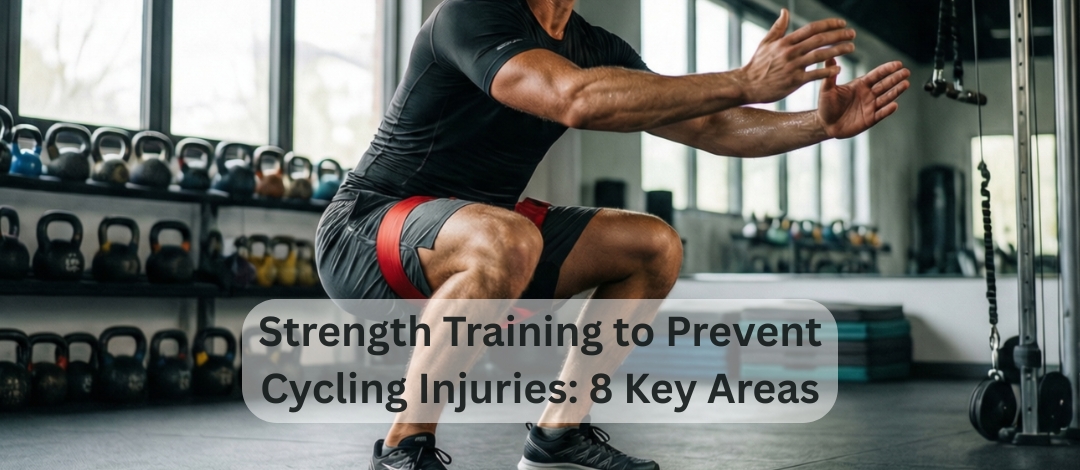
Cycling is smooth, powerful, and repetitive. That combination is great for speed but tough on the body when the same muscles do all the work, ride after ride.
Strength training to prevent cycling injuries works by supporting the muscles and joints that cycling alone does not fully train. It helps correct imbalances, protects joints from overload, and spreads force more evenly through the body so small issues do not turn into chronic pain. Riders who train off the bike often experience fewer aches, better control, and more consistent performance.
This guide explains why strength training matters for cyclists, which muscles protect you most, and how to integrate it safely into your riding routine.
Strength Training to Prevent Cycling Injuries: 8 Key Areas
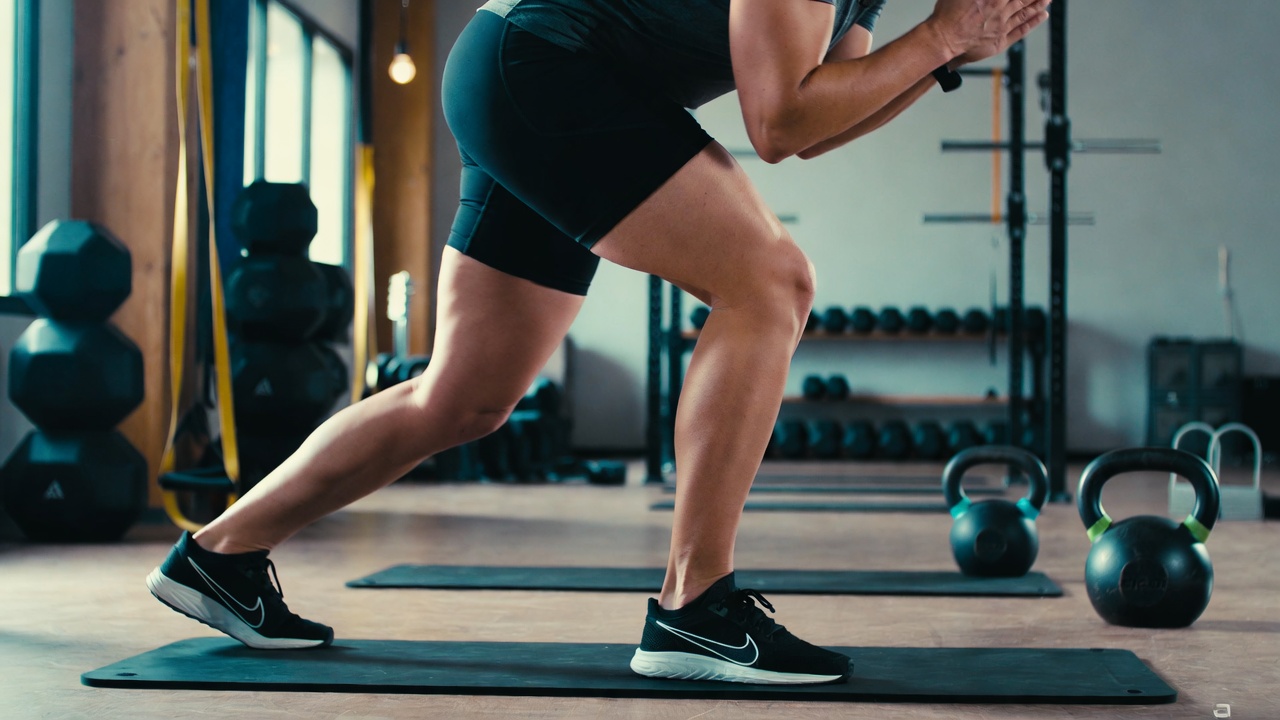
Cycling repeatedly stresses the same movement pattern, which can quietly lead to weakness and imbalance over time. Strength training fills those gaps, keeping the body resilient.
Key benefits include:
- Correcting muscular imbalances caused by repetitive pedaling
- Improving joint stability under sustained cycling loads
- Distributing force more evenly to reduce overuse injuries
When muscles share the workload properly, joints move better, and pain is far less likely to appear.
Common Cycling Injuries Linked to Weakness
Many cycling injuries are not caused by riding itself but by muscles failing to support the joints under load. Weak or undertrained areas force other tissues to compensate.
Common issues include:
- Knee pain, including patellofemoral pain and IT band irritation
- Lower back pain from poor trunk support
- Hip pain linked to weak stabilizers
- Neck and shoulder strain from limited postural endurance
- Achilles and calf problems due to ankle instability
Strength training addresses the root causes rather than just the symptoms.
Key Muscle Groups That Prevent Cycling Injuries
Injury prevention depends on building strength, where cycling alone cannot. These muscle groups provide control, alignment, and stability.
Lower Body Stabilizers
Strong legs are not just about power. Stability matters just as much.
Key muscles include:
- The gluteus maximus is for power production and knee alignment
- Gluteus medius for pelvic stability and proper knee tracking
- Quadriceps for controlled knee extension
- Hamstrings for knee protection and smooth pedal recovery
- Calves, including gastrocnemius and soleus, for ankle stability
Core Musculature
A stable core allows efficient force transfer and protects the spine during long rides.
Important core muscles include:
- Deep core muscles, especially the transverse abdominis, for spinal support
- Obliques for rotational control and posture
- Erector spinae for sustained trunk stability
Upper Body Support Muscles
Upper body strength helps maintain posture and reduces strain during long hours on the bike.
Key areas include:
- Scapular stabilizers, such as mid and lower traps and rhomboids
- Shoulders, especially the rotator cuff
- Arms, including triceps and forearms, for steady handlebar control
Strength Training Principles for Injury Prevention
How you train matters more than how much you lift. Injury prevention depends on control and consistency.
Effective principles include:
- Using unilateral exercises to correct side-to-side imbalances
- Prioritizing controlled movement rather than heavy loads
- Maintaining proper alignment at the hips, knees, and spine
- Working through full, pain-free ranges of motion
- Progressing gradually to avoid overload
Strength training should support riding, not compete with it.
Essential Strength Training Exercises
The best exercises are simple, repeatable, and focused on control.
Lower Body
Lower body movements should build strength while reinforcing proper alignment.
Effective options include:
- Squats, both bilateral and single-leg
- Lunges, including forward, reverse, and lateral variations
- Step-ups for single-leg stability
- Hip thrusts or glute bridges
- Romanian deadlifts for posterior chain strength
Core
Core exercises should resist movement rather than create it.
Useful exercises include:
- Planks and side planks
- Dead bugs
- Bird dogs
- Pallof presses
Upper Body
Upper-body work focuses on posture and endurance rather than on size.
Strong choices include:
- Rows, using cables or dumbbells
- Face pulls
- Push-ups
- Overhead carries
Injury-Specific Strength Focus
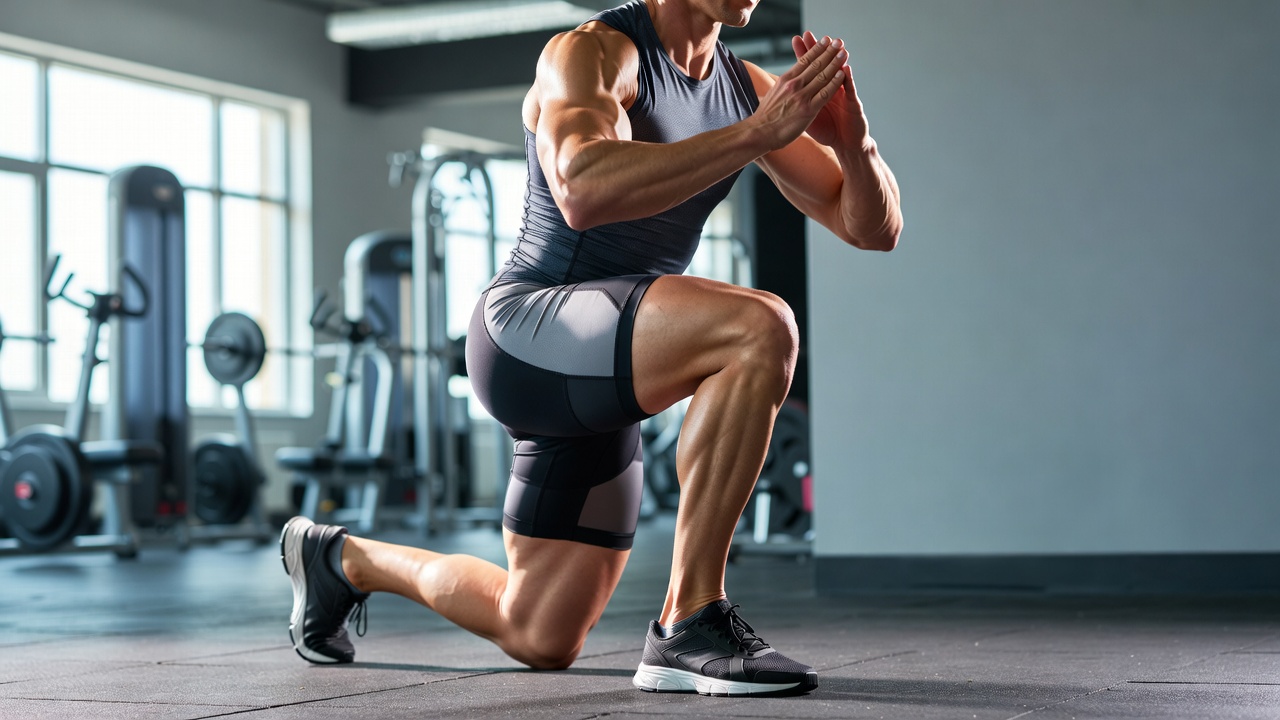
Targeted strength work helps reduce risk in vulnerable areas.
Knee Injury Prevention
Knees benefit from better hip control and single-leg strength.
Key focuses include:
- Glute medius strengthening
- Single-leg control exercises
- Eccentric quadriceps work
Lower Back Injury Prevention
The lower back needs stability more than mobility.
Helpful approaches include:
- Anti-extension and anti-rotation core exercises
- Hip hinge strengthening to offload the spine
Neck and Shoulder Injury Prevention
Postural fatigue is a major contributor to upper-body discomfort.
Effective strategies include:
- Scapular retraction and depression exercises
- Postural endurance training to maintain riding position
Integration With Cycling Training
Strength training works best when it fits naturally into your riding schedule.
Practical guidelines include:
- Training two to three times per week
- Performing sessions off-bike or after easy rides
- Reducing volume during peak cycling phases
- Maintaining strength work year-round for long-term injury prevention
Consistency matters more than intensity.
Indicators of Effective Injury-Prevention Strength Training
Progress is not just measured by heavier weights. The body gives clear signals when training is working.
Positive signs include:
- Reduced pain or discomfort during rides
- Improved stability during single-leg movements
- Better posture on the bike
- Greater tolerance to increased training volume
Conclusion
Strength training to prevent cycling injuries is about building a body that supports the demands of riding. By strengthening key muscle groups, improving control, and training consistently, cyclists can ride longer, recover faster, and stay pain-free throughout the season.