

Saddle discomfort can turn a good ride into something you want to escape from. Many cyclists look for quick ways to ease the pressure, and numbing cream often comes up as an option. Before using it, it helps to understand what it can actually do for your body on the bike.
Numbing cream can take the edge off mild irritation by reducing how strongly your nerves react to pressure and friction. It offers temporary relief, but it is not a cure for poor fit, bad posture, or developing sores. Used the right way, it may give you a short break from discomfort during long rides, but it should never hide real pain that needs attention.
This guide walks you through how numbing cream works, when it helps, when it doesn’t, and safer alternatives to consider.
Using Numbing Cream for Saddle Discomfort: 7 Key Factors
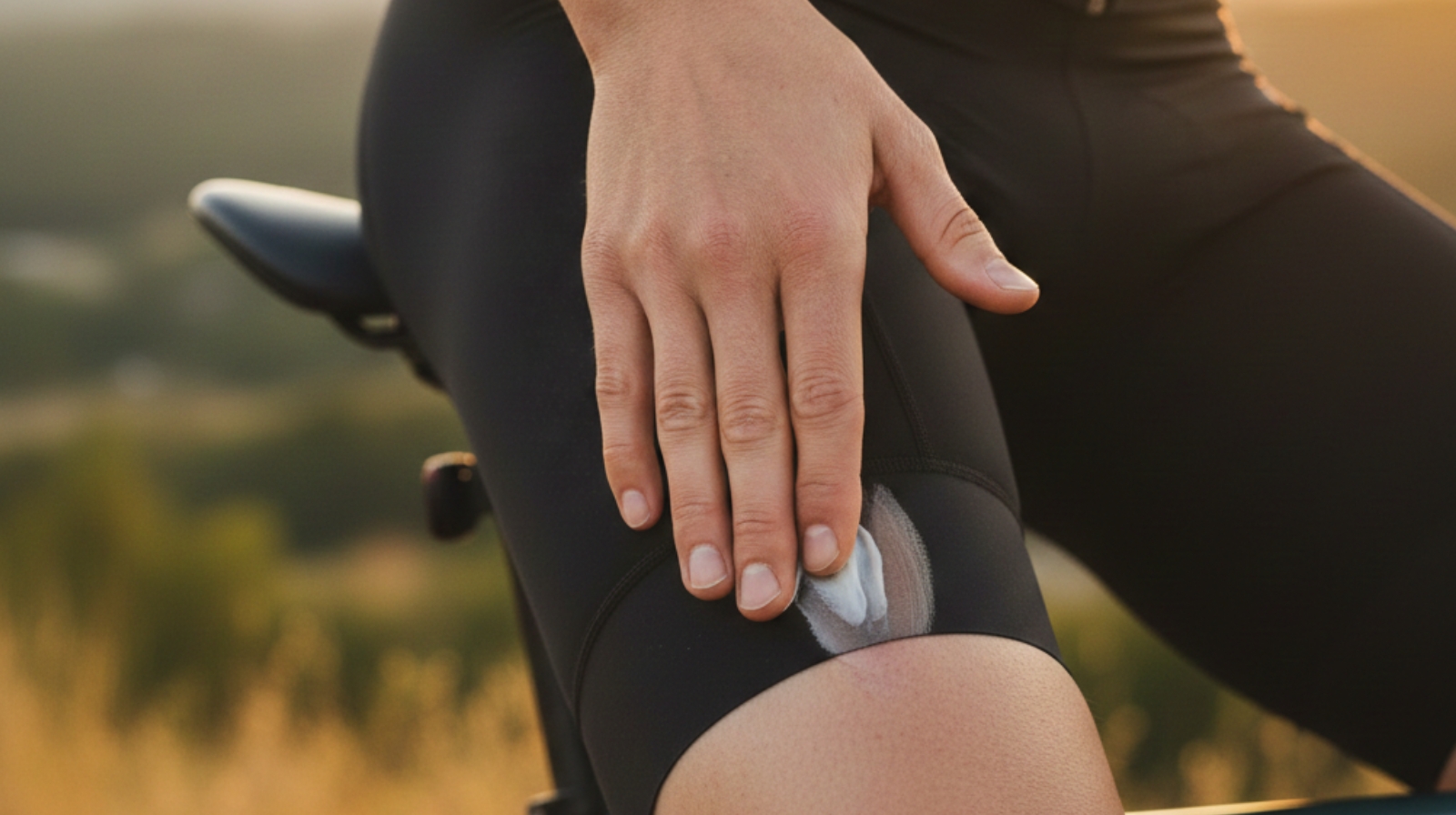
Many riders use numbing cream to reduce irritation in areas that take the most pressure from the saddle. It is a topical product that dulls sensation on the skin. Some cyclists consider it when normal chamois cream isn’t enough. Others try it while training for long events or during long back-to-back rides. It is usually applied before the ride to help ease tenderness in high-friction spots.
How Numbing Cream Works
Numbing creams lower how strongly your nerves react to contact. This creates a mild reduction in feeling on the skin.
Most products rely on lidocaine or benzocaine. These ingredients start working within minutes and often last one to two hours.
Numbing cream can help with surface tenderness, but it cannot fix issues like poor saddle shape, wrong fit, or deep tissue pressure. It also cannot stop problems caused by long-term friction.
When Numbing Cream May Be Helpful
There are times when numbing cream offers short-term comfort. Many distance riders use it when the miles start to add up and irritation becomes distracting.
It may also help with light rubbing in areas that tend to flare up on long climbs or warm days.
Situations where it may help include:
- Long-distance rides that create extra pressure
- Minor rubbing or tenderness in high-friction zones
- Temporary relief from mild irritation
- Moments when you need a brief comfort boost
When Numbing Cream Is Not Recommended
Numbing cream should not be used to hide real pain. If you have saddle sores, open skin, or clear signs of injury, numbing the area can make things worse.
It is also not a replacement for a proper bike fit or the right saddle.
Reasons to avoid using it include:
- Masking injuries or sores that need rest
- Covering up the effects of poor fit or wrong gear
- Using it to push through pain you should address
- Risk of worsening deeper issues
Proper Application Before a Ride
Start with a small patch test to make sure the product doesn’t irritate your skin.
Use it only on clean, dry skin before getting dressed.
Best practices include:
- Apply a thin layer to the specific area, not the entire region
- Use only the amount recommended on the label
- Apply it about 15 to 20 minutes before your ride
- Avoid sensitive or internal areas where the cream is not meant to go
Safety Precautions and Side Effects
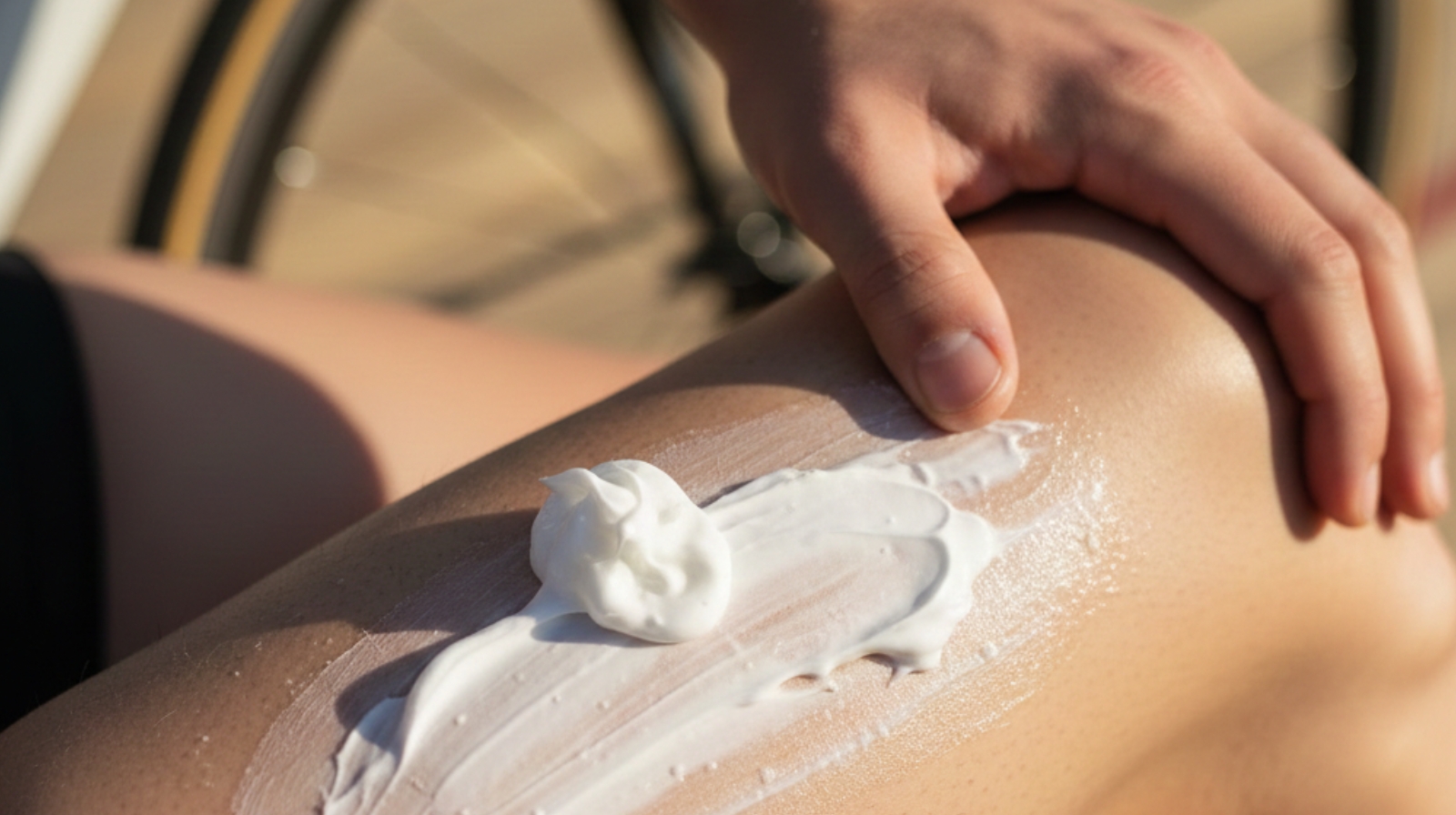
Some riders experience redness or irritation after using numbing cream. Others may feel too little feedback from the saddle, which can lead to poor posture or extra pressure.
Always check the ingredient list if you’ve had reactions to topical products before.
Safety tips include:
- Watch for itching, burning, or unusual redness
- Avoid using large amounts that reduce too much sensation
- Check for allergens like lidocaine or preservatives
- Do not mix with chamois cream unless the product says it’s safe
Alternatives to Numbing Cream
Before turning to numbing cream, it often helps to solve the root cause of the discomfort.
Cycling-specific adjustments usually make a bigger difference.
Helpful alternatives include:
- Adjusting your saddle height or the tilt
- Choosing shorts with better padding
- Trying a saddle with pressure relief channels
- Using high-quality chamois cream
- Improving your posture or core stability
When to Seek Professional Help
If discomfort becomes a pattern instead of a rare annoyance, it’s a sign to get help. Numbness, tingling, or circulation problems are not normal.
A bike fitter can check your setup, and a medical professional can rule out nerve or skin issues.
Seek help if you notice:
- Pain that doesn’t go away after rest
- Numbness during or after rides
- Ongoing soreness despite gear changes
Conclusion
Numbing cream can offer short-term relief when you need a little help getting through a ride, but it should never hide real problems. Fixing the root cause leads to a safer and more comfortable experience. With smart use and a focus on good fit and technique, you can ride longer with fewer issues.