
Recovery used to mean guessing when your body felt ready again. Today, small devices on your wrist, finger, or arm can show what is really happening inside your body after hard training, long rides, or stressful days.
Recovery tracking with modern devices means monitoring signals like heart rate, sleep, and daily activity to understand how well your body is recovering. These tools gather information around the clock and convert it into insights you can use right away. Rather than relying only on how you feel, you gain clear evidence to help decide when to train harder and when to rest. This data-driven approach can lower injury risk, promote consistent progress, and support more informed training choices.
In this guide, you will learn how wearables measure recovery, what the data means, their benefits and limits, and how to use them wisely.
Using Wearables to Track Recovery: 7 Key Insights
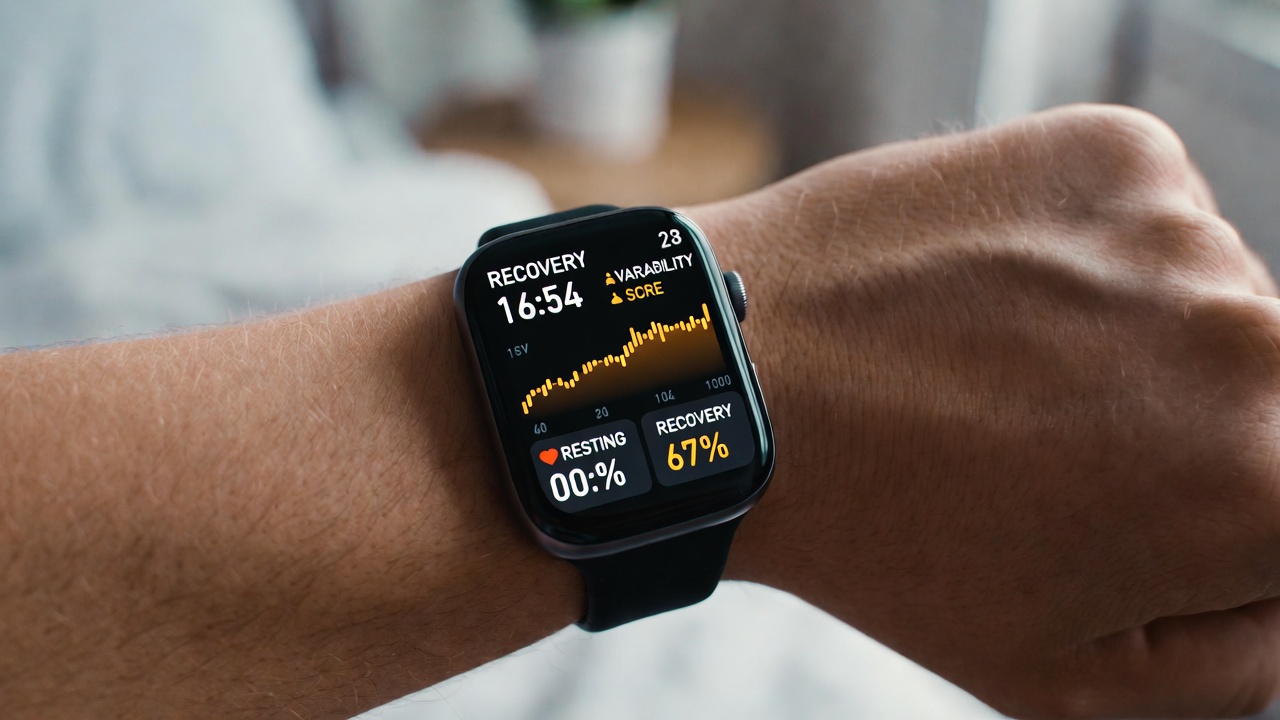
Wearable technology includes smart devices designed to be worn on the body while tracking health and behavior patterns. In recovery, their main purpose is to monitor physical stress and how quickly your body returns to balance.
These devices have become common in sports, cycling, and everyday fitness because they provide continuous feedback without interrupting your routine. From amateur riders to serious athletes, more people now use wearables to make better decisions about rest and training.
Heart Rate Variability
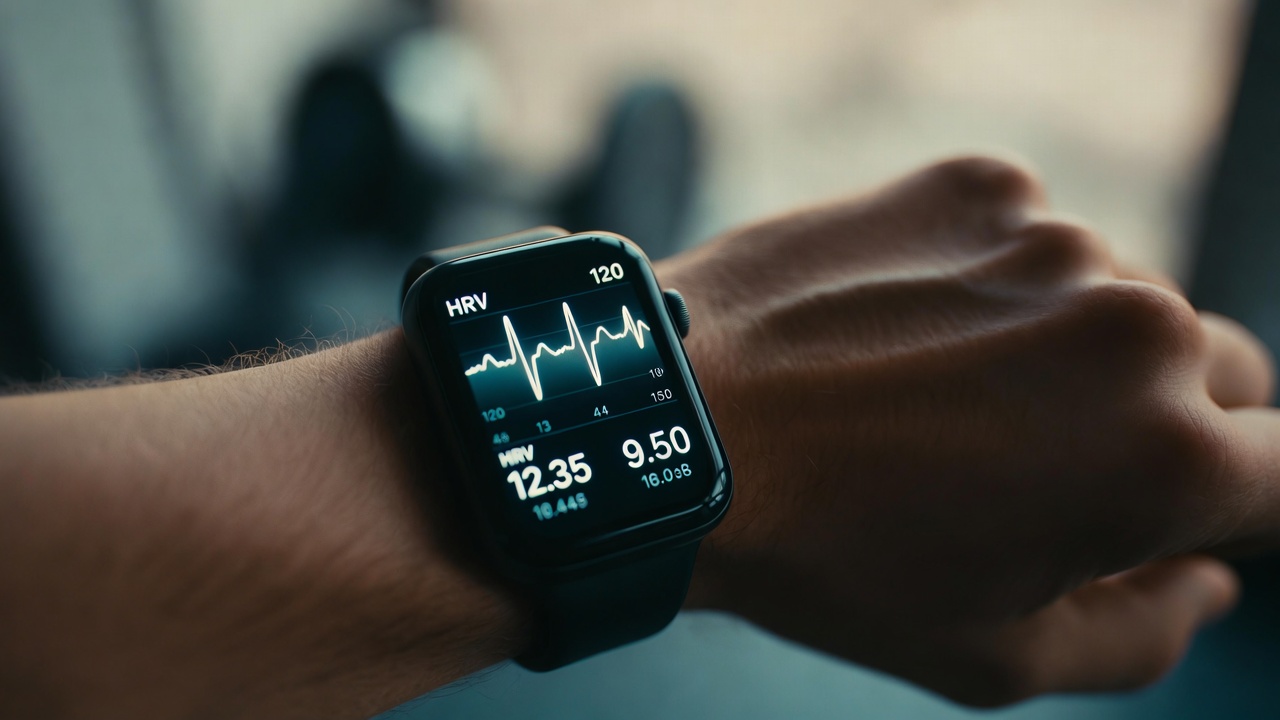
Heart rate variability, often called HRV, measures the tiny time gaps between heartbeats. While it may sound technical, it is one of the strongest indicators of recovery.
A higher HRV usually signals that your nervous system is balanced and ready for effort. A lower trend can suggest fatigue, stress, or poor sleep.
Key points to understand:
- HRV reflects nervous system health, not just heart function
- Upward trends often mean better recovery
- Sudden drops may signal the need for rest
- Consistency matters more than single readings
Watching patterns over time gives a clearer picture than reacting to one low score.
Resting Heart Rate
Resting heart rate is the number of beats per minute when your body is fully relaxed. Wearables typically measure it during sleep or quiet periods.
When recovery is incomplete, your body works harder even at rest, which can raise this number.
Pay attention to these signs:
- A higher-than-normal RHR may indicate fatigue
- Illness or dehydration can also raise it
- Gradual decreases often reflect improving fitness
- Stable readings suggest your recovery routine is working
Think of it as an early warning system that helps you adjust before problems grow.
Sleep Metrics
Sleep is where most recovery happens. Wearables now break sleep into detailed categories so you can see both quantity and quality.
Important sleep metrics include:
- Sleep duration, showing whether you get enough total rest
- Sleep stages, including deep, light, and REM sleep
- Sleep consistency, which tracks bedtime habits
- Night disturbances, such as frequent waking
Poor sleep for several nights often explains low energy, slower reaction time, and weaker performance. Improving sleep is often the fastest way to improve recovery.
Physical Activity Load
Your body responds not just to workouts but to total daily strain. Wearables estimate how much stress your body carries based on movement and intensity.
Common measurements include:
- Training intensity, showing how hard your sessions are
- Daily strain scores, which combine multiple effort signals
- Movement patterns, highlighting sedentary or highly active days
- Recovery balance, comparing effort versus rest
When activity stays high without enough downtime, fatigue tends to build quietly.
Body Signals
Advanced wearables now track subtle body changes that were once available only in labs.
These signals often include:
- Skin temperature shifts, which may hint at illness or stress
- Respiratory rate, reflecting how efficiently your body is working
- Blood oxygen saturation, when supported by the device
- Stress responses, detected through physiological changes
No single metric tells the full story, but together they create a helpful recovery snapshot.
How Wearables Interpret Recovery
Raw data alone is not very helpful. Wearables use algorithms to combine multiple metrics and turn them into simple guidance.
Most devices provide:
- Recovery or readiness scores that estimate how prepared your body is
- Personal baselines created from your normal patterns
- Deviation alerts when something falls outside your range
- Daily summaries that simplify complex data
These insights help remove guesswork, though they should support your judgment, not replace it.
Benefits of Using Wearables for Recovery Tracking
Wearables bring structure to what used to be trial and error.
Major advantages include:
- Objective feedback instead of pure guesswork
- Early signs of overtraining or rising stress
- Personalized insights based on your data
- Automatic tracking without manual notes
For cyclists and endurance athletes, this can mean fewer setbacks and steadier progress across a season.
Limitations and Challenges
Despite their value, wearables are not perfect. Understanding their limits helps you use them wisely.
Common challenges include:
- Accuracy differences between brands and models
- Need for consistent wear to produce reliable trends
- Limited transparency in some scoring algorithms
- Too much data leading to confusion rather than clarity
Treat the numbers as guidance, not absolute truth.
Best Practices for Effective Use
A thoughtful approach makes wearable data far more useful.
Follow these habits:
- Establish a personal baseline before making decisions
- Focus on long-term patterns rather than daily swings
- Combine data with how your body actually feels
- Adjust training and rest when trends signal a need
The goal is smarter recovery, not perfect scores.
Future Directions
Wearable technology continues to evolve quickly, and recovery tracking is becoming more precise each year.
Expect to see:
- More accurate sensors for cleaner data
- AI-driven recovery suggestions tailored to you
- Stronger links with clinical health monitoring
- Expanded biomarker tracking beyond today’s metrics
As technology improves, recovery guidance will likely become even more personal and actionable.
Conclusion
Using wearables to track recovery gives you practical insight into how your body responds to stress, rest, and training. While the data is powerful, it works best when viewed through your personal context. Learn your patterns, stay consistent, and use the information to support healthier, smarter performance.