

Most cycling injuries and slow starts happen in the first few minutes of a ride. Legs feel stiff, breathing feels rushed, and power does not come smoothly. This is often not a fitness issue. It is usually the result of skipping a proper warm-up.
A proper warm-up increases blood flow to muscles, improving power and efficiency. It reduces the risk of strains and overuse injuries.
Gradual effort prepares the heart and lungs for higher intensity. It improves coordination and responsiveness on the bike.
This article explains how a proper warm-up prepares your body, reduces injury risk, and helps you ride stronger from the start.
Why Cyclists Need a Proper Warm-Up: 6 Reasons

Before pushing hard on the pedals, the body needs time to adjust. A warm-up allows internal systems to move into riding mode instead of reacting under sudden stress.
A gradual increase in effort helps the cardiovascular system respond smoothly and efficiently.
- Gradual increase in heart rate and blood flow to avoid sudden spikes in effort
- Improved oxygen delivery to working muscles, supporting steady breathing and endurance
- Activation of neuromuscular pathways specific to cycling helps muscles fire in the correct pattern
This preparation reduces early fatigue and creates a more controlled start to the ride.
Muscle and Joint Readiness
Cold muscles and stiff joints limit movement and efficiency. A warm-up raises tissue temperature and improves how the body moves on the bike.
As muscles warm, they stretch and contract more easily, supporting smoother pedaling.
- Increased muscle temperature for better elasticity, lowering the chance of sudden pulls
- Improved joint lubrication in hips, knees, and ankles, reducing friction during movement
- Enhanced range of motion for efficient pedaling mechanics, allowing full power through each stroke
This readiness makes cycling feel smoother and more comfortable.
Injury Risk Reduction
Many cycling injuries happen when the body is pushed too hard, too soon. A warm-up helps tissues handle load safely.
Preparing the body before intensity reduces unnecessary strain on vulnerable areas.
- Lower risk of muscle strains and tendon injuries, especially in the legs and hips
- Reduced stress on knees and lower back, where repetitive motion can cause irritation
- Better load tolerance at the start of riding, allowing muscles to absorb force properly
This protection is important for both training and recreational rides.
Performance Optimization
A proper warm-up does more than prevent problems. It directly improves how well you ride.
When the body is ready, power and control come sooner and feel more natural.
- Improved power output in early efforts without forcing acceleration
- Better cadence control and pedal smoothness supporting efficiency
- Faster transition to race or training intensity without feeling rushed
Cyclists who warm up properly often feel stronger from the first hard effort.
Energy System Activation
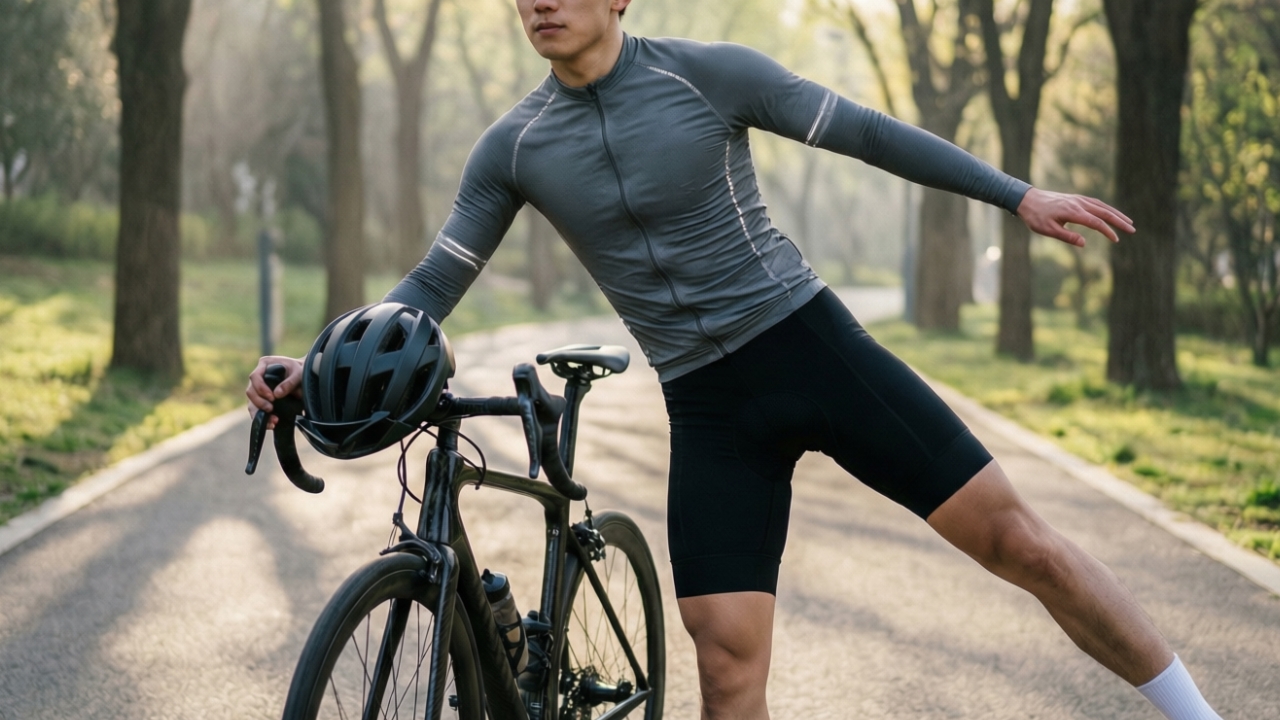
The body relies on different energy systems depending on intensity. A warm-up helps activate the right system at the right time.
Starting too hard without preparation forces the body to rely on inefficient pathways.
- Progressive engagement of the aerobic system supporting sustained riding
- Reduced reliance on anaerobic pathways at the start, lowering early fatigue
- Delayed onset of fatigue during the main ride helps maintain consistent effort
This leads to better endurance and pacing control.
Mental and Technical Readiness
Cycling performance is not only physical. Focus and coordination matter from the first pedal stroke.
A warm-up gives riders time to settle in mentally and technically.
- Improved focus and reaction time supporting safer riding
- Reinforcement of proper posture and technique before fatigue sets in
- Smoother adaptation to terrain and riding conditions, especially outdoors
This mental preparation helps riders feel confident and in control.
Conclusion
A proper warm-up prepares both the body and mind for cycling. It improves comfort, boosts performance, and lowers injury risk. Taking a few minutes to warm up helps every ride start smoother and finish stronger.