
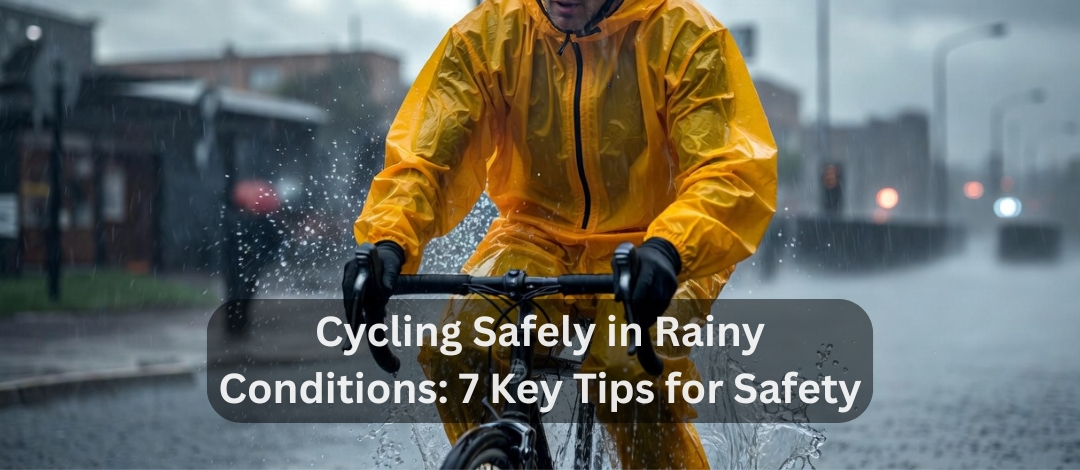
Cycling in the rain can be both refreshing and challenging. While the rain may seem like a minor obstacle, it actually brings about several risks that can make riding less predictable and more dangerous. Wet roads, low visibility, and slippery surfaces can all lead to accidents if you're not careful. But with the right preparation and riding techniques, you can cycle safely, even in the harshest weather conditions.
Riding in the rain requires more than just a positive attitude. It demands that cyclists adjust their gear, techniques, and routes to ensure maximum safety. From properly maintaining your bike to choosing the right routes and adjusting your riding style, there are many factors to consider when cycling in rainy weather. By taking the proper precautions, you'll be able to enjoy your ride safely and confidently.
In this article, we'll guide you through the essential steps to cycling safely in rainy conditions, from preparation before your ride to post-ride care. Whether you're an experienced cyclist or a beginner, these tips will help you navigate wet roads with ease.
Cycling Safely in Rainy Conditions: 7 Key Tips for Safety

Before hitting the road in rainy weather, make sure your bike is ready for the conditions. A little preparation goes a long way in keeping you safe while riding in the rain.
- Check the weather forecast: Make sure to check it before heading out. This will help you anticipate any sudden weather changes. If there’s a chance of heavy rain or thunderstorms, it may be better to postpone your ride.
- Maintain your bike: Your bike’s condition is even more important when cycling in the rain. Wet conditions can cause your bike parts to perform poorly or even break down. Ensure that the brakes are in good condition, tires are properly inflated, and your lights are working. If your bike has fenders, they can help protect you from mud and water splashes.
- Wear appropriate rain gear: Invest in quality waterproof gear, including a jacket, pants, gloves, and shoes. Rainproof attire will help keep you dry and comfortable while you ride. Consider layering so you can adjust to changing temperatures, and remember that your gear should also be breathable to prevent overheating.
- Use reflective clothing: Visibility is crucial in rainy conditions. Wear bright or reflective clothing so that other road users can see you clearly, even in low light or poor weather conditions.
Adjusting Riding Techniques
Riding safely in the rain requires adjusting your techniques to accommodate slippery surfaces and reduced traction.
- Reduce speed: One of the most important adjustments you can make is to slow down. Wet roads can reduce tire grip, making it easier to lose traction. Reducing your speed will give you more time to react if something goes wrong.
- Increase stopping distance: In rainy conditions, your braking distance will be longer. Wet roads reduce the effectiveness of your brakes, so you should leave more space between you and the cyclist or vehicle in front of you.
- Avoid sharp turns and sudden maneuvers: Wet surfaces can cause your tires to slide out from under you if you make sudden movements. Avoid sharp turns and any quick maneuvers that could throw you off balance.
- Ride smoothly: The key to staying safe on wet roads is to ride smoothly. Avoid sudden acceleration or braking, as these can cause your tires to lose traction. Instead, try to maintain a consistent speed and gently adjust your pace when needed.
Choosing the Right Routes
The routes you take in the rain can make a big difference in your safety.
- Opt for roads with proper drainage: Choose roads that are well-drained to avoid large puddles that can hide hazards. Puddles may also cause splashing, which can reduce your visibility or make it harder for others to see you.
- Avoid high-traffic areas: High-traffic areas can be especially dangerous in rainy weather. Wet conditions already reduce visibility, and traffic congestion can make it harder for other road users to notice you. Stick to quieter routes if possible, where you can ride with less worry.
- Stick to routes with less debris: Rain can wash debris onto the road, such as leaves, dirt, and branches. These obstacles can be hazardous, especially when they become slippery. Plan your route to avoid areas known for debris buildup or seek out roads with better road maintenance.
Visibility and Lighting
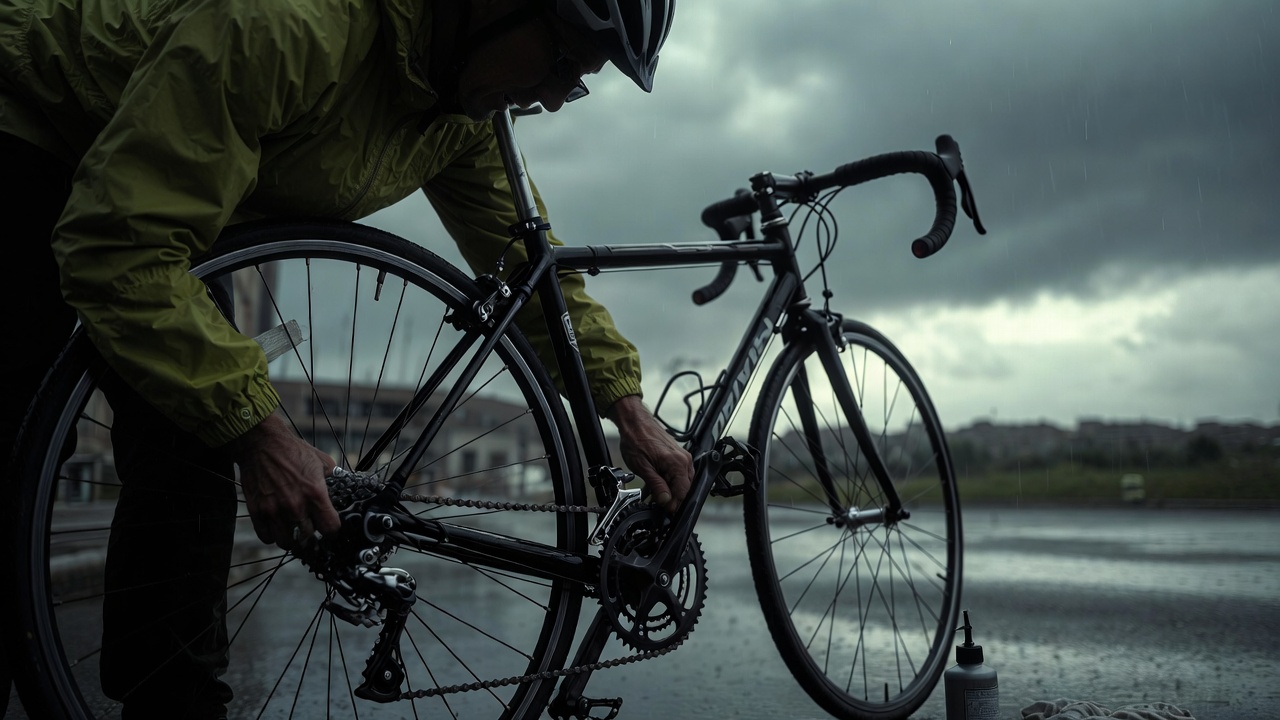
Cycling in rainy weather often means cycling in low-light conditions, which can make you harder to spot.
- Always use front and rear lights: Even if it’s daytime, using front and rear lights is a must in rainy weather. Rain reduces visibility, and bright lights will help ensure that drivers and other cyclists can see you from a distance.
- Wear bright or reflective clothing: To make yourself more visible, wear bright colors or reflective materials. A high-visibility vest or jacket can make a big difference, especially when it’s raining heavily and visibility is reduced.
- Use reflective tape on your bike: In addition to reflective clothing, adding reflective tape to your bike can improve your visibility even more. Place it on your frame, pedals, and wheels so that it catches light from any direction.
Handling Puddles and Slippery Surfaces
Wet conditions can lead to slippery surfaces that increase the likelihood of accidents, so it’s essential to handle them with care.
- Avoid riding through large puddles: Large puddles can hide dangerous obstacles such as potholes, rocks, or debris. Whenever possible, avoid riding through them. If you must go through a puddle, do so slowly and carefully.
- Be cautious of manhole covers and wet leaves: Manhole covers can become very slippery when wet. Similarly, wet leaves on the road can make your bike slide out of control. Always approach these surfaces with caution and maintain a straight line when crossing them.
- Maintain a straight line on slippery surfaces: When crossing any slippery surface, such as painted road markings or wet metal surfaces, try to keep your bike in a straight line. This will reduce the risk of your tires losing traction and causing a fall.
Post-Ride Care
After cycling in the rain, it’s important to care for both your bike and gear to prevent long-term damage.
- Clean and dry your bike: Rain can cause mud, water, and grime to build up on your bike. Make sure to clean it thoroughly after each ride, paying close attention to your chain and gears. Dry your bike completely to prevent rust.
- Check the brakes: After cycling in wet conditions, it’s crucial to check your brakes for proper function. Wet weather can affect braking performance, so ensure that your brakes are working properly before your next ride.
- Dry your gear and store it properly: Don’t forget to dry your rain gear after your ride to prevent mildew. Store your clothing in a dry place, and make sure your shoes and gloves are completely dry before putting them away.
Conclusion
Cycling in rainy conditions requires preparation, careful technique, and constant awareness. By taking the proper steps to maintain your bike, adjust your riding style, and prioritize visibility, you can ride safely and enjoy the experience. Always stay alert and be ready to adapt to changing weather conditions, and remember that your safety is always the top priority.