
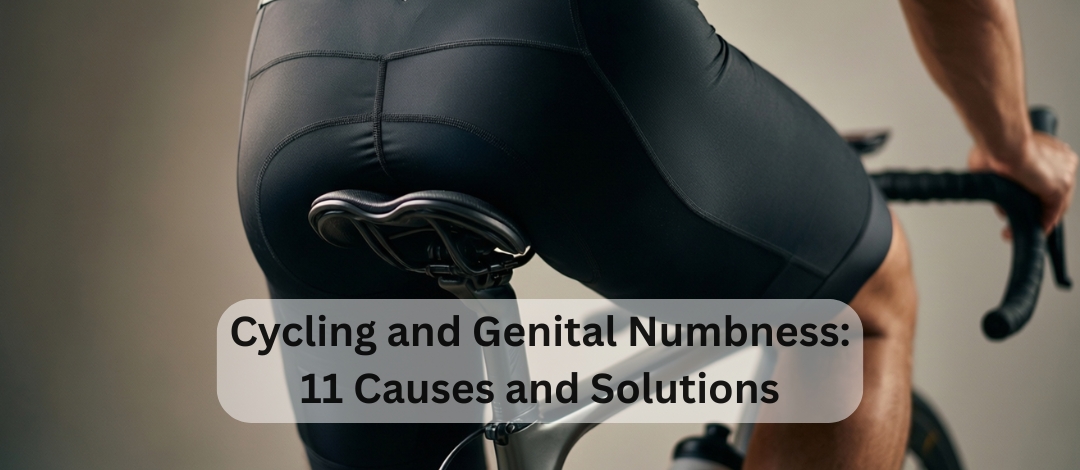
Most cyclists expect sore legs or a tired back after a long ride, but numbness in sensitive areas can come as an unpleasant surprise. It often shows up quietly, disappears after the ride, and gets brushed off as no big deal. For many riders, though, that strange lack of sensation raises concern and confusion about what is really happening.
Cycling-related genital numbness occurs when prolonged pressure from the saddle reduces blood flow or compresses nerves in the pelvic region. This can lead to tingling, partial loss of feeling, or a dull, heavy sensation that may last minutes or linger for hours.
In most cases, it is not dangerous and can be corrected with proper equipment, fit, and riding habits. When ignored or repeated frequently, however, it may signal a deeper issue that deserves attention.
This article explains what causes cycling-related genital numbness, the body structures involved, common risk factors, symptoms to watch for, prevention strategies, and when medical advice is needed.
Cycling and Genital Numbness: 11 Causes and Solutions
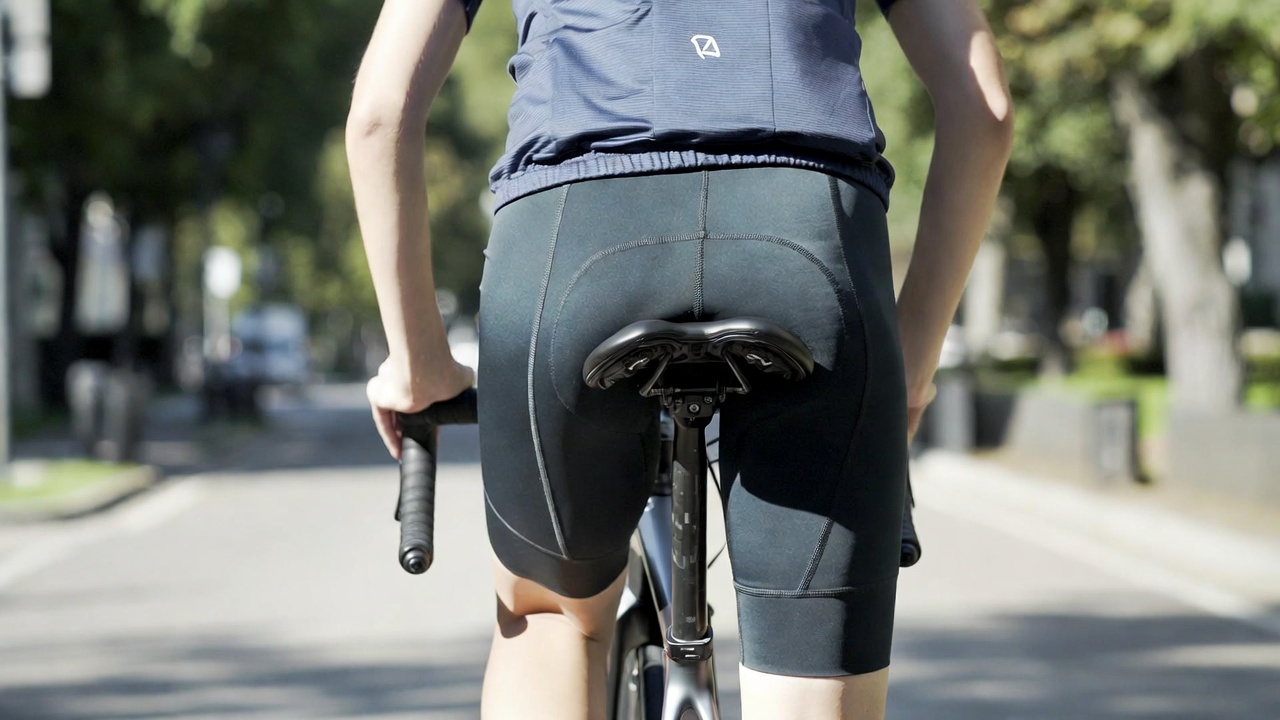
Genital numbness during cycling refers to reduced or altered sensation in areas that rest against the saddle. It often starts subtly and may be easy to dismiss at first.
This sensation can include:
- Numbness or loss of feeling
- Tingling or pins and needles
- A dull or cold sensation
Some riders experience numbness only during or right after a ride. Others notice it lasting hours or returning ride after ride. The most commonly affected areas include the perineum, penis, scrotum, or vulva, depending on anatomy and riding position.
Anatomical Structures Involved
Understanding what is being compressed helps explain why numbness happens. The saddle places pressure on areas that were not designed to support body weight for long periods.
Key structures involved include:
- The perineum, which bears much of the saddle pressure
- The pudendal nerve, responsible for genital sensation
- Blood vessels, including arteries and veins that supply the area
When these structures are compressed, sensation and circulation can be reduced, leading to numbness.
Mechanisms Causing Numbness During Cycling
Numbness does not come from one cause alone. It usually develops from a mix of mechanical and positional factors.
Common mechanisms include:
- Prolonged saddle pressure on soft tissue
- Restricted blood flow, also known as ischemia
- Direct nerve compression or irritation
- Static riding posture without movement or relief
The longer these forces act on the same area, the more likely numbness becomes.
Cycling-Related Risk Factors
Certain equipment choices and habits make numbness more likely. Many riders are unaware that small setup issues can have a big impact.
Key risk factors include:
- Incorrect saddle shape or width
- Saddle angle tilted too far up or down
- Hard or overly narrow saddles
- Long riding duration or frequent sessions
- Aggressive riding positions, such as an aero posture
- Poor bike fit, including saddle height and reach
Even experienced cyclists can develop symptoms if these factors are ignored.
Types of Cycling Most Associated with Numbness
Some styles of riding place more stress on the perineal area than others. This does not mean they should be avoided, but they require more attention to fit and technique.
Cycling types commonly linked to numbness include:
- Road cycling, especially long steady rides
- Time trial and triathlon cycling
- Indoor cycling or stationary bikes
- Long-distance endurance riding
Indoor setups are especially risky because riders tend to stay seated without natural movement breaks.
Symptoms and Clinical Signs
Symptoms can vary from mild and brief to uncomfortable and persistent. Paying attention early helps prevent progression.
Common signs include:
- Reduced genital sensation
- Tingling or pins and needles
- Coldness or pressure feeling
- Delayed return of normal sensation after riding
- Pain following numbness, in some cases
Any symptom that worsens or lasts longer than expected should not be ignored.
Short-Term vs. Long-Term Consequences
Most cases of cycling-related numbness are short-term and resolve on their own. Problems arise when the issue becomes recurrent.
Short-term effects often include:
- Temporary numbness that fades after riding
Long-term risks may involve:
- Repeated numbness over multiple rides
- Chronic nerve irritation
- Possible sexual dysfunction if unresolved
Addressing the cause early greatly reduces long-term risk.
Saddle and Equipment Factors
Your saddle is one of the most important pieces of equipment affecting genital comfort. Not all saddles work for all riders.
Important equipment considerations include:
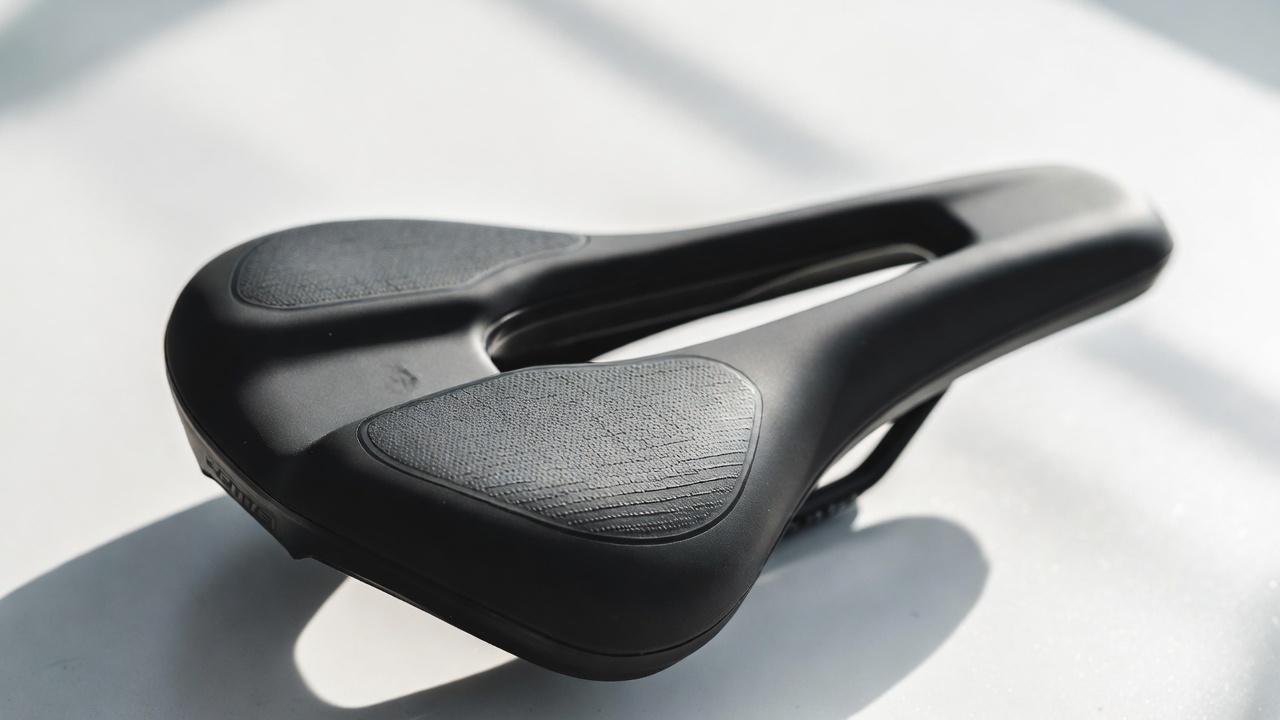
- Traditional saddles versus cut-out designs
- No-nose saddles for pressure relief
- Padding thickness and distribution
- Cycling shorts and chamois placement
More padding is not always better. Proper shape and support matter more than softness.
Riding Technique Factors
How you ride can be just as important as what you ride. Small changes in movement can significantly reduce pressure.
Helpful technique adjustments include:
- Standing periodically while riding
- Changing hand positions often
- Managing pelvic tilt
- Balancing weight between saddle, pedals, and handlebars
Movement improves blood flow and reduces constant pressure on one area.
Prevention and Mitigation Strategies
Preventing cycling and genital numbness usually requires a combination of smart setup and mindful riding habits.
Effective strategies include:
- Choosing the right saddle for your anatomy
- Correct saddle height and angle
- Professional bike fitting
- Standing up briefly every few minutes
- Limiting long stretches of continuous saddle time
These steps protect nerves and blood flow while improving overall comfort.
When to Seek Medical Evaluation
Most numbness resolves quickly, but some signs should prompt a medical evaluation. Early assessment can prevent long-term damage.
Seek medical advice if you experience:
- Numbness lasting hours or days
- Progressive loss of sensation
- Pain or sexual dysfunction
- Symptoms occurring even when not cycling
Persistent symptoms deserve professional attention.
Conclusion
Cycling and genital numbness are common issues, but it is not something riders should accept as part of the sport. Understanding how saddle pressure, bike fit, riding posture, and equipment choices affect nerves and blood flow allows cyclists to make smarter adjustments and ride more comfortably. When addressed early, numbness is usually easy to prevent and unlikely to cause lasting problems. Paying attention to your body, making thoughtful changes, and seeking help when symptoms persist can keep cycling both enjoyable and safe for the long term.