

Sciatica can make even simple movements feel uncomfortable. Whether it’s a sharp pain down the leg or a constant ache in the lower back, it often limits how you move and how active you can be. Many people look for safe, low-impact ways to stay active without making symptoms worse.
Resistance bands are one of the most practical tools for this. They are lightweight, easy to use at home, and gentle on the joints. More importantly, they allow controlled movement, which is essential when dealing with nerve-related pain like sciatica.
When used correctly, resistance bands can help improve flexibility, strengthen supporting muscles, and reduce pressure on the sciatic nerve. They offer a simple way to support recovery without needing heavy equipment or intense workouts.
Top 3 Resistance Bands for Sciatica
Fit Simplify Resistance Loop Exercise Bands Set
- Ideal for light stretching and rehabilitation exercises
- Helps improve hip and glute strength, reducing pressure on the lower back
- Comes in multiple resistance levels for gradual progression
- Compact and easy to carry
Professional Latex-Free Resistance Bands Set
- Latex-free material reduces risk of skin irritation
- Smooth resistance ideal for controlled rehab exercises
- Multiple resistance levels for gradual strength building
- Suitable for physical therapy routines
Pull-Up Assist Resistance Bands Set
- Offers higher resistance for gradual strength progression
- Useful for assisted stretching and mobility work
- Supports full-body exercises beyond rehab
- Durable and long-lasting
In this guide, you’ll learn how resistance bands help with sciatica, what to look for when choosing one, and the best options available today.
Best Exercise Resistance Bands for Sciatica: 4 Key Picks
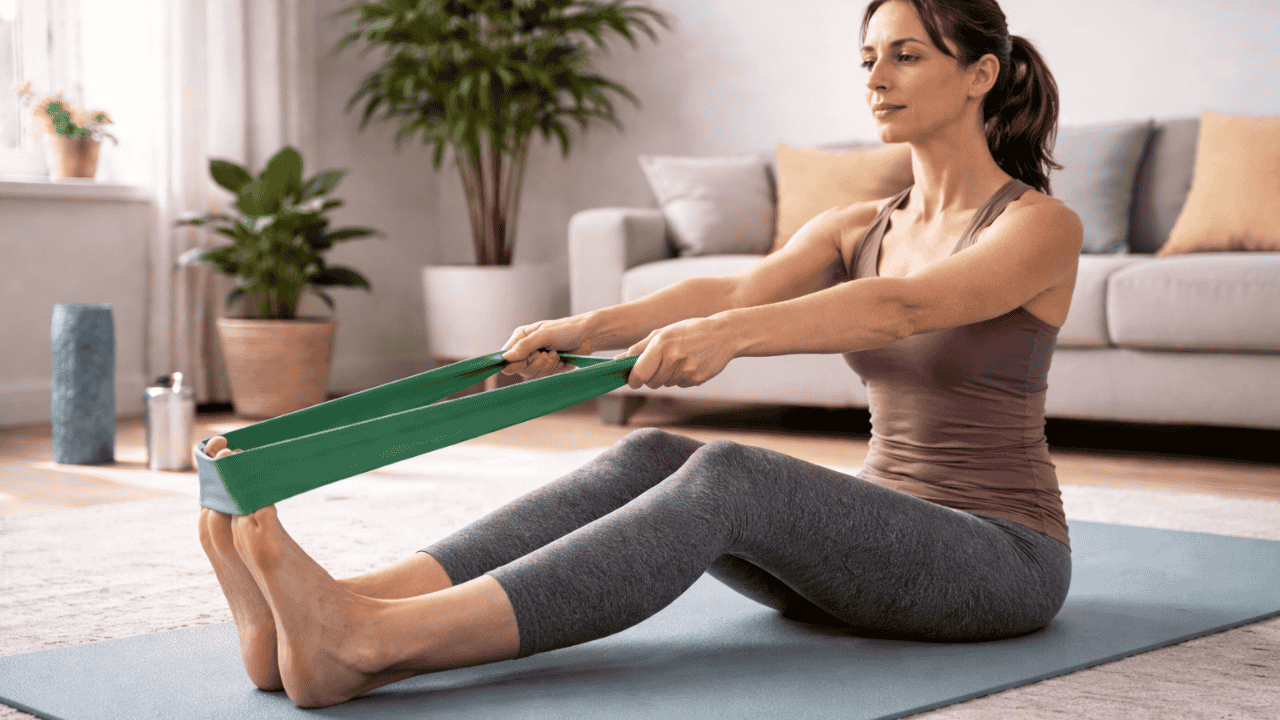
When it comes to managing sciatica, not all resistance bands are created equal. The right set can make a noticeable difference in how safely and effectively you stretch, strengthen, and support your lower back. Below, we’ve selected four of the best resistance bands available today, each suited for different needs, whether you're just starting gentle rehab or progressing toward more advanced mobility work. These picks focus on comfort, control, and durability, helping you stay consistent without putting extra strain on sensitive areas.
Fit Simplify Resistance Loop Exercise Bands Set
Fit Simplify Resistance Loop Bands are a popular choice for beginners and those recovering from lower back pain. Their simple loop design makes them easy to use for gentle stretching and controlled strengthening.
How It Helps Sciatica
These bands are especially useful for activating the glutes and hips. Stronger hip muscles support the lower back and can reduce strain on the sciatic nerve.
Texture & Use
- Soft, flexible loops that don’t dig into the skin
- Can be used for seated, lying, or standing exercises
- Great for beginners learning proper movement
Safety & Quality
- Made from durable latex
- Includes a guide for safe exercises
- Suitable for daily use when used gently
✔ Best suited for beginners and gentle rehabilitation routines
✔ Top Pick: Fit Simplify Resistance Loop Exercise Bands Set
Professional Latex-Free Resistance Bands Set
This latex-free resistance band set is designed for people with sensitive skin or latex allergies. It offers smooth resistance without irritation, making it a safe choice for consistent use.
How It Helps Sciatica
Controlled resistance helps improve flexibility in tight muscles like the hamstrings and hip flexors. This can reduce nerve compression and improve mobility over time.
Texture & Use
- Soft, stretchable material with steady tension
- Works well for slow, guided movements
- Can be used for stretching, strengthening, and mobility drills
Safety & Quality
- Gentle on sensitive skin
- Durable construction for repeated use
- Designed for low-impact workouts
✔ Best suited for people with sensitive skin or those doing structured rehab
✔ Top Pick: Professional Latex-Free Resistance Bands Set
Pull-Up Assist Resistance Bands Set
Pull-up assist bands are thicker and provide higher resistance levels. While often used for strength training, they can also support deeper stretching and progressive rehab.
How It Helps Sciatica
These bands allow deeper stretches for the hamstrings and lower back. Tight hamstrings are a common contributor to sciatic discomfort, so improving flexibility here can make a big difference.
Texture & Use
- Thick, heavy-duty bands
- Best used with controlled movement and proper form
- Can be anchored for more advanced exercises
Safety & Quality
- Strong and durable material
- Suitable for intermediate users
- Should be used carefully to avoid overstretching
✔ Best suited for users ready to progress beyond basic rehab
✔ Top Pick: Pull-Up Assist Resistance Bands Set
Multicolor Resistance Exercise Bands Set
This multicolor resistance band set provides a wide range of resistance levels, making it a flexible option for long-term use.
- Multiple resistance options for progression
- Lightweight and portable
- Suitable for full-body rehabilitation
- Easy to integrate into daily routines
How It Helps Sciatica
Having different resistance levels allows you to adjust intensity as your condition improves. This helps avoid strain while still building strength.
Texture & Use
- Smooth bands with consistent stretch
- Can be used for both upper and lower body exercises
- Ideal for gradual, controlled workouts
Safety & Quality
- Designed for repeated use
- Easy to switch between resistance levels
- Works well for both beginners and intermediate users
✔ Best suited for long-term recovery and progression
✔ Top Pick: Multicolor Resistance Exercise Bands Set
Core Benefits of Resistance Bands for Sciatica
Resistance bands are widely used in rehabilitation because they offer a balance of movement and control. For people dealing with sciatica, this is especially important.
Key benefits include:
- Improved flexibility in tight muscles
- Strengthening of glutes, hips, and core
- Reduced pressure on the sciatic nerve
- Better posture and movement patterns
- Low-impact exercise that protects joints
Unlike heavy weights, resistance bands allow you to move at your own pace. This reduces the risk of sudden strain or injury.
When Resistance Bands Are Most Useful
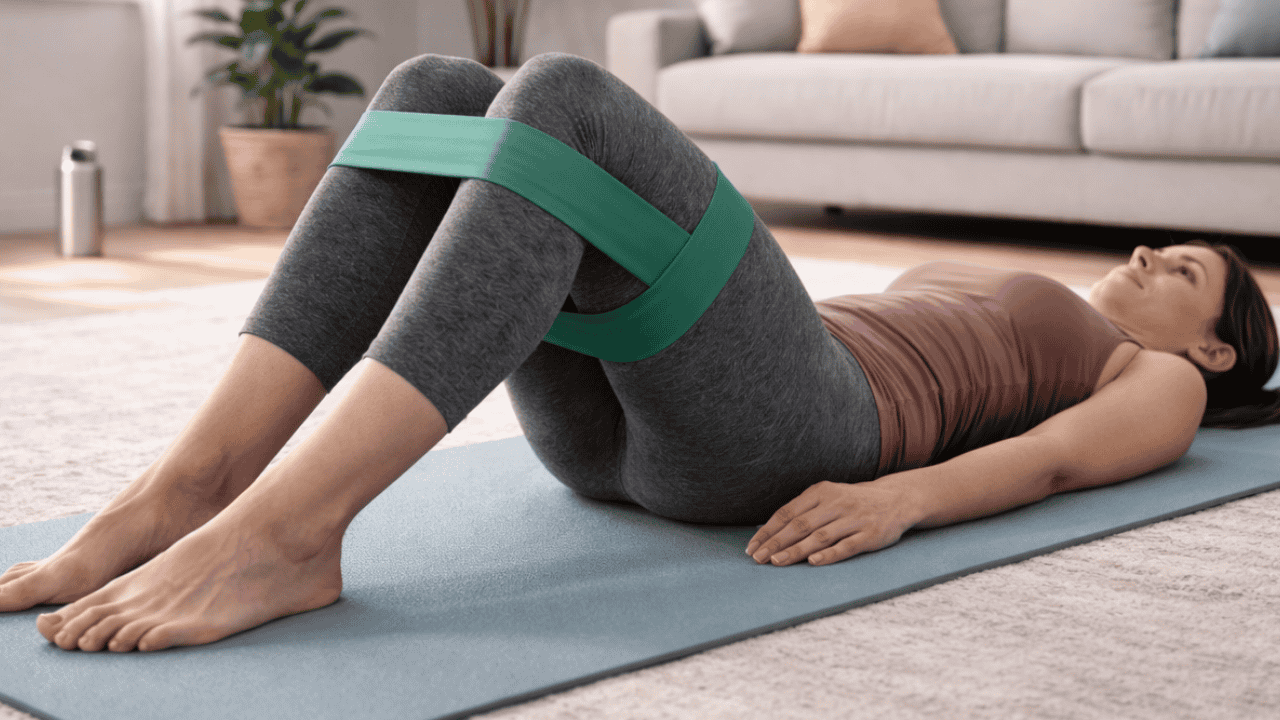
Resistance bands can be used at different stages of recovery. They are flexible enough for both early rehab and long-term maintenance.
Common situations include:
- Early-stage recovery from sciatic pain
- Gentle daily stretching routines
- Strengthening weak muscles after inactivity
- Improving posture for desk workers
- Supporting mobility during flare-ups
They are especially useful for people who spend long hours sitting, as this often contributes to tight hips and lower back discomfort.
How to Choose the Right Resistance Band for Sciatica
Choosing the right band can make a big difference in how safe and effective your exercises are.
Consider these factors:
Resistance Level
Start with light resistance. Gradually increase as your strength improves.
Type of Band
- Loop bands: best for lower body exercises
- Flat bands: good for therapy and stretching
- Tube bands: useful for more controlled strength work
Material: If you have sensitive skin, consider latex-free options.
Comfort: Bands should not pinch or roll during use.
Portability: Lightweight bands make it easier to stay consistent with your routine.
How to Use Resistance Bands Safely for Sciatica
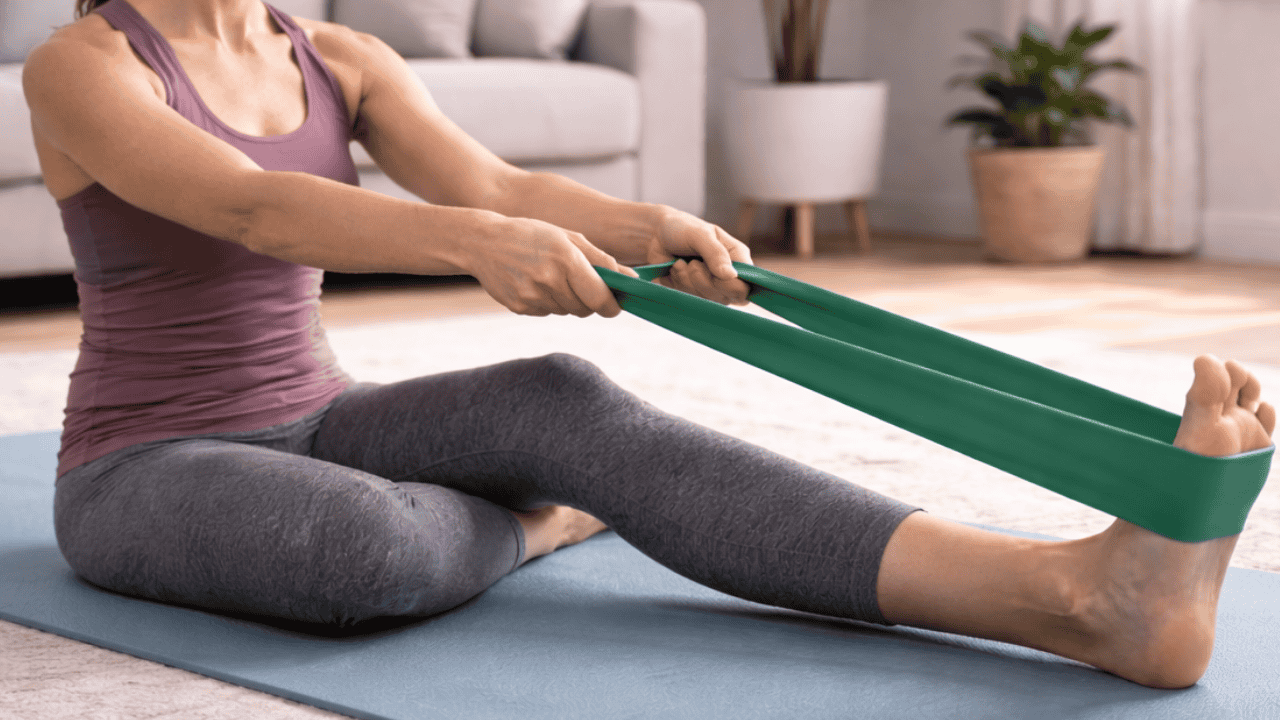
Using resistance bands correctly is just as important as choosing the right ones.
Tips for safe use:
- Start slow: Begin with simple movements and low resistance.
- Focus on form: Controlled movement is more important than intensity.
- Stretch gently: Avoid sudden or jerky motions.
- Watch for pain signals: Stop if pain increases or changes sharply.
- Be consistent: Regular, gentle use is more effective than intense sessions.
Safety and Precautions
While resistance bands are generally safe, it’s important to use them with care.
Keep these in mind:
- Avoid overstretching muscles
- Do not use on severe or worsening pain without guidance
- Check bands for wear and tear before use
- Avoid exercises that trigger sharp nerve pain
- Consult a healthcare provider if symptoms persist
Conclusion
The best resistance bands for sciatica are those that support gentle, controlled movement while helping you build strength over time. Whether you’re just starting recovery or looking to maintain flexibility, the right band can make your routine safer and more effective.
By choosing a band that matches your needs and using it consistently, you can improve mobility, reduce discomfort, and support long-term recovery. Small, steady progress often leads to the best results when managing sciatica.
Latest Articles