Mountain Bike Elbow Pain: 9 Risk Factors Explained

Elbow pain is often caused by overuse or injury. Sports, hobbies, and jobs often require repeated wrist, arm, or hand movements. Elbow pain can result from problems with bones, muscles, tendons, ligaments, or joints. Arthritis can occasionally cause elbow pain. Athletes often refer to this injury as “tennis elbow” or “biker’s elbow,” but its official… Continue reading Mountain Bike Elbow Pain: 9 Risk Factors Explained

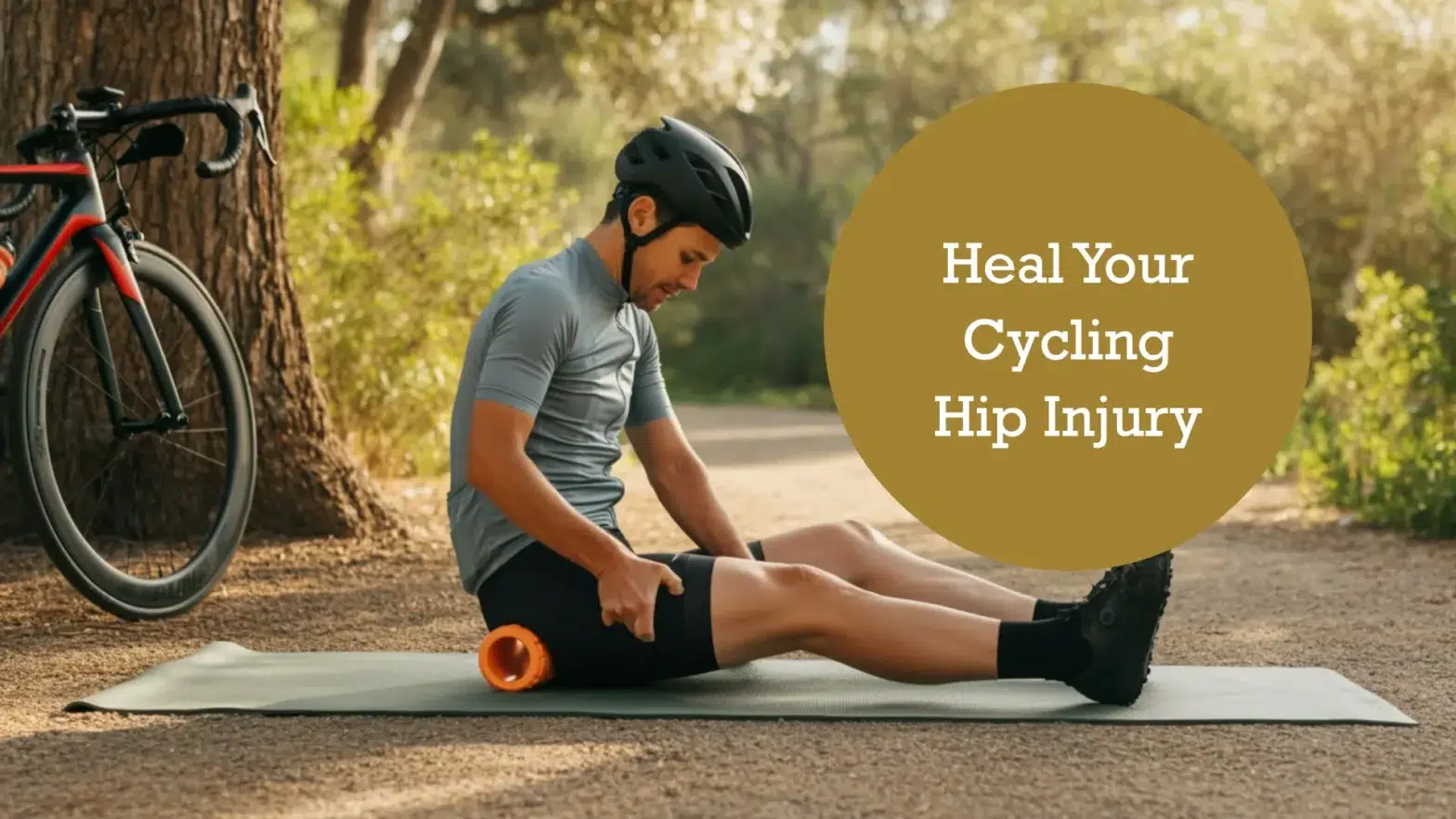
Cycling Hip Injury: 4 Major Causes You Must Know

The two most common hip injuries are piriformis syndrome and bursitis. A small muscle called the piriformis rotates the leg outward. Over-training, pushing excessive gears, and muscular imbalance are the leading causes of cycling hip injuries. Regular massage or foam rolling can maintain the gluteal and hip muscles. Bursitis is an inflammatory injury that usually… Continue reading Cycling Hip Injury: 4 Major Causes You Must Know

Numb Toes Cycling Cleat Position: 7 Risky Mistakes

The most common and uncomfortable condition that can arise for cyclists is numb toes. This irritating sensation can make your ride miserable and bring you to a complete halt if severe enough. If your cleats are positioned incorrectly, you may put pressure on the wrong parts of your feet, leading to numbness and discomfort. Improper… Continue reading Numb Toes Cycling Cleat Position: 7 Risky Mistakes

Cycling Foot Numbness: 4 Shoe Fit Tips & 3 Cleat Fixes

Foot numbness can lead to complications like foot ulcers or sores. Fractures, sprains, and strains can damage the nerves that supply your feet. Loss of balance and coordination can contribute to foot numbness complications, which may increase the risk of falls. Cycling foot numbness can be caused by narrow shoes and ill-fitting footwear, leading to… Continue reading Cycling Foot Numbness: 4 Shoe Fit Tips & 3 Cleat Fixes

Can I Wear A Fitbit On An Ankle For Cycling? 7 Key Rules

Fitbits can be worn on ankles depending on your needs and the current situation. Wearing a Fitbit on your ankle can achieve a more precise step count and enhance cycle tracking. This allows for accurate measurement of both steps and cycling activity. Fitbits count steps even when worn on the ankle. Opting to wear it… Continue reading Can I Wear A Fitbit On An Ankle For Cycling? 7 Key Rules

Does Cycling Strengthen Ankles? 7 Muscle & Joint Boosts

Cycling is an effective workout for arthritis, indoors or outdoors. It’s low-affected, providing a good workout without joint stress. It also strengthens muscles that support the knees, ankles, and feet, and research shows it improves outcomes for hip osteoarthritis. When cycling without bearing the body’s weight, pedaling strengthens ankle muscles. This allows for targeted muscle… Continue reading Does Cycling Strengthen Ankles? 7 Muscle & Joint Boosts

Can You Cycle with A Sprained Ankle: 9 Alternatives

Cycling is a joint exercise that can cause foot and ankle injuries. You can prevent cycling injuries by taking proper precautions and seeing an experienced sports medicine podiatrist at the first sign of trouble. Cycling with a sprained ankle depends on the patient’s specific case and how severe the injury is. You can cycle after… Continue reading Can You Cycle with A Sprained Ankle: 9 Alternatives

Can You Cycle With Ankle Tendonitis: 7 Key Precautions

Cycling with ankle tendonitis may cause localized pain, swelling, and stiffness. Pain is the initial symptom of foot or ankle tendonitis, which may subside over time but reoccur as you spend more time on your foot or ankle. It is not recommended to cycle with ankle tendonitis as it puts pressure on the ankle joint… Continue reading Can You Cycle With Ankle Tendonitis: 7 Key Precautions

Can You Cycle After Ankle Replacement: 6 Factors to Consider

Cycling too soon after ankle replacement surgery may damage the ankle joint. Cycling too early can delay your recovery time and lead to complications. Cycling may affect ankle replacement longevity and lead to early failure. After ankle replacement surgery, it’s possible to resume cycling after 16 weeks of recovery. Clients can return to sedentary jobs… Continue reading Can You Cycle After Ankle Replacement: 6 Factors to Consider

What Do Cycling Saddle Sores Look Like? 5 Signs to Spot

Cycling saddle sores can develop from excessive friction between your cycling shorts and skin, leading to irritation and inflammation. While this may seem minor, these sores become infected over time and cause significant pain and discomfort. Saddle sores can affect your performance, affecting your ability to win or achieve your goals. A saddle sore resembles… Continue reading What Do Cycling Saddle Sores Look Like? 5 Signs to Spot