
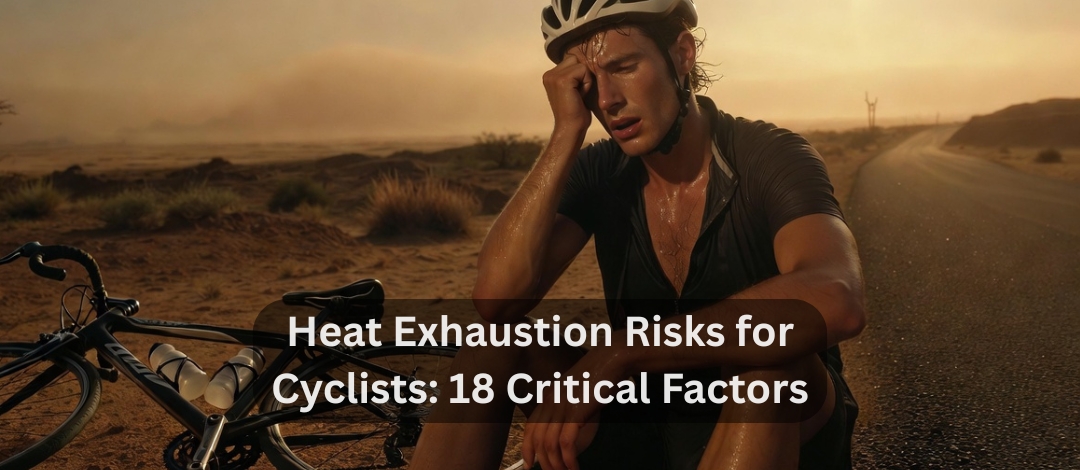
Long rides under a hot sun can feel manageable at first, until they are not. Many cyclists push through early warning signs without realizing how quickly heat stress can turn dangerous.
Heat-related illness becomes more likely when the body struggles to release heat during long or demanding rides. Heavy fluid loss, rising internal temperature, and external conditions can overload the body’s normal cooling systems. This risk affects both new and experienced riders, especially during warm or humid weather.
This guide explains what heat exhaustion is, why cyclists are vulnerable, the warning signs to watch for, and the real risks it poses before it becomes a serious emergency.
Heat Exhaustion Risks for Cyclists: 18 Critical Factors
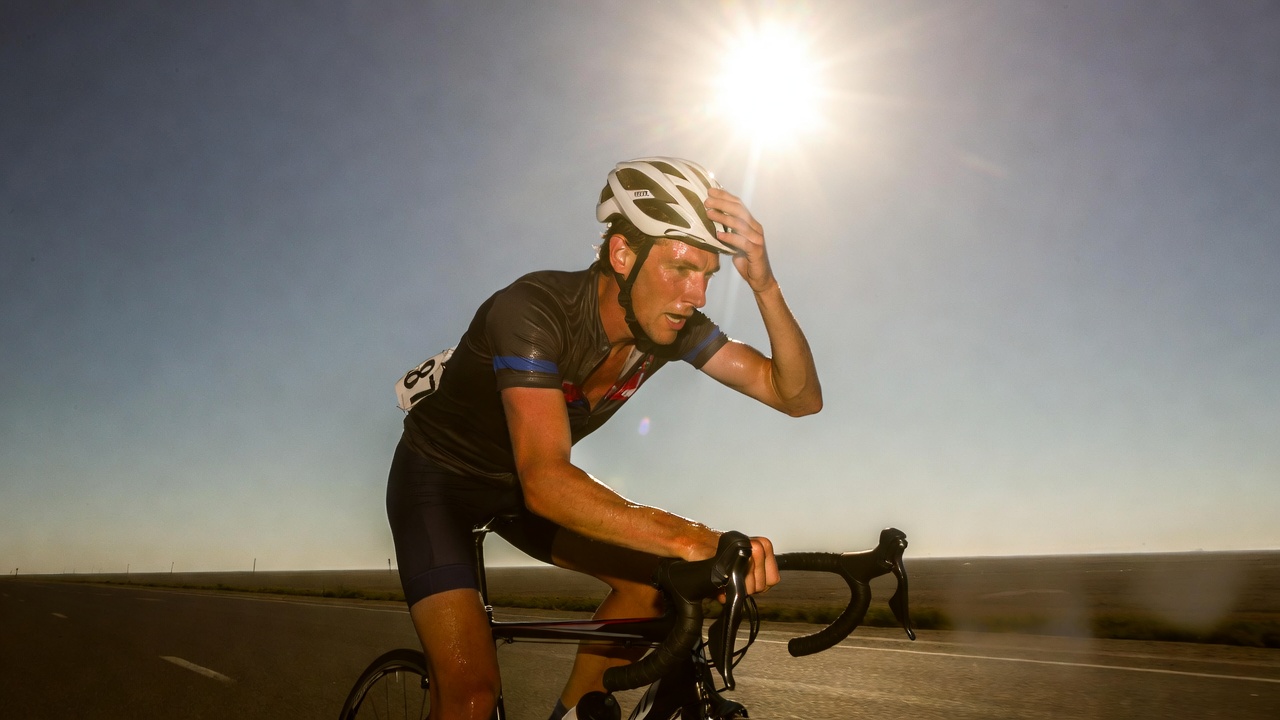
Heat exhaustion is a heat-related condition that occurs when the body overheats and loses too much fluid and salt. During cycling, the risk increases because sustained effort raises internal body temperature while sweating accelerates fluid loss.
Prolonged riding, especially without adequate cooling or hydration, limits the body’s ability to regulate heat. As the temperature rises, physical and mental performance decline rapidly.
Physiological Factors Increasing Risk
The body works hard to cool itself during cycling, but heat stress can overwhelm normal responses.
Key physiological contributors include:
- Excessive sweating and fluid loss, leading to dehydration
- Electrolyte imbalance caused by sodium and mineral depletion
- Elevated core body temperature that exceeds safe limits
- Reduced blood flow to vital organs as circulation prioritizes cooling the skin
These changes strain the cardiovascular system and reduce physical efficiency.
Environmental Risk Factors
External conditions play a major role in heat exhaustion risk, even during moderate rides.
Environmental contributors include:
- High ambient temperature that limits heat release
- High humidity reduces sweat evaporation, trapping heat
- Direct sun exposure increasing radiant heat load
- Poor airflow during slow or uphill riding, where cooling wind is minimal
Even well-trained cyclists struggle under these combined conditions.
Cycling-Specific Risk Factors
Certain riding habits and choices significantly raise the likelihood of heat exhaustion.
Cycling-related risks include:
- Long-duration rides without rest, preventing recovery
- High-intensity effort in hot conditions, accelerating heat buildup
- Heavy or non-breathable cycling gear that traps heat
- Inadequate hydration planning before and during rides
- Lack of acclimatization to heat, especially early in the season
These factors compound quickly when ignored.
Early Signs and Symptoms in Cyclists
Heat exhaustion rarely starts suddenly. Early symptoms often appear gradually and are easy to dismiss.
Common early signs include:
- Fatigue and weakness beyond normal exertion
- Dizziness or lightheadedness, especially when stopping
- Headache that worsens during riding
- Nausea or vomiting after sustained effort
- Muscle cramps linked to fluid and electrolyte loss
- Excessive sweating or a sudden decrease in sweating
Recognizing these signs early can prevent serious outcomes.
Advanced Symptoms and Danger Indicators
When heat exhaustion progresses, symptoms become more severe and dangerous.
Advanced warning signs include:
- Confusion or disorientation affecting decision-making
- Rapid pulse as the heart compensates
- Cool, clammy skin despite heat exposure
- Reduced coordination affecting bike control
- Risk of progression to heat stroke, a medical emergency
At this stage, continuing to ride is unsafe.
Immediate Consequences for Cyclists

Heat exhaustion directly affects riding safety and performance.
Immediate impacts include:
- Reduced power output and endurance, limiting ride capacity
- Impaired reaction time and judgment, increasing mistakes
- Increased crash risk due to poor coordination
- Inability to continue riding safely, requiring assistance
These consequences put both the rider and others at risk.
Long-Term and Recurrent Risk Considerations
Heat exhaustion can have lasting effects if not properly addressed.
Long-term concerns include:
- Increased susceptibility after prior heat exhaustion, making recurrence more likely
- Cumulative dehydration effects over multiple rides
- Performance decline in future rides if recovery is inadequate
Proper recovery and prevention are critical to long-term cycling health.
Conclusion
Heat exhaustion risks for cyclists are real, preventable, and often underestimated. Understanding how heat affects the body, recognizing early warning signs, and respecting environmental and physiological limits can protect both performance and safety on every ride.