
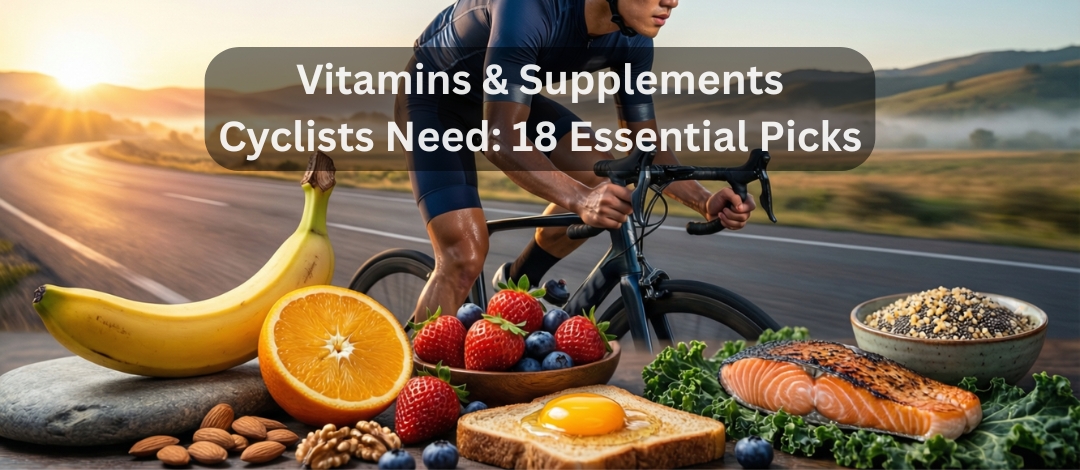
Cycling pushes your body in ways many sports do not. Long rides, hill climbs, and back-to-back training sessions demand steady energy, strong muscles, and quick recovery. Even riders who eat well sometimes wonder if nutrition alone is enough to keep performance high.
The truth is that cyclists often have higher nutritional needs than the average person. Sweat losses, muscle repair, and endurance training can drain key vitamins and minerals faster than you replace them through food. A food-first approach should always come first, but smart supplementation can help fill real gaps, support recovery, and protect long-term health when used correctly.
This guide explains the vitamins, minerals, and supplements that help cyclists ride stronger, recover faster, and stay healthy.
Vitamins & Supplements Cyclists Need: 18 Essential Picks
Vitamins support everything from energy production to immune health. When training volume rises, these nutrients become even more important.
Vitamin D
Vitamin D plays a major role in keeping bones strong and resilient. For cyclists, strong bones help reduce the risk of fractures and overuse injuries.
- Supports bone density, especially during heavy training blocks
- Strengthens immune defense, helping you stay consistent with rides
- Valuable for indoor trainers or riders with limited sun exposure
Low vitamin D can quietly affect performance, so many cyclists benefit from checking their levels.
B-Complex Vitamins
B vitamins help convert the food you eat into usable energy. Without enough of them, fatigue can creep in faster than expected.
- Vitamin B12: Supports nerve health and helps carry oxygen through the blood
- Vitamin B6: Assists protein metabolism for muscle repair
- Folate: Promotes cell growth and tissue recovery
- Helps reduce tiredness during long rides
- Supports red blood cell production for better endurance
Most riders can meet these needs through whole grains, lean proteins, and leafy greens, but intense training may increase demand.
Vitamin C
Hard workouts create oxidative stress in the body. Vitamin C acts as a shield against that stress while helping tissues heal.
- Powerful antioxidant that protects cells
- Supports immune health, especially during heavy training
- Boosts collagen production for stronger tendons and ligaments
Consistent intake may help cyclists bounce back faster after tough sessions.
Vitamin E
Vitamin E works quietly behind the scenes to protect muscle cells.
- Reduces oxidative damage caused by prolonged exercise
- Supports muscle recovery after endurance rides
Together with vitamin C, it forms a strong defense system against training stress.
Key Minerals Cyclists Require
Minerals often get less attention than vitamins, but they are critical for muscle function, hydration, and oxygen delivery.
Iron
Iron helps transport oxygen from your lungs to working muscles. When levels drop, endurance often drops with it.
- Improves oxygen flow, supporting sustained effort
- Prevents performance decline linked to low hemoglobin
Female cyclists and plant-based riders should pay extra attention to iron intake.
Magnesium
Magnesium supports hundreds of processes in the body, many tied directly to performance.
- Regulates muscle contraction and relaxation
- Helps prevent cramps during long rides
- Supports energy production
Poor sleep and persistent tightness can sometimes point to low magnesium.
Calcium
Cyclists are not immune to bone stress. Repetitive motion still places strain on the skeletal system.
- Maintains strong bones
- Lowers risk of stress fractures, especially in high-mileage riders
Pairing calcium with vitamin D improves absorption.
Zinc
Training stress can weaken the immune system. Zinc helps keep it strong.
- Supports immune response
- Assists tissue repair after demanding workouts
Even mild deficiencies may slow recovery.
Sodium and Potassium (Electrolytes)
Sweat carries away critical minerals. Replacing them keeps muscles firing properly.
- Maintain fluid balance
- Reduce risk of cramps
- Replace sweat losses during hot or long rides
Ignoring electrolytes often leads to early fatigue.
Performance-Oriented Supplements
Some supplements go beyond basic nutrition and directly support output, endurance, and recovery when used appropriately.
Omega-3 Fatty Acids
Omega-3s are known for their heart benefits, but they also help athletes manage inflammation.
- Reduce exercise-related inflammation
- Support cardiovascular health
- May speed recovery between sessions
They are especially helpful during high-volume training phases.
Protein Supplements
Whole foods should lead the way, but protein powders offer convenience when time is tight.
- Promote muscle repair after rides
- Support training adaptation
- Helpful when daily protein intake falls short
Look for simple formulas without excess additives.
Creatine
Creatine is not just for weightlifters. Cyclists who sprint or attack hills may benefit.
- Improves short bursts of power
- Supports repeated high-intensity efforts
It is most useful for riders who mix endurance with explosive efforts.
Beta-Alanine
That burning feeling in your legs often comes from acid buildup. Beta-alanine helps buffer it.
- Delays muscular fatigue
- Allows harder efforts for longer periods
Results build gradually with consistent use.
Nitrates (Beetroot Extract)
Beetroot supplements have gained attention for endurance support.
- Improve blood flow
- Increase oxygen efficiency
- May enhance stamina during long rides
Many cyclists use them before races or big training days.
Hydration Supplements
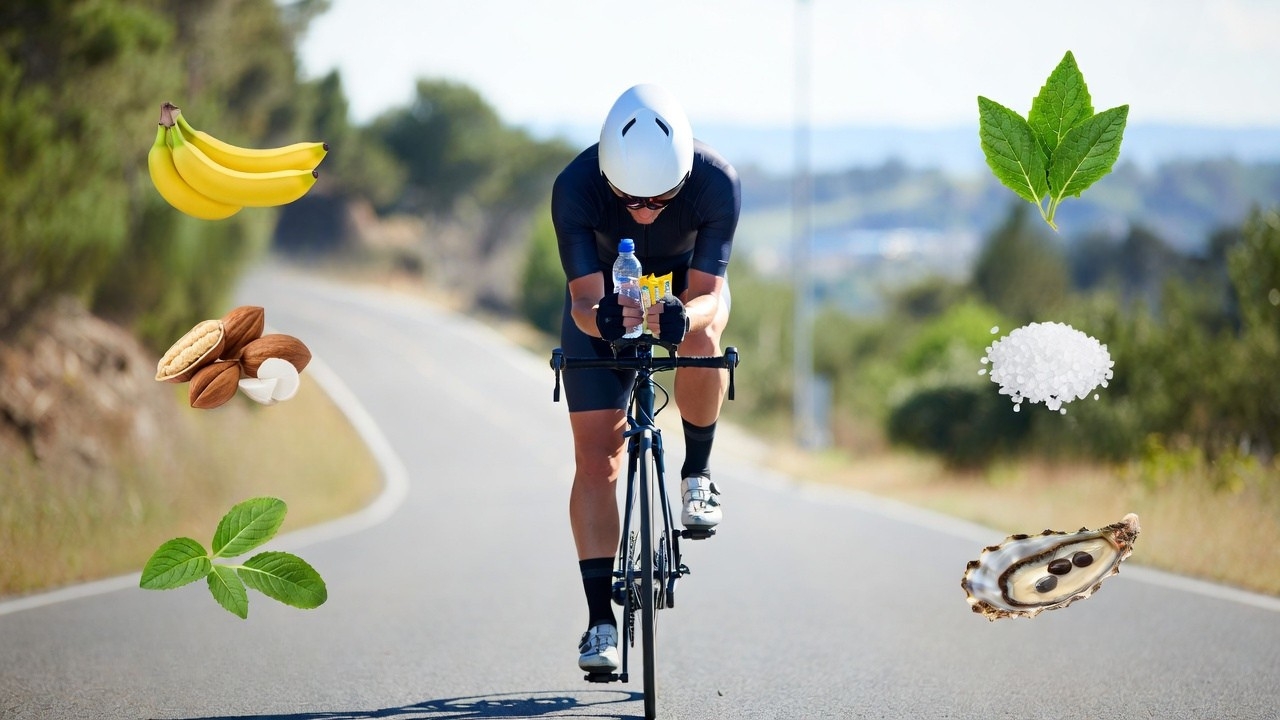
Even slight dehydration can reduce performance. Smart hydration keeps energy stable.
Electrolyte Mixes
Plain water is not always enough for extended rides.
- Replace minerals lost through sweat
- Help sustain output in warm conditions
They are especially valuable on rides lasting over an hour.
Carbohydrate-Electrolyte Drinks
These drinks combine hydration with fast fuel.
- Deliver quick energy
- Maintain blood glucose levels
- Support endurance performance
They are ideal for long-distance cycling and race scenarios.
Recovery-Focused Supplements
Recovery is where progress happens. The right support helps you return stronger for the next ride.
Branched-Chain Amino Acids (BCAAs)
BCAAs are popular among endurance athletes for a reason.
- Reduce muscle soreness
- Support faster recovery
They can be useful during intense training blocks.
Glutamine
Heavy training can strain the immune system.
- May support immune health
- Helps muscle repair after demanding efforts
While not essential for everyone, it may help riders under high stress.
Turmeric / Curcumin
This natural compound is widely used for its calming effect on inflammation.
- Offers anti-inflammatory benefits
- May ease post-ride soreness
Absorption improves when paired with black pepper extract.
Safety and Usage Considerations
Supplements should support your training, not complicate it. Thoughtful use makes all the difference.
- Avoid excessive doses, as more is not always better
- Choose third-party tested products for safety and purity
- Adjust intake based on training load and personal needs
- Consult a healthcare professional if unsure, especially before starting new supplements
Remember, supplements work best when paired with a balanced diet, proper sleep, and structured training.
Conclusion
Understanding the vitamins and supplements cyclists need can help you train smarter, recover faster, and protect your long-term health. Focus on nutrient-rich foods first, use supplements to fill true gaps, and choose quality products that match your riding demands.