
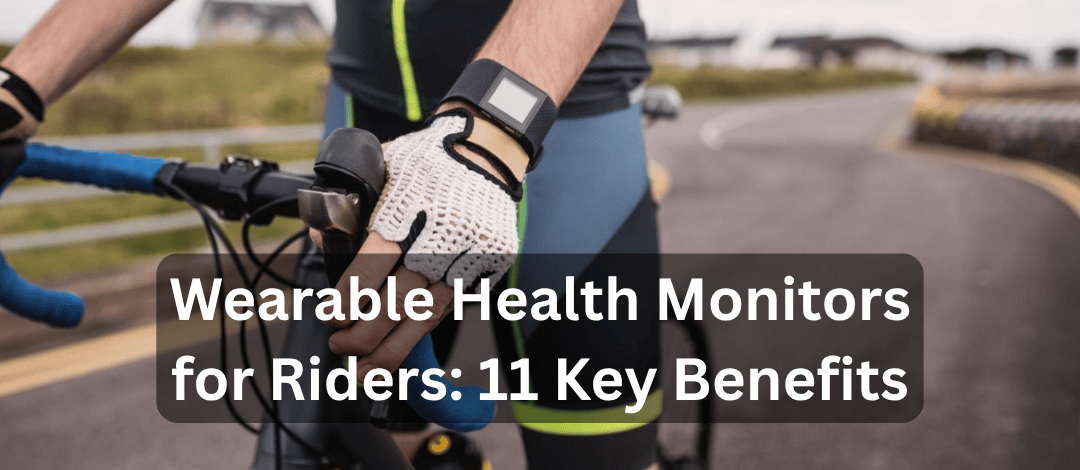
Riding pushes both the body and mind, whether you are on a long motorcycle trip, cycling across hills, or training with a horse. Many riders focus on speed and endurance but overlook something just as important: their health during the ride.
Wearable health monitors for riders are smart devices designed to track vital body signals in real time. These tools help riders stay aware of their physical condition, reduce risks like fatigue or dehydration, and improve overall performance. From heart rate tracking to temperature monitoring, they offer a clear picture of how the body responds while riding.
In this guide, you will learn how these devices work, what they track, and how they improve safety and performance for riders.
Wearable Health Monitors for Riders: 11 Key Benefits
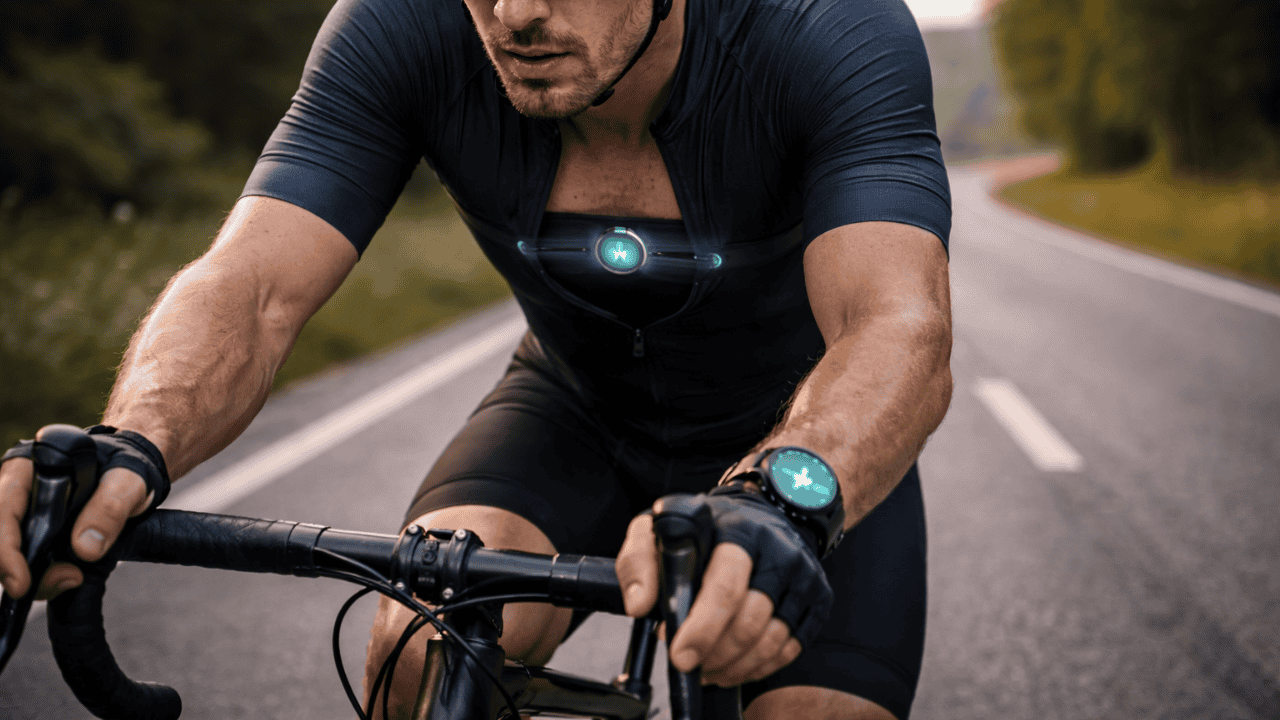
Wearable health monitors for riders are devices designed to track physical health while riding different types of vehicles or animals. They are built to handle movement, weather, and long hours of use.
Common types include:
- Smartwatches that track heart rate and activity
- Chest straps for more accurate heart monitoring
- Smart helmets with built-in sensors
- Biometric clothing that measures body signals through fabric
Each option serves a different purpose, but all focus on keeping riders informed about their health in real time.
Key Health Metrics Monitored
These devices track important body signals that can affect safety and performance during a ride. Knowing these metrics helps riders make better decisions on the road or trail.
Key metrics include:
- Heart rate and HRV to measure effort and stress levels
- Blood oxygen levels (SpO₂) to track breathing efficiency
- Body temperature to detect overheating
- Respiratory rate to monitor breathing patterns
- Fatigue and stress indicators based on movement and heart data
- Hydration levels are an emerging feature in newer devices
Together, these metrics give a full view of the rider’s physical state.
Rider-Specific Applications
These monitors are not just for general health. They offer features tailored to the needs of riders.
They help with:
- Tracking fatigue during long rides to avoid dangerous mistakes
- Detecting dehydration or heat stress before it becomes serious
- Sending real-time alerts when vital signs go outside safe ranges
- Measuring endurance performance for training and improvement
- Monitoring safety in extreme weather or terrain
This makes them especially useful for long-distance and high-intensity riders.
Integration with Riding Gear
Modern wearable tech is designed to work with riding equipment, not against it. This makes it easier to use without changing your setup.
Common integrations include:
- Smart helmets with built-in sensors and communication systems
- Biometric jackets or vests that track body signals
- Gloves or wrist devices that sync with other gear
- Compatibility with existing equipment for easy adoption
This seamless integration keeps riders focused while still collecting valuable data.
Data Transmission and Connectivity
Wearable monitors rely on strong connectivity to deliver real-time insights. This ensures that data is easy to access and share.
Key features include:
- Bluetooth connection to mobile apps for instant updates
- GPS tracking to link health data with location
- Cloud storage for long-term tracking and analysis
- Live data sharing with friends or emergency contacts
These features help riders stay connected and informed at all times.
Safety and Emergency Features
Safety is one of the biggest advantages of wearable health monitors. Many devices now include built-in emergency systems.
Important features include:
- Crash detection that senses sudden impacts
- Automatic SOS alerts sent to emergency contacts
- Location tracking during accidents or breakdowns
- Integration with emergency services in some systems
These tools can make a critical difference in urgent situations.
Power and Durability Considerations
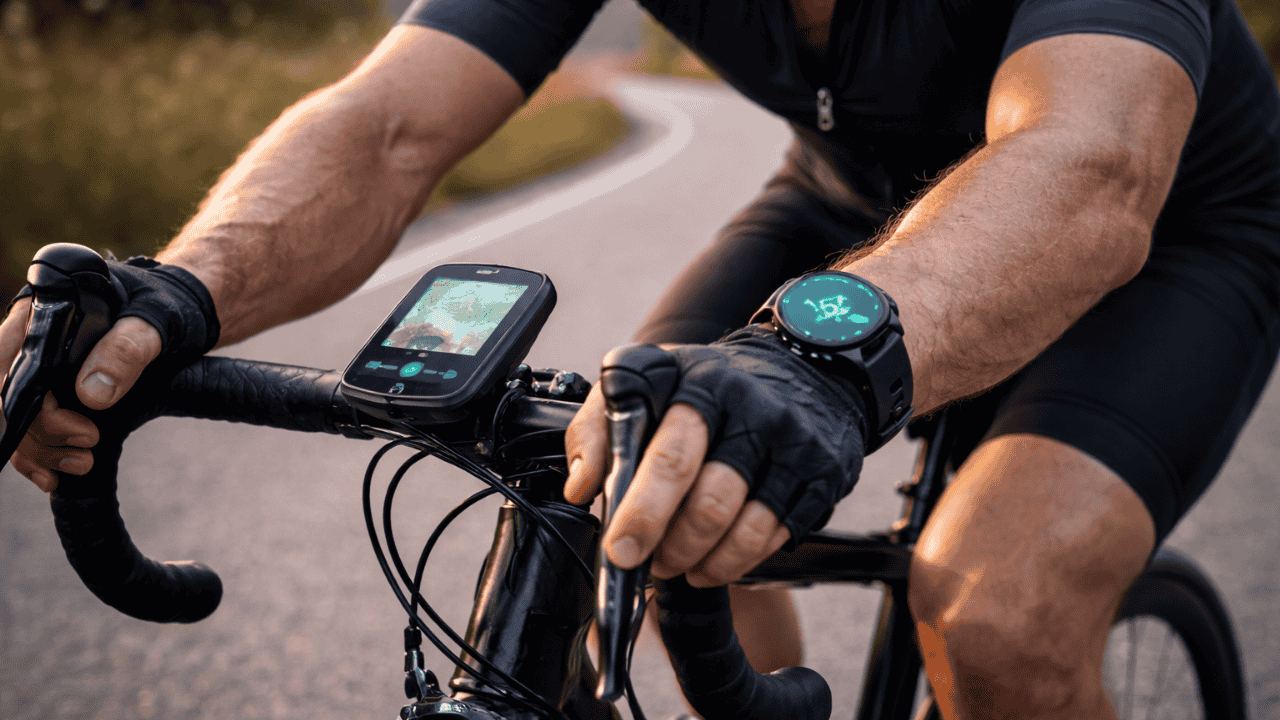
Riders often spend hours on the road, so durability and battery life matter a lot.
Key considerations include:
- Long battery life to support extended rides
- Weather resistance against rain, dust, and heat
- Shock resistance for rough terrain or vibrations
A reliable device should perform well in all riding conditions.
Accuracy and Reliability
Accuracy is essential when tracking health data during movement. However, riding conditions can affect sensor performance.
Things to keep in mind:
- Sensor accuracy may vary during motion
- Calibration is sometimes needed for better results
- Extreme conditions can affect readings
Even with these limits, most modern devices offer useful and consistent data.
Privacy and Data Security
Health data is sensitive, so privacy is an important concern for riders using these devices.
Important factors include:
- Secure handling of personal health data
- Clear user control over data sharing
- Awareness of potential data breaches
Choosing trusted brands helps reduce these risks.
Challenges and Limitations
While wearable monitors offer many benefits, they are not perfect. Riders should be aware of their limitations.
Common challenges include:
- Comfort issues during long rides
- High cost for advanced features
- Limits in real-time accuracy under certain conditions
Understanding these factors helps riders choose the right device.
Future Developments
Wearable technology is evolving quickly, and future devices will offer even more advanced features.
Expected improvements include:
- AI-based health predictions to prevent issues before they happen
- Integration with vehicle systems for smarter riding
- Advanced biosensors for non-invasive tracking, such as glucose or hydration
- Smaller devices with longer battery life
These developments will make wearable monitors even more useful for riders.
Conclusion
Wearable health monitors for riders are changing how people approach safety and performance on the road or trail. By tracking vital signs in real time, these devices help riders stay aware of their physical condition and respond before small issues turn into serious problems.
As technology continues to improve, these tools will become more accurate, comfortable, and integrated into everyday riding gear. For anyone who spends long hours riding, investing in a reliable health monitor is not just a smart choice; it is a step toward safer and more informed riding.