
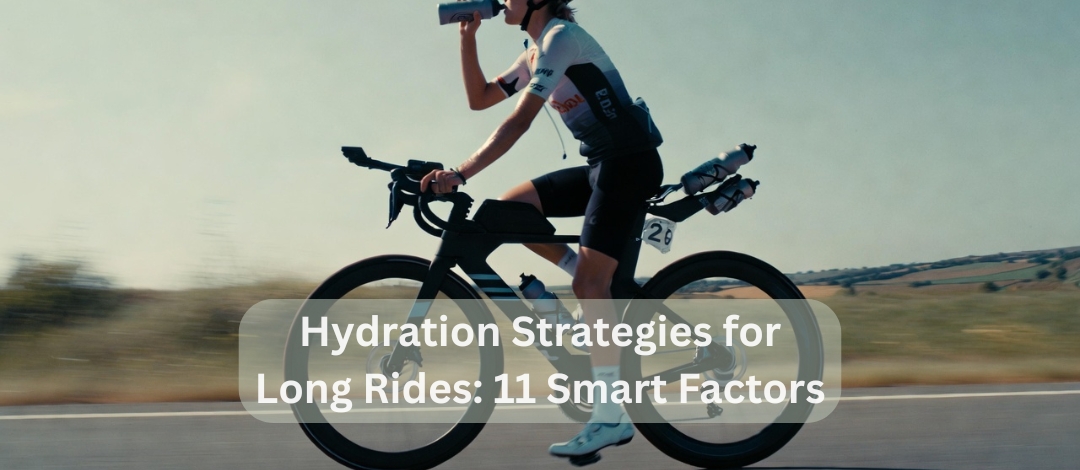
Long rides feel amazing until they suddenly do not. Fatigue creeps in, focus fades, and your legs stop responding the way they should. In many cases, hydration is the quiet reason things start to fall apart.
Hydration Strategies for Long Rides are not just about drinking when you feel dry. During extended cycling, your body loses fluid steadily through sweat and breathing. Even mild dehydration can lower endurance, slow reaction time, and make recovery harder once the ride ends. A planned approach helps you stay strong rather than react too late.
In this guide, you will learn how fluid loss works, how much to drink, what to drink, and how to build a hydration plan that actually fits your riding style.
Hydration Strategies for Long Rides: 11 Smart Factors
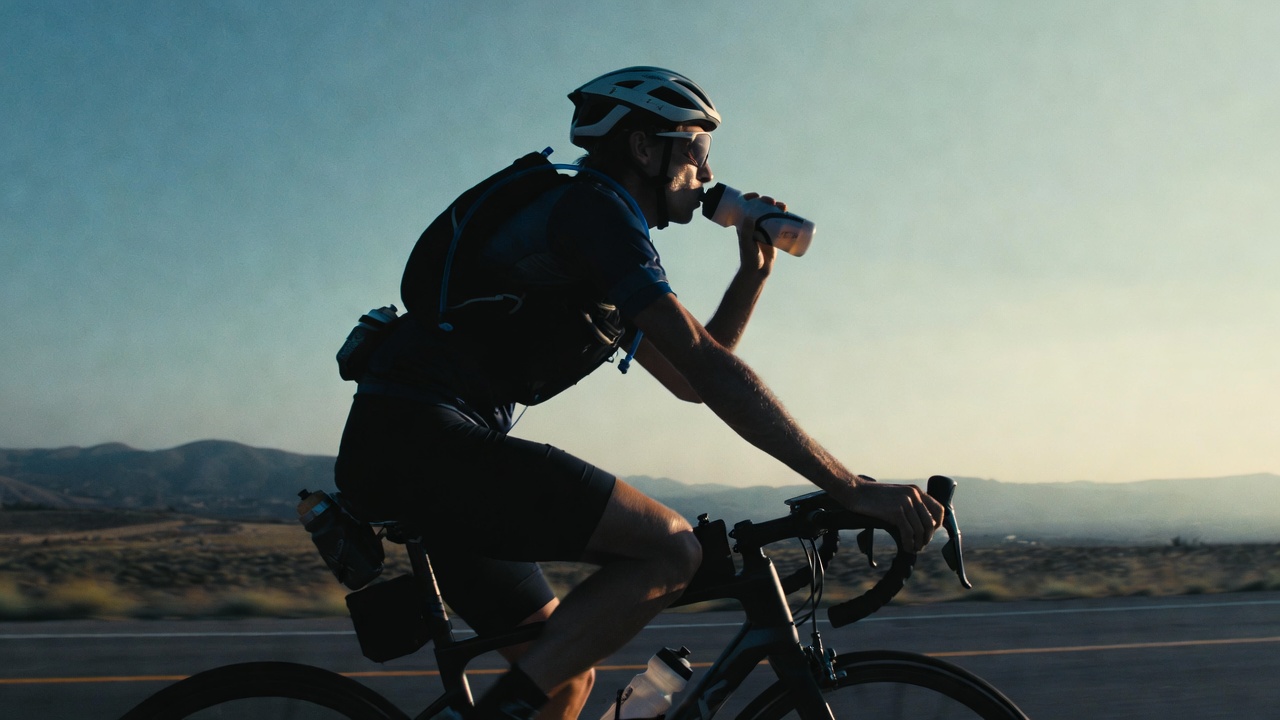
Fluid loss increases the longer and harder you ride. Sweat rate rises as your body works to cool itself, and that loss adds up faster than most riders expect.
Several factors affect how much fluid you lose on a ride:
- Ride length and total time on the bike
- Weather conditions, especially heat and wind
- Rider body size, since larger riders often sweat more
- Riding pace, with harder efforts increasing sweat rate
Early signs of dehydration can show up before you feel thirsty. These include dry mouth, darker urine, lightheadedness, reduced focus, and a noticeable drop in power or motivation. Catching these signs early makes a big difference.
Pre-Ride Hydration Strategy
Hydration should start well before your wheels hit the road. Starting a ride already dehydrated puts you behind from the first mile.
A solid pre-ride approach helps your body reach a balanced fluid level:
- Drink 16 to 20 ounces of fluid in the two hours before riding
- Take small sips instead of chugging right before the start
- Finish most fluids at least 30 minutes before you roll out
Some drinks can work against you before a long ride. Alcohol and very sugary beverages can increase fluid loss or cause stomach discomfort. Heavy caffeine right before riding may also lead to early dehydration for some riders.
Hydration Timing During Long Rides
How often you drink matters just as much as how much. Long gaps without fluid make it harder for your body to catch up.
Small, frequent sips are easier to absorb than large amounts all at once. Many riders do best with a few mouthfuls every 10 to 15 minutes. Time-based reminders can help, especially on steady efforts where thirst signals lag behind need.
Hydration timing should adjust based on conditions:
- Heat increases sweat rate and fluid needs
- Humidity slows cooling and increases losses
- Elevation can increase breathing-related fluid loss
Being flexible keeps hydration steady without overloading your stomach.
Water vs. Electrolyte Drinks
Plain water works well for shorter or longer rides or cooler conditions. Once rides extend beyond a couple of hours, electrolytes start to matter more.
Electrolytes help your body absorb and use fluid properly:
- Sodium supports fluid balance and nerve signals
- Potassium helps muscle function
- Magnesium supports muscle relaxation and energy use
Relying only on water for very long rides can dilute electrolyte levels. This may lead to cramping, nausea, or reduced performance. A simple mix works best by alternating water and electrolyte drinks or using a lightly mixed bottle alongside plain water.
How Much to Drink Per Hour
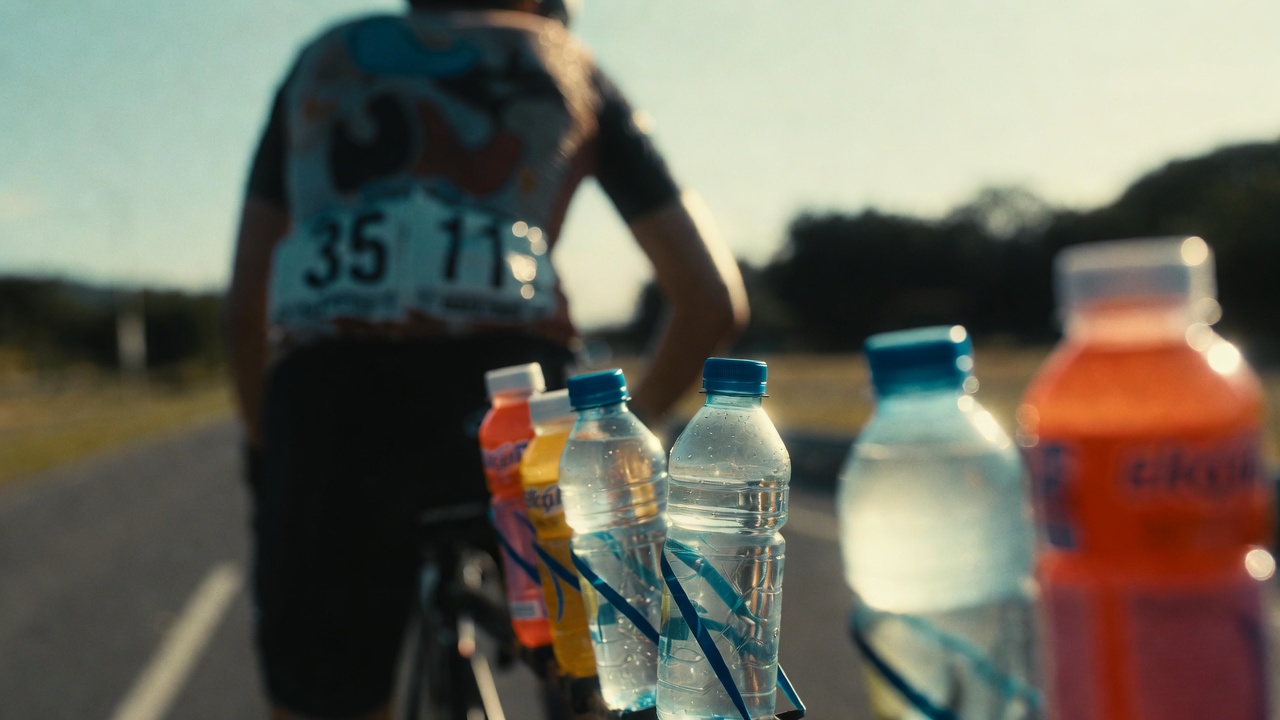
There is no single number that fits every rider. General guidelines help, but personal adjustment is key.
Most cyclists need 16 to 28 ounces per hour during long rides. The right amount depends on several factors:
- Sweat rate, which varies widely between riders
- Ride duration, with longer rides requiring steadier intake
- Environmental conditions, especially heat and wind
Drinking too much can be just as harmful as drinking too little. Overhydration can cause bloating and dilute electrolytes. Thirst is useful, but it works best when paired with a plan you have tested before.
Hydration Tools and Carrying Options
Your hydration strategy only works if drinking is easy while riding. Access matters more than most riders realize.
Common hydration tools each have strengths:
- Bottles are simple, lightweight, and easy to refill
- Hydration packs carry more fluid and allow frequent sipping
- Frame and saddle mounts increase total capacity
Planning refill points is just as important on long routes. Know where you can stop, refill, or resupply so you are not forced to ration fluids late in the ride.
Hydration Strategies for Hot and Cold Conditions
Temperature changes how your body handles fluids. Hot weather increases sweat loss even when effort feels steady.
In hot conditions:
- Increase fluid intake earlier in the ride
- Use electrolytes more consistently
- Choose cooler drink temperatures when possible
Cold weather brings different challenges. Thirst often drops, but fluid loss still happens through breathing and sweat under layers. Warm or room-temperature drinks can improve comfort and make drinking easier in cold conditions.
Common Hydration Mistakes on Long Rides
Many hydration problems come from simple habits that are easy to fix. Awareness helps you avoid them. Common mistakes include:
- Waiting until you feel thirsty
- Using only water on very long rides
- Drinking large amounts at once
- Ignoring weather-based needs
Small adjustments early in the ride prevent bigger problems later.
Post-Ride Rehydration and Recovery
Hydration does not stop when the ride ends. Recovery depends on replacing what you lost.
Check hydration status after riding by assessing urine color, thirst level, and overall feeling. Light-colored urine and steady energy are good signs.
Post-ride fluids should include:
- Water to restore fluid balance
- Electrolytes to replace losses
- Light carbohydrates to support recovery
Aim to rehydrate steadily within the first two hours after finishing for the best results.
Creating a Personalized Hydration Plan for Long Rides
The best hydration strategy is the one you know works for you. Testing during training rides builds confidence.
Steps to personalize your plan include:
- Tracking sweat rate by weighing before and after rides
- Testing different drink mixes and timing
- Adjusting based on comfort and performance
Consistency matters more than perfection. A simple, repeatable plan helps you ride longer with fewer surprises.
Conclusion
Strong hydration habits turn long rides into enjoyable, repeatable experiences. By understanding fluid loss, choosing the right drinks, and planning ahead, you protect your performance, focus, and recovery every time you ride.